
Plants
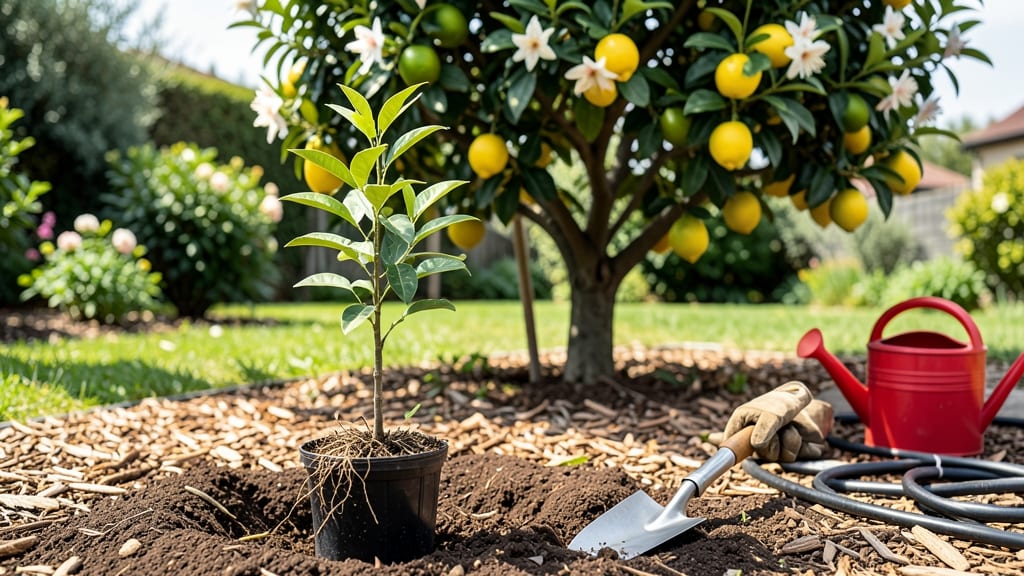
Planting your citrus tree at the wrong time in Arizona could mean the difference between a thriving 🍊 orchard and a sad, struggling sapling.
The key to success lies in understanding the optimal window—when soil temperatures cool, frost risks fade, and your tree can establish roots before summer’s brutal heat arrives.
Most Arizona gardeners know citrus loves the desert climate, but timing matters more than you think. Planting between November and February gives your tree the best shot at survival, especially in USDA Zone 9b, where winter chill can still sneak in.
This isn’t just about avoiding frost—it’s about giving your citrus the perfect start before the monsoon season ends and temperatures soar.
If you’ve ever wondered why some citrus trees flourish while others struggle, the answer often comes down to root establishment during those critical winter months.
I’ll break down exactly what you need to know—from soil prep to sun exposure—to ensure your citrus tree grows strong and productive for years to come.
Whether you’re planting in the low desert of Phoenix or the cooler transition zones near Prescott, the right timing and preparation make all the difference. Let’s get your citrus off to the best possible start.
Optimal planting months for citrus trees in Arizona’s climate zones
Arizona’s diverse climate zones—from the low desert’s intense heat to the high desert’s cooler winters—mean your citrus planting window depends heavily on location. In the low desert (Phoenix, Tucson), where temperatures rarely dip below freezing, you can plant citrus year-round, but November through February offers the best conditions.
This period avoids the brutal summer heat while allowing roots to establish before spring growth.
For transition zones (Prescott, Sedona), where frost risk increases, focus on October to March. These areas experience occasional 20s°F nights, so planting in late fall or early winter gives young trees a head start before potential cold snaps.
In the high desert (Flagstaff, Payson), only cold-hardy varieties like ‘Meyer Lemon’ or ‘Satsuma Mandarin’ should be planted in September to October, with heavy winter protection.
Soil temperature is just as critical as air temperature. Citrus roots thrive when soil stays above 60°F. In Arizona’s low desert, soil temps drop below this threshold in December and January, making these months ideal.
In cooler zones, wait until soil warms to 65°F+ in spring before transplanting. Use a soil thermometer to check—this small tool prevents costly mistakes.
Container planting offers flexibility for Arizona gardeners. Since pots warm up faster than ground soil, you can plant citrus in containers as late as April in cooler zones or even early summer in the low desert.
Just ensure your container has drainage holes and use a lightweight potting mix to prevent root rot. Move containers to shaded areas during 100°F+ days to protect roots.
Timing isn’t just about the calendar—it’s about weather patterns. In Arizona, the monsoon season (July-September) brings sudden downpours, which can drown citrus roots. Avoid planting during this period unless you have excellent drainage.
Instead, wait for the post-monsoon dry spell in late September or early October to reduce transplant shock.
Microclimates play a huge role in Arizona’s urban areas. A south-facing wall can create a 5-10°F warmer zone, extending your planting window by weeks. Conversely, shaded courtyards in Phoenix might mimic cooler transition zones.
Observe your yard’s microclimate for 2-3 weeks before planting to gauge temperature fluctuations and adjust your timeline accordingly.
Young citrus trees need 6-12 months to establish roots before facing Arizona’s summer heat. Planting in late winter (February) gives trees time to grow before the April heatwave, while fall planting (October-November) avoids the peak summer stress.
This strategy ensures your tree enters dormancy with a strong root system, ready to fruit the following year.
If you miss the ideal window, don’t panic. Citrus trees planted in March or April can still thrive with extra care: daily watering, afternoon shade cloth, and a root stimulator at transplanting. Just be prepared for slower initial growth and potential fruit reduction in the first year.
Protecting your tree from unexpected frost is non-negotiable in Arizona’s transition and high desert zones. Use frost blankets or row covers on nights below 30°F, and consider a small space heater for young trees in containers.
These precautions let you plant up to 2 weeks later in marginal zones without risking root damage.
Critical factors that determine the best planting time for citrus
Arizona’s climate isn’t just about avoiding frost—it’s about understanding soil moisture, humidity shifts, and pest activity to time your citrus planting perfectly. The monsoon season (July-September) leaves soil saturated, while winter months offer cooler temperatures and ideal moisture levels for root establishment.
Soil temperature is critical: citrus roots thrive when soil stays between 60°F and 75°F. In Arizona’s low desert (Phoenix), this happens naturally in November-February, while high desert areas (Flagstaff) may need to wait until March due to colder nights.
Humidity plays a surprising role—low humidity in winter reduces fungal risks, but high humidity in summer can smother young roots. Planting in dry winter months minimizes disease pressure while maximizing moisture retention in the soil.
🌱 Key Factors for Timing Citrus Planting
- 1. Soil Temperature: Ideal range 60°F-75°F for root growth (use a soil thermometer to check).
- 2. Frost Risk: Avoid planting before December 15 in most Arizona zones to prevent cold damage.
- 3. Pest Activity: Citrus psyllids peak in spring—plant in winter to avoid early infestations.
- 4. Microclimates: Urban areas (like Tucson) stay warmer than rural zones—adjust planting 2-4 weeks later if needed.
- 5. Monsoon Aftermath: Wait 4-6 weeks after monsoon season to let soil dry and stabilize.
Pest activity is another game-changer. Citrus psyllids and aphids thrive in spring, so planting in winter gives your tree a head start before pests become active. Even container-grown citrus benefits from this timing—pots dry out faster in summer, stressing young roots.
Microclimates within Arizona create localized planting windows. A south-facing wall in Phoenix can extend the growing season by 2-3 weeks compared to open fields. Use this to your advantage by planting container citrus slightly later in March if your microclimate stays warm.
Finally, consider container planting for flexibility. Containers warm up faster in spring, so you can plant 2-4 weeks earlier than in-ground trees. Just ensure pots have drainage holes and use well-draining citrus mix to prevent root rot.