
Plants
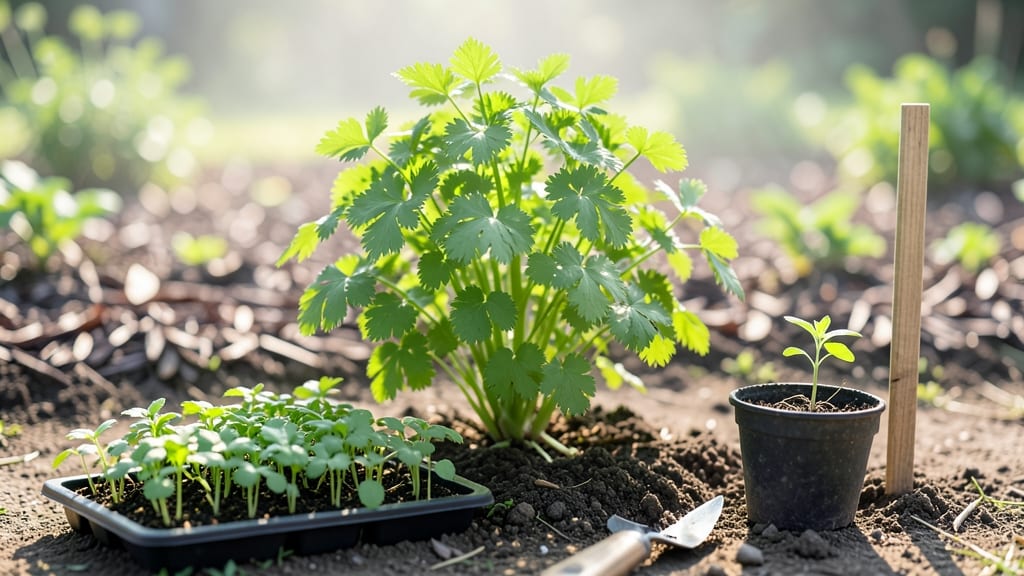
If you love fresh cilantro but dread the bitter disappointment of bolting plants, timing is everything in North Carolina's climate. Planting too early or too late can turn your herb garden into a sad, flowering memory instead of a flavorful harvest.
The secret to success lies in understanding when to put those seeds in the ground for the best results.
For North Carolina gardeners in zones 7a-8b, the ideal windows are early spring (March-April) and late summer (August-September). These periods give cilantro 🌿 the cool weather it craves while avoiding the heat that triggers bolting.
Skipping summer planting is the key—your cilantro will thank you with tender, flavorful leaves instead of bitter stems.
But here's the twist: even perfect timing can backfire if you don't account for NC's unpredictable weather. We'll cover how to stretch your growing season, avoid common mistakes, and keep your cilantro thriving from May-June harvests in spring to October-November bounty in fall.
Let's make sure your garden stays green and delicious all season.
Ready to grow cilantro that actually stays cilantro? I'll walk you through the exact timing, tricks, and troubleshooting tips so you can enjoy fresh herbs straight from your NC garden. No more wasted seeds or disappointing bolting—just a steady supply of flavor!
Best planting windows for cilantro in NC to avoid bolting
North Carolina’s USDA zones 7a-8b create unique challenges for growing cilantro, but timing your plantings correctly can prevent the dreaded bolting that ruins harvests. The key is planting when soil temperatures stay below 75°F—any hotter, and your cilantro will quickly send up flowers instead of tender leaves.
For most of NC, the ideal planting window is early spring (March-April) and late summer to early fall (August-September). This timing aligns with cooler temperatures and longer daylight periods that cilantro thrives in, while avoiding the summer heat that triggers bolting.
Here’s how to break it down by season: Spring plantings should happen 4-6 weeks before your last frost date—typically mid-April in most of NC. Fall plantings work best 8-10 weeks before your first frost (mid-October), giving your cilantro time to mature before cold sets in.
Microclimates in NC can extend these windows slightly. For example, mountain regions (zone 7a) can plant cilantro as early as February, while coastal areas (zone 8b) might push fall plantings into early October. Always check your local frost dates to fine-tune timing.
| Planting Window | Soil Temp | NC Region | Harvest Time |
|---|---|---|---|
| Early Spring (March-April) | 50-65°F | Statewide | May-June |
| Late Summer (August-Sept) | 60-70°F | Statewide | Oct-Nov |
| Mountain Zones (Feb-Mar) | 45-55°F | Zone 7a (Asheville) | April-May |
| Coastal Zones (Sept-Oct) | 65-75°F | Zone 8b (Wilmington) | Nov-Dec |
If you’re eager for fresh cilantro year-round, consider succession planting every 2-3 weeks during your ideal windows. This staggered approach ensures a continuous harvest while preventing overcrowding, which also triggers bolting. For example, plant one batch in early March, another in late March, and one more in early April.
Another pro tip: Use shade cloth (30-50%) during peak summer months to protect existing plants. Even a few hours of afternoon shade can keep soil temperatures cooler and delay bolting. Pair this with drip irrigation to maintain consistent moisture—cilantro hates drying out, which stresses plants and encourages bolting.
For gardeners in hotter inland areas like Raleigh or Greensboro, focus exclusively on fall plantings. The cooler temperatures of September-October create perfect conditions, and you’ll avoid the summer heat entirely. Just be sure to harvest before the first frost hits mid-October.
Remember, cilantro is a cool-season crop, meaning it thrives when days are shorter and nights are cooler. This is why spring and fall work so well in NC—your cilantro gets the 12-14 hours of daylight it prefers without overheating. Summer’s long days and high temps are its kryptonite.
Start seeds indoors 3-4 weeks before your outdoor planting date to give them a head start. This is especially helpful for fall plantings, as summer heat can slow germination. Use seed-starting trays with a heat mat to maintain consistent soil temps around 60°F for best results.
Best planting windows for cilantro in NC to avoid bolting
North Carolina’s USDA zones 7a-8b create a tricky balance for growing cilantro—too early, and frost threatens tender seedlings; too late, and summer heat sends your plants bolting.
The ideal planting windows are early spring (March-April) and late summer to early fall (August-September), when temperatures stay mild enough to prevent premature flowering.
In spring, aim to plant cilantro 4-6 weeks before your last frost date (typically mid-April in most of NC). This gives seedlings time to establish roots before warm weather arrives.
For fall planting, seed cilantro 8-10 weeks before your first frost (around mid-October) to ensure a full harvest before cold sets in.
🌱 Cilantro Planting Timeline for NC
| Season | Planting Window | Key Considerations | Average Soil Temp |
|---|---|---|---|
| Spring | March–April | Plant after last frost; use shade cloth if temps rise above 75°F | 50–65°F |
| Fall | August–September | Avoid planting too close to summer heat; harvest before first frost | 60–70°F |
| Summer | Not Recommended | High heat (>80°F) causes rapid bolting; use shade cloth if attempting | 75–90°F |
For gardeners in cooler mountain regions (e.g., Asheville), you can push spring planting slightly earlier (as early as February) or extend fall harvests into November. Meanwhile, in warmer coastal areas (e.g., Wilmington), focus strictly on spring and fall windows—summer planting is nearly impossible without shade.
Pro tip: Use succession planting every 2 weeks during your ideal windows to ensure a continuous supply. For example, sow a new batch in early April, then again in mid-April and late April for staggered harvests through June. Repeat this strategy in August and September for fall crops.
Always monitor soil temperatures—cilantro thrives when soil stays between 50–70°F. If your thermometer reads higher, delay planting or use shade cloth (30–50%) to protect seedlings from stress. With the right timing, you’ll enjoy fresh cilantro for salsas, soups, and salads without the bitterness or bolting headaches.
🌿