
Plants
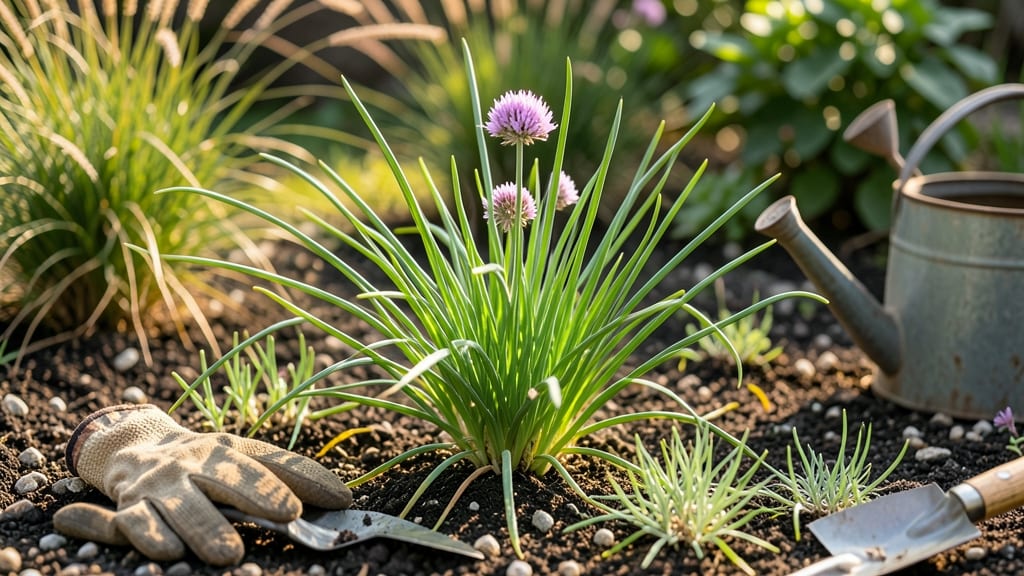
Timing your chives planting in Texas right means the difference between a thriving herb garden and a sad, wilted disappointment—especially when summer heat can turn your greens into crispy snacks. If you’ve ever watched your chives bolt or struggle under the Texas sun, you’re not alone.
Here’s the secret: fall and spring are your golden windows for planting 🌿 chives in 8a-10b zones, but the exact timing depends on whether you’re in North Texas or near the Gulf Coast.
Plant too early, and the heat will fry your seedlings; too late, and you’ll miss the sweet spot for harvests that last well into winter.
I’ll walk you through the precise months to plant, how to prep your soil for Texas’ tricky climate, and even how to trick the system for year-round harvests—so you’re always snipping fresh chives for your favorite dishes. Let’s get your garden set up for success.
Whether you’re a seasoned Texan gardener or just starting, these tips will help you avoid the common pitfalls and keep your chives growing strong, no matter what the weather throws at you. Ready to turn your herb game into a year-round victory?
Best planting times for chives in Texas zones (and how to extend the season)
Texas gardeners face a unique challenge with chives—these cool-season herbs thrive when temperatures dip below 80°F, but our state’s brutal summers can turn your crop into crispy kindling.
The key? Timing your plantings to align with Texas’ USDA zones 7a-10b, where frost dates vary wildly from North to South. I’ve grown chives in Zone 8b for years, and I’ll share exactly when to plant for maximum success.
For most of Texas, the ideal planting windows are early fall (September-October) and late winter (February-March). These periods give chives enough time to establish roots before summer’s heat or winter’s chill sets in.
In North Texas (Zones 7a-8a), you can even squeeze in a spring planting by January to beat the first frost.
Here’s the critical rule: Always plant chives when soil temperatures stay below 75°F. Use a soil thermometer to check—if it’s hotter, wait. In South Texas (Zones 9b-10b), where winters are mild, you can plant year-round in containers and move them to shade during summer heatwaves.
🌱 Texas Chives Planting Guide by Zone
| Zone | Best Planting Months | Soil Temp Goal | Frost Risk | Pro Tip |
|---|---|---|---|---|
| 7a-8a (North) | September-October February-March |
Below 70°F | High (Dec-Jan) | Use row covers for winter protection |
| 8b-9a (Central) | September-November January-February |
Below 75°F | Moderate (Jan) | Partial shade helps in summer |
| 9b-10b (South) | Year-round (containers) September-October (ground) |
Below 80°F | Low (rare frost) | Move pots to shade in summer |
If you’re planting from seed, start indoors 6-8 weeks before your target outdoor date. Chives germinate best at 60-70°F, so avoid sowing directly in hot Texas soil. For transplants, choose established plants from nurseries—this saves time and gives you a head start on growth.
One of my biggest mistakes was planting chives in early spring (April) in North Texas. The heat arrived faster than expected, and my plants bolted before I could harvest. Now, I stick to September 1st as my cutoff for fall plantings—it’s the sweet spot before soil cools too much.
For container growing, which works well in hotter zones, use 5-6 inch pots and place them in partial shade (4-6 hours of sun) during summer. I’ve had success with self-watering pots to prevent drought stress. Just remember: containers dry out faster in Texas heat, so check soil moisture daily.
To extend your harvest season, try succession planting. In North Texas, I plant a second batch in December for a spring harvest. In South Texas, I keep containers on a shaded patio year-round and harvest lightly to encourage regrowth.
The secret? Consistent moisture and protection from extreme temps.
If you’re in Zone 10b, where winters are mild, you can grow chives year-round outdoors with minimal care. Just mulch heavily in summer to keep roots cool and water deeply every 3-4 days. I’ve seen chives thrive in Houston’s climate with this approach!
Pro tip: Mark your planting dates on a garden calendar. Texas’ unpredictable weather means you need to stay ahead of heat waves or early frosts. I use colored flags in my garden to track chive beds—it’s saved me more than once from missed harvests.
Texas-specific chives growing tips: soil, sun, and survival strategies
Texas’s intense heat and variable rainfall demand smart adjustments to grow thriving chives. Start with well-draining soil—mix compost or sand into native clay to prevent root rot, especially in Central Texas where summers scorch. Aim for a pH of 6.0–7.0, which chives adore for nutrient uptake.
For sunlight, chives crave 6+ hours of full sun, but in Zone 9b–10a, provide afternoon shade during peak summer (June–August) to avoid wilting. A 50% shade cloth works wonders for container-grown chives on patios.
Watering is critical—deep watering 2–3 times per week in summer, but reduce to weekly in cooler months. Use drip irrigation to keep leaves dry, preventing fungal diseases like rust, which thrives in Texas’s humid summers.
⚠️ Watch for These Texas-Specific Threats
- Aphids: Cluster on new growth; blast off with soapy water.
- Spider mites: Reduce humidity with morning watering.
- Heat stress: Yellowing leaves? Move pots to shade immediately.
Texas’s pests and heat can devastate chives if ignored. Act fast!
Mulch with straw or pine needles to retain moisture and regulate soil temps. In North Texas (Zones 7a–8a), add a light frost blanket in winter to protect tender roots from 20°F dips.
Feed chives lightly in spring and fall—use a 5-10-10 fertilizer every 6–8 weeks—but skip summer feeding to avoid scorching roots. Container chives need monthly fertilizer due to limited soil volume.
With these Texas-specific tweaks, your chives will thrive year-round, even through the 100°F summers. Start small, observe their needs, and adjust as the seasons shift—your kitchen will thank you! 🌱