
Plants
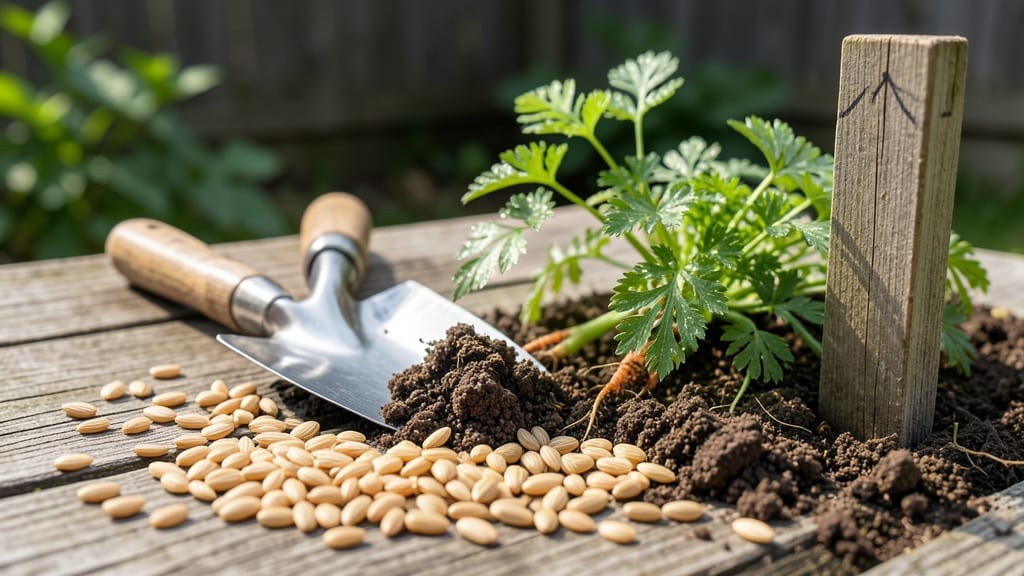
If you're growing 🥕 carrots in Zone 5b, when to plant them isn’t just important—it's the difference between crisp, sweet roots and bitter, forked disappointments. Plant too early, and frost will stunt your seedlings; too late, and summer heat turns them woody.
The secret lies in understanding your microclimate and adjusting for soil conditions, not just calendar dates.
Most gardeners in the Northern Midwest, Upstate New York, or Vermont reach for their carrot seeds around March, but that's only half the story. Soil temperature matters more than the date on your calendar—wait until the ground warms to at least 50°F before planting.
This usually lands you in early April, but a 2-3 week window before your last frost date (around April 15) gives you flexibility for both early and late varieties.
Here's the game-changer: Zone 5b gardeners can actually squeeze in two harvests per year. The first planting in early spring gives you summer carrots, while a late summer planting (around August) lets you enjoy fall harvests before frost sets in.
The key is choosing the right varieties—some handle heat better than others, and bolt resistance makes all the difference in your growing season.
I'll walk you through exactly when to plant, how to adjust for your specific microclimate, and which varieties will give you the straightest, sweetest carrots—no matter what Mother Nature throws your way. Let's get those seeds in the ground at the perfect moment.
Optimal carrot planting dates in Zone 5b with frost-free calculations
In Zone 5b, timing your carrot planting right means the difference between crisp, sweet roots and woody, bitter failures. The last spring frost typically hits around April 15, but soil temperature matters more than calendar dates.
Carrots need soil temps of 50°F+ to germinate reliably, so don’t rush—wait for mid-April in most areas. Planting too early risks frost damage or slow germination, while late starts may lead to bolt-resistant varieties struggling in summer heat.
For Zone 5b gardeners, the ideal planting window spans from late March to early May, with April 1–15 being the golden period. This schedule accounts for 60–80 day varieties to mature before first frost (October 15).
Early varieties like ‘Paris Market’ can be planted as soon as soil is workable (late March), while longer-season types like ‘Danvers Half Long’ need the April window to avoid summer stress.
🌱
📅 Zone 5b Carrot Planting Timeline
| Planting Window | Soil Temp Requirement | Variety Recommendation | Success Rate |
|---|---|---|---|
| Late March | 45°F+ (with row cover) | ‘Paris Market’, ‘Early Nantes’ | 70% (high risk of frost) |
| April 1–15 | 50°F+ (ideal germination) | ‘Danvers Half Long’, ‘Rainbow Mix’ | 90% (optimal conditions) |
| April 16–30 | 55°F+ (warmer soil) | ‘Nantes’, ‘Purple Haze’ | 85% (moderate risk of bolting) |
| May 1–15 | 60°F+ (late start) | ‘Chantenay’, ‘Bolero’ (bolt-resistant) | 75% (high summer heat risk) |
| Late Summer (Aug 1–15) | 65°F+ (for fall harvest) | ‘Early Nantes’, ‘Paris Market’ | 80% (cool fall temps ideal) |
💡 Pro Tip: Use a soil thermometer to confirm temps—carrots won’t germinate below 50°F.
Summer heat in Zone 5b can turn carrots woody and bitter, so avoid planting after mid-May unless you’re growing bolt-resistant varieties like ‘Bolero’. For a fall harvest, plant 8–10 weeks before first frost (around August 1), focusing on short-day varieties that mature quickly in cooler temps.
Succession planting is key to continuous harvests. Sow seeds every 2–3 weeks from April to July, thinning seedlings to 2–3 inches apart for straight roots. This staggered approach ensures you’re always pulling fresh, crisp carrots from June through October, avoiding the summer slump when heat stresses plants.
Don’t overlook soil preparation—carrots need loose, stone-free soil to grow straight. Work in compost before planting and avoid fresh manure, which can cause forking. A light mulch (straw or shredded leaves) helps retain moisture and suppress weeds, critical for Zone 5b’s variable rainfall.
🌿
If you’re new to carrot growing, start with ‘Danvers Half Long’—it’s forgiving, straight-growing, and thrives in Zone 5b’s climate. For bold colors, try ‘Purple Haze’, which adds visual interest to your harvest.
Always water deeply in the morning to prevent bolt-resistant issues and drought stress, which are common pitfalls in Zone 5b’s dry spells.
🥕
Microclimate adjustments: extending carrot growing seasons in Zone 5b
Zone 5b’s short growing season doesn’t mean you’re limited to just one carrot harvest. With the right microclimate adjustments, you can coax carrots to grow in early spring or late fall, extending your harvest by months.
The key? Row covers, cold frames, and shade cloth—each with its own trade-offs for risk and reward.
For early spring plantings (as early as March), focus on protecting seedlings from late frosts. A lightweight row cover (like Agribon) can raise soil temps by 5–10°F, allowing seeds to germinate in 40–45°F soil.
Without protection, cold soil delays germination, leaving carrots vulnerable to pests or frost damage.
🌱 Extending Carrot Seasons: Pros & Cons
- Pro: Harvest 2–3 weeks earlier than traditional spring plantings
- Pro: Avoids crowded summer harvests
- Con: Slow germination in cold soil
- Con: Pest risk (carrot rust flies emerge early)
- Pro: Cooler temps prevent woody roots
- Pro: Fewer weeds in fall gardens
- Con: Short daylight slows growth
- Con: Frost risk if planted too late
- Pro: Extends season by 4–6 weeks each side
- Pro: Reduces watering needs (traps moisture)
- Con: High maintenance (ventilation needed)
- Con: Expensive setup ($50–$150)
- Pro: Prevents bolting in heat
- Pro: Reduces water loss by 30%
- Con: Limits sunlight (may slow growth)
- Con: Hard to install for large beds
If you’re planting in late fall (aim for September 1–15), prioritize fast-maturing varieties like ‘Paris Market’ (50 days) or ‘Early Nantes’ (60 days). Use straw mulch (4–6 inches) to insulate roots from early frosts—this can add 2–3 weeks to your harvest window.
Just avoid planting after October 1, or roots may not mature before frost.
For summer heat protection, a 30–50% shade cloth can save your carrots from bolting (going to seed). Install it when daytime temps hit 85°F+, and remove it by late afternoon to maintain photosynthesis.
Pair this with drip irrigation to keep soil consistently moist—drought stress is the #1 cause of bitter, woody carrots in Zone 5b’s hot spells.
Pro tip: Test your soil’s frost tolerance before committing. Bury a thermometer at planting depth (1 inch) and monitor temps. If soil stays above 40°F for 5+ days, your carrots are safe to sprout. If not, wait another week or use a mini greenhouse for seedlings.
Remember, extending seasons requires trade-offs. Early plantings mean more pests; late plantings mean shorter daylight. But with the right adjustments, you can enjoy fresh carrots from March to November—no grocery store needed! 🥕