
Plants
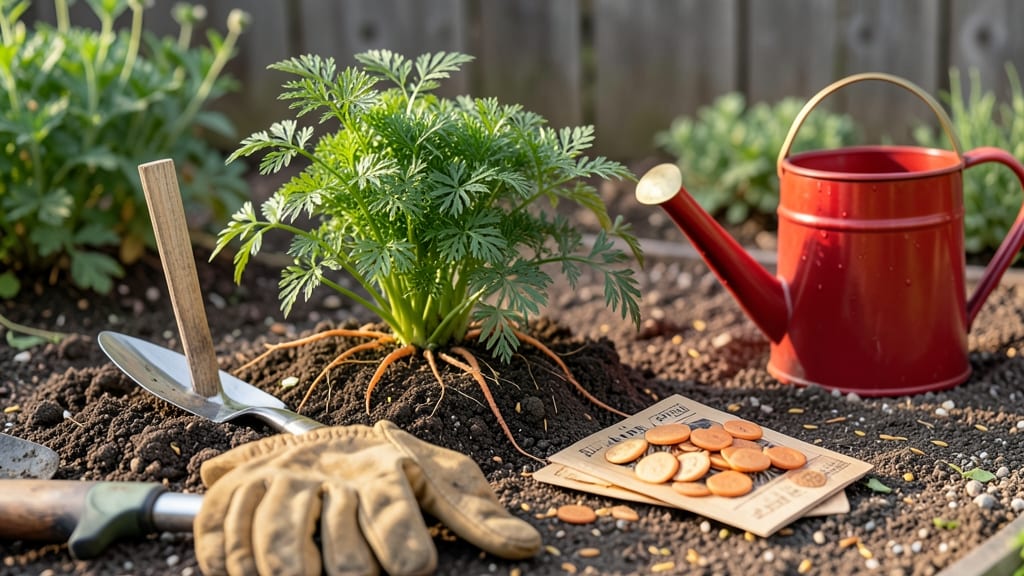
Timing your 🥕 carrot planting in Idaho isn’t just about the calendar—it’s about dodging 5b-7b zone quirks that can turn your garden dreams into bitter disappointment. Too early, and frost zaps your seedlings; too late, and bolting steals your harvest before you even taste that sweet, crisp reward.
I’ve learned the hard way that Idaho’s unpredictable swings—cool mountain air, scorching valley heat—demand precise planting windows. The two best shots are early spring (March 15) and mid-summer (July 1), but even those dates shift depending on whether you’re in Boise’s low desert or Coeur d’Alene’s higher elevations.
Here’s the game-changer: soil temperature matters more than the date on your calendar. Wait until the ground warms to 50°F before sowing those seeds, and you’ll avoid the woody, forked roots that plague impatient gardeners.
Ready to master Idaho’s carrot-growing secrets? I’ll walk you through the exact dates, soil prep tricks, and variety picks that’ll have you pulling crisp, bolt-free harvests from May through October—no guesswork required.
Idaho carrot planting calendar: exact dates by region to avoid frost and bolt risk
Idaho’s diverse microclimates mean Boise’s last frost arrives weeks earlier than Coeur d’Alene’s, so planting dates vary wildly across the state. To avoid frost damage or bolting from heat stress, use these region-specific windows for your carrot harvest.
For low-elevation valleys like Boise and Twin Falls, aim for early spring plantings between March 15 and April 15. Higher elevations (e.g., Sandpoint or McCall) should wait until April 30 to May 15 when soil warms to 50°F+.
Visual Guide: Use this comparison table to pinpoint your planting window based on Idaho’s USDA zones 5b-7b and microclimate.
| Region | USDA Zone | Last Frost | Spring Planting Window | Fall Planting Window |
|---|---|---|---|---|
| Boise Valley | 6b-7a | April 1 | March 15-April 15 | August 15-September 15 |
| Coeur d’Alene | 5b-6a | May 15 | April 30-May 15 | July 30-August 30 |
| Twin Falls | 6a-7a | April 10 | March 20-April 20 | August 1-September 10 |
| Northern Idaho (Sandpoint) | 5a-5b | May 20 | May 1-May 20 | July 15-August 15 |
For a continuous harvest, try succession planting every 2-3 weeks after your first window. For example, in Boise, plant March 15, April 1, and April 15 for staggered maturity.
Fall plantings work in Idaho’s cooler valleys like Boise but risk early frost in high desert areas. Start late summer (August) for a 60-day harvest before first frost.
Pro tip: Use row covers to extend your season by 2-3 weeks in spring or fall. They protect against late frosts and heat stress.
Always check your local frost dates—Idaho’s mountain valleys can have microclimates where frost lingers weeks longer than nearby towns. Planting too early risks frost-killed seedlings, while planting too late leads to bolting.
For high-altitude gardens (above 5,000 ft), opt for shorter-season varieties like ‘Paris Market’ (58 days) to avoid early autumn chills. Longer varieties (e.g., ‘Danvers’) need 80+ days and work best in low-elevation valleys.
Monitor soil temperatures—carrots need 50°F+ soil to germinate. Use a soil thermometer to confirm readiness, especially in cool spring months.
How to adjust carrot planting dates for Idaho’s unpredictable weather patterns
Idaho’s unpredictable frost dates and temperature swings can derail even the best-laid carrot planting plans. But with a few smart adjustments, you can extend your growing season and avoid bolting—the worst carrot enemy. The key? Monitor soil temperatures and use season-extending tools like row covers and cold frames.
Start by checking your local last frost date. In Boise (Zone 6b), aim for March 15–April 15, while Coeur d’Alene (Zone 6a) gardeners should wait until April 15–May 1 to avoid frost damage.
For a second planting, sow seeds July 15–August 15 to harvest before first frost in October.
Even after your official last frost date, late frosts can still hit. Use frost blankets or row covers for 2–3 weeks post-planting to protect tender seedlings. In high desert areas like Twin Falls, wait until soil temps reach 50°F—cold soil delays germination.
For bolt-resistant varieties, choose ‘Danvers Half Long’ or ‘Nantes’, which tolerate heat and drought better than standard types. If your summer heats up fast, plant in partial shade or use drip irrigation to keep soil consistently moist.
Avoid overwatering, though—waterlogged soil causes forked roots and rot.
Use succession planting every 2 weeks in spring and fall to ensure a steady harvest. For example, plant March 1, March 15, April 1 for a staggered crop.
In late summer, sow seeds August 1 and August 15 to harvest before first frost. This strategy works even in shorter-season zones like Zone 5b.
Keep an eye on weather forecasts and adjust your schedule. If a heatwave is predicted, mulch heavily to retain moisture and prevent bolting. For early spring plantings, use black plastic mulch to warm the soil faster.
In fall, clear mulch allows sunlight to penetrate while protecting roots from early chills.
Finally, harvest before bolting—look for yellowing leaves or flower stalks as signs. In Idaho’s short growing season, prioritize quick-maturing varieties (like ‘Paris Market’) for reliable harvests. With these adjustments, you’ll beat Idaho’s weather and enjoy crisp, sweet carrots all season long. 🥕