
Plants
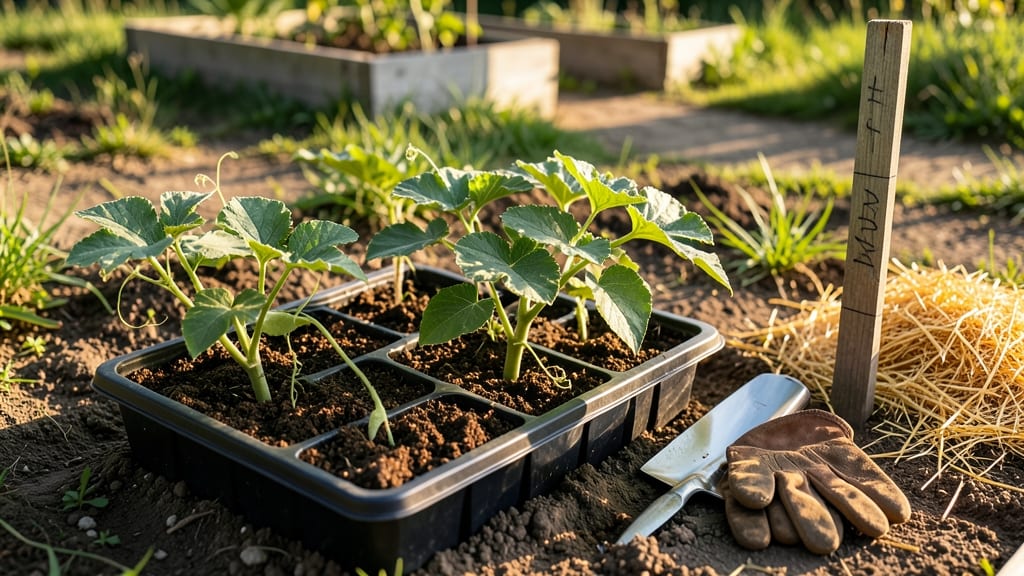
Planting cantaloupe seeds in Texas isn’t just about throwing them in the dirt and hoping for the best—it’s a delicate dance with the heat and frost-free windows that can make or break your harvest.
One wrong move, and you’ll either lose tender seedlings to late frosts or watch your vines wilt under scorching summer sun before they even fruit.
If you’ve ever stared at your calendar in March wondering, "Is it finally safe to plant my 🍈 seeds?"—this is your answer.
Texas’s three distinct zones (North, Central, and South) each have their own sweet spot for planting, and missing it means risking everything from stunted growth to bitter fruit. The key?
Timing your seeds to hit 70°F soil after the last frost, whether that’s mid-March in North Texas or January in the Rio Grande Valley.
What I’m about to share isn’t just theory—it’s a battle-tested 3-zone planting timeline that’s helped Texas gardeners (including me!) avoid the most common pitfalls.
We’ll cover everything from pre-sprouting tricks for cooler regions to heat acclimation hacks for South Texas, so your cantaloupes go from seed to sweet, vine-ripened perfection without a single casualty.
Ready to stop guessing and start growing? Let’s dive into the exact dates, soil temps, and regional tweaks that’ll turn your Texas garden into a cantaloupe goldmine—no frostbite or heatstroke required.
Texas planting zones & frost-free dates for cantaloupe success
Texas’ diverse climate zones mean your cantaloupe planting window varies dramatically from the Panhandle to South Texas. In North Texas (Zones 7b-8a), late frosts can linger until March 15, while South Texas (Zones 9a-10a) sees frost-free conditions by January 1.
The key to success? Planting when soil temperatures hit 70°F+ and after your region’s last frost date.
Cantaloupes are heat-loving annuals that thrive in Texas’ summer but need warm soil to germinate. If you plant too early, seeds rot in cold soil; too late, and you’ll miss the 90-day harvest window before fall rains arrive.
Let’s break down the 3 critical zones and their ideal planting windows.
🌱 Texas Planting Zones Comparison
For North Texas gardeners, I recommend starting seeds indoors by March 1 in biodegradable pots. Transplant seedlings outdoors only after May 15 when nighttime temps stay above 55°F.
In Central Texas, you can direct-sow seeds in mid-March if soil is warm enough, but cover them with row fabric for frost protection until April.
South Texas offers the longest growing season, but heat can be brutal. Plant cantaloupe seeds in February for a summer harvest, but provide 30% shade cloth during the hottest months (June-August) to protect young plants.
The ‘Athena’ variety is my top pick for South Texas—it tolerates 95°F+ temps better than most cantaloupes.
Pro tip: Use a soil thermometer to confirm temperatures. Cantaloupe seeds won’t germinate below 60°F, and growth stalls under 70°F. If your soil is too cold, black plastic mulch can raise temperatures by 10-15°F in just days.
This is especially critical in North and Central Texas where early planting attempts often fail.
Remember, cantaloupes need 90-100 days to maturity. If you plant in May, you’ll likely miss the harvest window before fall rains arrive. For a fall crop, try late July sowings in South Texas, but this is risky due to pest pressure from squash bugs and cucumber beetles.
🌡️ Key Takeaway: Plant cantaloupe seeds when your region’s last frost date is 3 months behind your first expected 90°F+ heatwave. In Texas, that means March-April for North, February-March for Central, and January-February for South.
Step-by-step cantaloupe planting timeline by Texas region
Texas’ three distinct climates mean your cantaloupe planting strategy should vary from North to South. In North Texas (Zones 7b-8a), like Dallas or Fort Worth, you’ll need to wait until after the mid-April last frost—typically around April 15-30.
Meanwhile, Central Texas (Zones 8a-8b), including Austin and San Antonio, can start as early as March 15, while South Texas (Zones 9a-10a) enjoys a year-round growing season with minimal frost risk.
For all regions, soil temperature is the real game-changer. Cantaloupe seeds won’t sprout until soil reaches 70°F+. Use a soil thermometer to confirm—if it’s cooler, wait or use black plastic mulch to warm the soil faster.
In North Texas, this often means delaying planting until mid-May unless you’re using row covers or greenhouses.
📅 Step-by-Step Planting Timeline
- North Texas (Zones 7b-8a): April 15-30 – Direct sow seeds after last frost. Pre-sprout indoors in biodegradable pots 3-4 weeks before last frost for a head start.
- Central Texas (Zones 8a-8b): March 15-April 15 – Sow directly or transplant seedlings. Use shade cloth if early planting risks heat stress.
- South Texas (Zones 9a-10a): February-March or August-September – Plant twice for fall/winter harvests. Succession plant every 2 weeks for continuous yields.
- All Regions: Late July – Sow a second crop for fall harvests (if your area has mild winters). Stop by September 1 to avoid frost-sensitive vines.
Once your seeds hit 70°F+ soil, plant them 1 inch deep in hills of 3-4 seeds, spaced 3-4 feet apart. Thin to the strongest seedling per hill once sprouts reach 3 inches tall.
In North Texas, this might mean waiting until June 1 for direct sowing if early attempts fail due to cool soil.
After germination, focus on consistent moisture—cantaloupes need 1-2 inches of water weekly, but avoid overhead watering to prevent powdery mildew. In Central Texas, this means daily watering during July-August when temps soar. Mulch with straw or grass clippings to retain moisture and keep roots cool.
Harvest time arrives 70-90 days after planting, typically June-August for spring plantings. Look for cream-colored rinds and a sweet aroma near the stem. In South Texas, you can extend harvests into November with a fall planting, but watch for early frosts in December.
Pro tip: Mark your calendar for Texas A&M’s AgriLife Extension frost alerts—they’re your best friend for adjusting planting dates. And if you’re in North Texas, consider container growing for earlier starts using heat mats to warm soil faster.