
Plants
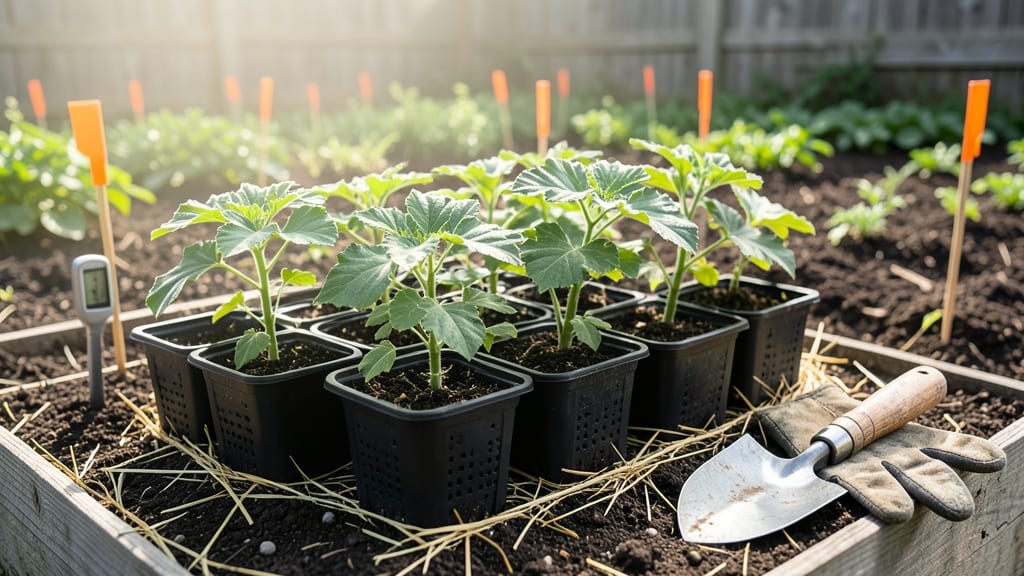
Timing your 🍈 cantaloupe planting in Michigan isn’t just about avoiding frost—it’s about catching that narrow window when soil warmth and daylight align for a thriving harvest. Plant too soon, and chilly nights stall growth; too late, and your vines won’t mature before Michigan’s first frost in October.
The key to success lies in waiting for soil temperatures to hit 70°F and nighttime lows to stay above 55°F, typically between mid-May and early June in most of the state.
Why does this matter? Because cantaloupes are heat-loving powerhouses that refuse to thrive in cool conditions. Michigan’s 5b-6b climate zones add another layer—northern regions like the Upper Peninsula need extra patience, while southern areas can start slightly earlier.
I’ll break down the exact soil checks and regional adjustments you need to avoid wasted seeds and maximize your July-to-August harvest.
Let’s cut through the guesswork. You’ll discover how to test soil readiness (yes, there’s a simple hand trick), when to opt for transplants vs. direct sowing, and why black plastic mulch can shave weeks off your growing season.
Whether you’re a first-time gardener or a veteran with a few failed cantaloupe attempts, these Michigan-specific tips will help you learn how to turn your plot into a sweet, sun-ripened success.
No more second-guessing the calendar—just confident planting, faster growth, and a bounty of ripe 🍈 cantaloupes by summer’s end. Ready to unlock the secrets to your best Michigan harvest yet?
Michigan’s ideal cantaloupe planting timeline by soil temperature
Cantaloupe thrives in warm soil and long summer days, making Michigan’s 50°F+ soil temperature the critical benchmark. In most of the state, this means waiting until mid-May for direct sowing, but transplants can go in as early as late April if nighttime temps stay above 55°F.
The Upper Peninsula’s cooler climate may delay planting by 2-3 weeks compared to southern Michigan.
Michigan’s last frost dates vary dramatically—April 15 in southern regions but May 15 in northern areas. However, cantaloupe won’t tolerate frost, so always prioritize soil warmth over frost-free dates. A soil thermometer is your best tool for accuracy.
For direct-seeded cantaloupe, aim for May 15-30 in southern Michigan and June 1-15 in northern regions. Transplants can start 4-6 weeks earlier if you’ve hardened them off properly. The key is consistent warmth—cantaloupe seeds won’t germinate below 70°F soil.
| Region | Soil Temp Threshold | Direct Sow Window | Transplant Window | Harvest Window |
|---|---|---|---|---|
| Southern Michigan (Detroit, Kalamazoo) | 70°F+ | May 15-30 | Late April-Early May | July 15-August 15 |
| Central Michigan (Lansing, Grand Rapids) | 70°F+ | May 20-June 5 | Late April-May 10 | July 1-August 10 |
| Northern Michigan (Traverse City, UP) | 70°F+ | June 1-15 | May 15-June 1 | July 15-August 5 |
🌱 Pro Tip: Use black plastic mulch to warm soil by 5-10°F and extend your planting window by 2 weeks.
If you’re starting seeds indoors, begin them 4-6 weeks before your target outdoor planting date. Use biodegradable pots to avoid transplant shock, and harden them off for 7-10 days before moving outside. Seedlings need full sun and warmth—a heat mat can help if your home stays cool.
For extended harvests, try succession planting every 2 weeks until mid-June. This ensures a steady supply of ripe cantaloupes throughout July and August. Just remember: cantaloupe needs 75-90 days to mature, so late plantings won’t ripen before frost.
One critical mistake Michigan gardeners make is planting too early in hopes of a longer season. Cold soil stunts roots and delays fruiting. Always wait for consistent warmth—even if it means a shorter harvest window. A soil thermometer ($15 at garden centers) is a game-changer for precision.
In southern Michigan, where summers are longer, you can push late June plantings for a fall harvest, but yields will be smaller. The Upper Peninsula has a shorter window, so focus on early varieties like ‘Athena’ and black plastic mulch to maximize warmth.
Finally, choose your location wisely. Cantaloupe vines need 6-8 feet of space to sprawl, so plant them near fences or trellises if space is limited. South-facing beds with afternoon shade in
5 Signs your Michigan soil is Ready for cantaloupe (and 3 mistakes to avoid)
Cantaloupes are heat-loving plants that refuse to thrive in cold soil. In Michigan, where soil temperatures can lag behind air temperatures, waiting for the right cues is critical. Planting too soon means stunted growth or even death—your seeds need warmth to germinate properly.
Let’s break down the key soil readiness signs and common pitfalls that could sabotage your harvest. 🌱
First, check your soil temperature with a soil thermometer. Cantaloupes won’t germinate well below 70°F. If your garden soil reads 50-60°F in the morning, it’s still too chilly. In Michigan’s USDA Zones 5b-6b, this typically means waiting until late May or early June in most regions.
For the Upper Peninsula, you may need to push planting into June. 🌡️
❌ Not Ready: Below 65°F (seeds won’t germinate)
❌ Not Ready: Dry or waterlogged soil
❌ Not Ready: Below 50°F (frost damage likely)
❌ Not Ready: Feels cool even after sun exposure
❌ Not Ready: Planting before frost-free date
Avoid these 3 common mistakes that Michigan gardeners make: planting in cold soil, ignoring black plastic mulch for warmth, or rushing seeds without hardening off transplants. Cold soil slows germination by 50% or more, while mulch can add 5-10°F to soil temperature.
Always harden off seedlings for 7-10 days before transplanting to prevent shock. ✂️
To extend Michigan’s short season, use black plastic mulch or row covers to warm soil faster. In cooler areas like the Upper Peninsula, start seeds indoors 4-6 weeks before the last frost date.
For the Lower Peninsula, direct sow after Memorial Day if soil is warm enough. Test your soil’s pH (6.0-6.8)—cantaloupes hate acidic conditions. 🌿
If you’re unsure about your soil’s readiness, plant a test row of fast-growing radishes or lettuce first. These act as soil temperature indicators—if they thrive, your cantaloupe seeds are likely safe to follow.
Remember: Patience pays off with cantaloupes. A few extra weeks of waiting ensures a bountiful harvest instead of wasted effort. 🍈