
Plants
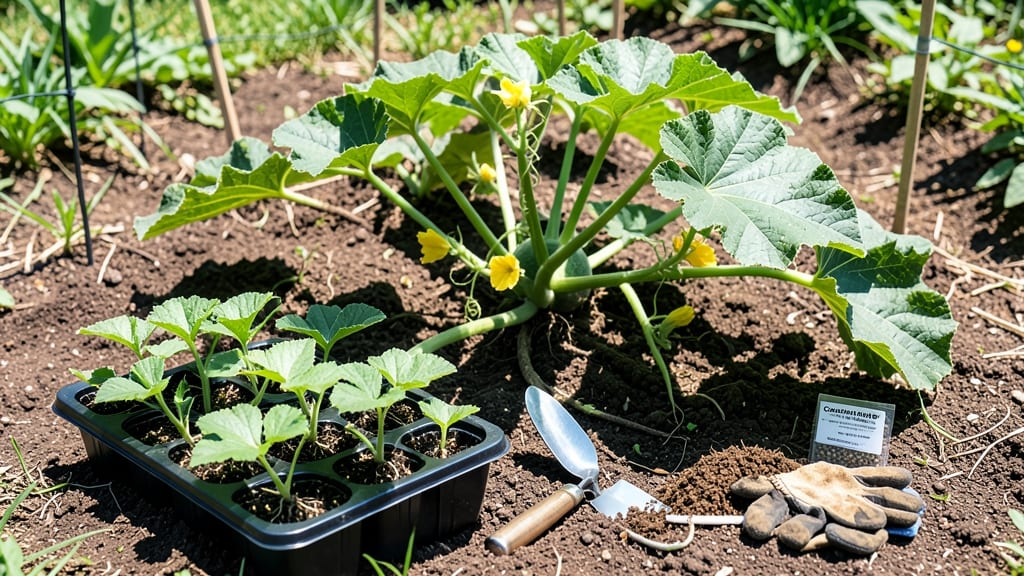
Timing your cantaloupe planting in Illinois can mean the difference between sweet, juicy harvests and bitter disappointment. With USDA zones 5-6 and unpredictable spring weather, getting those seeds in the ground just right is key to success.
Most Illinois gardeners wait until mid-April to mid-May—after the last frost has passed—to plant cantaloupe seeds. But here's the catch: soil temperature matters just as much as calendar dates.
Your vines won't thrive until the ground warms to at least 60°F, which typically happens 3-4 weeks after frost in most regions.
Why does this matter? Because cantaloupe is a heat-loving plant that needs 70°F+ soil to germinate properly. Plant too early, and you risk stunted growth or even crop failure. Get it right, though, and you'll be enjoying homegrown 🍉 by July or August.
In this guide, I'll walk you through the exact weeks before last frost to plant, plus pro tips for Illinois gardeners to maximize your harvest. Let's get those vines growing strong!
Illinois last frost dates: exact weeks before planting cantaloupe seeds
Illinois gardeners know timing is everything when planting cantaloupe. These heat-loving vines need warm soil and consistent warmth to thrive. Planting too early risks frost damage, while waiting too long cuts your harvest short.
Let’s break down the exact weeks before your last frost to plant cantaloupe seeds for maximum success.
Illinois spans USDA Zones 5-6, meaning frost dates vary dramatically. Northern regions like Chicago and DeKalb typically see their last frost around mid-April, while Southern Illinois (e.g., Carbondale) warms up by early April.
Cantaloupe seeds should never hit the ground until soil temperatures reach 70°F (21°C)—waiting ensures strong germination and growth.
Here’s the golden rule: Plant cantaloupe seeds 3-4 weeks after your average last frost date. This window ensures vines establish roots before summer heat peaks. For Northern Illinois, that’s typically late April to early May, while Southern Illinois can start as early as mid-April.
Always check your local frost-free date for precision—your county extension office is a great resource.
Microclimates matter! Urban areas like Chicago may experience later frosts due to lake effects, while rural spots in Southern Illinois can warm faster. Use a soil thermometer to confirm readiness—70°F+ soil is non-negotiable for cantaloupe seeds.
Pro tip: If you’re eager to start earlier, sow seeds indoors 2-3 weeks before your last frost. Transplant seedlings outdoors once nighttime temperatures stay above 55°F (13°C). This head start can shave critical weeks off your growing season.
| Region | Last Frost Date | Planting Window | Soil Temp Requirement |
|---|---|---|---|
| Northern IL (Chicago, DeKalb) | Mid-April | Late April–Early May | 70°F+ (21°C) |
| Central IL (Springfield, Peoria) | Early April | Late April | 70°F+ (21°C) |
| Southern IL (Carbondale, Marion) | Early April | Mid-April | 70°F+ (21°C) |
Missed the ideal window? Don’t panic! Cantaloupe can tolerate light frosts as seedlings if protected. Use row covers or black plastic mulch to warm soil faster. For late plantings, opt for heat-tolerant varieties like 'Ambrosia'—they mature faster in shorter seasons.
Remember: Cantaloupe needs 90-100 days to harvest. Planting too late risks early autumn frosts cutting your season short. Aim for a July-August harvest by aligning your planting with local frost-free dates and soil warmth.
For extra insurance, monitor your local weather forecasts in late spring. A sudden cold snap? Cover seedlings immediately. With the right timing, your cantaloupe vines will reward you with sweet, juicy fruit before Illinois’ first frost hits in October. 🍉
Cantaloupe varieties for Illinois: best types and their planting schedules
Not all cantaloupe varieties thrive equally in Illinois’ variable climate. Some handle short summers better, while others need extended heat to ripen. Choosing the right type—and planting at the right time—can mean the difference between sweet, juicy fruit and bitter disappointment.
Let’s break down the best options for your garden.
For Northern Illinois (USDA zones 5), opt for early-maturing varieties like 'Hale’s Best' or 'Ambrosia'. These need only 70-80 days to harvest, giving them a fighting chance against early fall frosts.
In Southern Illinois (zone 6), you can afford slightly later-maturing types like 'Athena' or 'Marketmaster', which take 80-90 days but reward you with larger fruit.
Bush varieties (like 'Tasty Breeze') are ideal for small spaces or containers, while vining types (like 'Hale’s Best') spread wider but produce more fruit. If you’re in a microclimate with extra heat—like near a south-facing wall—you can push the envelope with later varieties. Just be ready to protect plants if a late frost sneaks in.
| Variety | Days to Maturity | Best Planting Time | Heat Tolerance | Notes |
|---|---|---|---|---|
| Hale’s Best | 75-85 days | Mid-April to early May | High | Classic vining type; needs trellis |
| Ambrosia | 70-80 days | Late April to early May | Medium | Bush type; great for containers |
| Athena | 80-90 days | Early May | Very High | Large fruit; needs long season |
| Tasty Breeze | 70-75 days | Late April | Medium | Disease-resistant; compact |
If you’re succession planting for a longer harvest, start with 'Ambrosia' in late April and follow up with 'Athena' in early May. This staggered approach ensures you’re not overwhelmed with fruit all at once—and maximizes your chances of beating the first frost in October.
Just remember: Soil temperature matters just as much as air temperature. Use a soil thermometer to confirm it’s hit 70°F+ before planting.
For container growers, stick to bush varieties like 'Tasty Breeze' or 'Sweet Granite'. These thrive in 5-gallon pots and can be moved to sunniest spots as the season progresses.
If you’re in Southern Illinois, you might even squeeze in a late summer planting in June for a fall harvest—just use black plastic mulch to warm the soil faster.
Pro tip: Save seeds from your best-performing cantaloupes for next year! Illinois’ climate can favor certain traits—like disease resistance or earlier ripening