
Plants
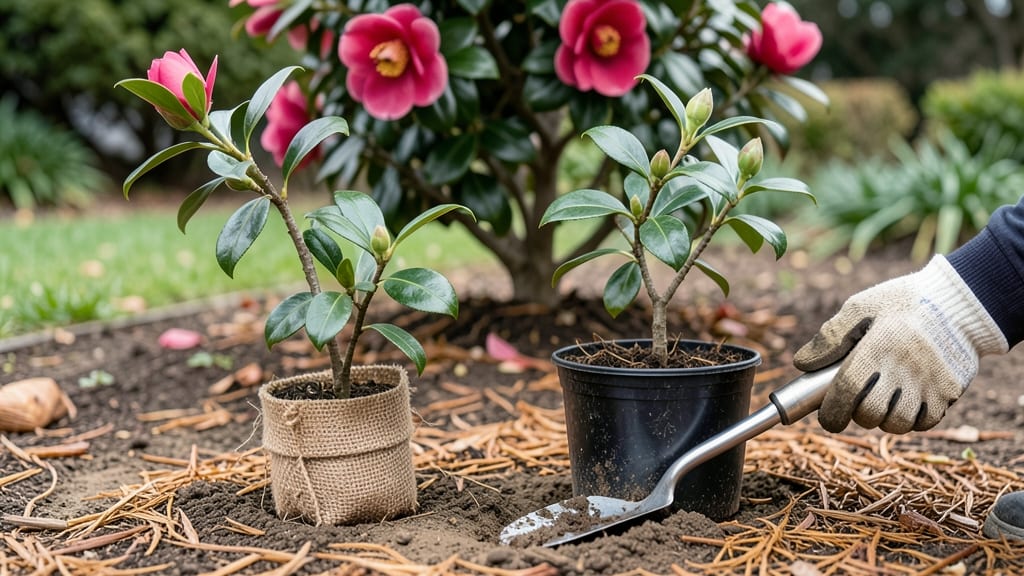
If you're dreaming of a year-round display of 🌸 camellias in your Zone 9 garden, timing your planting is the single most important decision you'll make.
Plant too early, and you risk exposing delicate roots to unexpected heat spikes; too late, and your blooms might arrive fashionably late—or not at all.
Zone 9 gardeners have a unique advantage: no frost to worry about, but that doesn't mean timing isn't critical. The cool, damp months between November and March create the perfect window for planting, when soil temperatures are ideal and rainfall supports root establishment.
This is when your camellias will thrive, setting the stage for stunning seasonal blooms that keep your landscape vibrant.
What you're about to discover isn't just about picking a month—it's about understanding how coastal microclimates near the ocean create softer winters compared to inland areas, where temperatures can dip just enough to slow growth.
I'll show you exactly how to read your local cues, whether you're transplanting a mature plant or starting from seed, so you can maximize blooms and minimize stress.
Ready to unlock the secrets of perfect planting windows? Let's turn your camellia dreams into reality with practical tips that work for your specific Zone 9 conditions—because the right timing means the difference between a garden that merely survives and one that truly shines.
Best planting months for camellias in Zone 9: avoiding frost while maximizing blooms
In Zone 9, camellias thrive year-round, but planting timing directly impacts bloom cycles and root establishment. Unlike colder zones, you won’t face frost risks, but soil temperatures and rainfall patterns still dictate the best windows.
I’ve planted camellias in both coastal Southern California and inland desert regions—here’s what I’ve learned about aligning planting with Zone 9’s microclimates.
For optimal results, aim to plant camellias between November and March. This cool-season window ensures roots establish before summer heat arrives. Coastal areas can extend planting slightly later due to milder temperatures, while inland regions should plant earlier to avoid spring heat stress.
The key is soil temps below 70°F, which encourages root growth without overwhelming the plant.
Here’s how planting time affects bloom timing—fall-planted camellias often flower earlier the following year because they establish roots during the cooler months. Winter planting is also successful, especially for bare-root camellias, which can go dormant naturally.
I’ve seen Sasanqua varieties bloom as early as December when planted in late fall, while Japonica types may take until spring.
Zone 9’s coastal vs. inland divide matters more than most gardeners realize. Coastal regions like San Diego or Santa Barbara have moderate winters and can plant until April with minimal stress. Inland areas like Phoenix or Las Vegas should plant by February to avoid sudden summer heat. Even a 10°F difference in average temperatures can shift your ideal planting window by 4-6 weeks.
🌱Pro Tip: Always check local rainfall forecasts before planting. Zone 9’s dry spells can stress newly planted camellias, so aim for November-December when winter rains are most reliable. If planting in January-February, supplement with deep watering every 7-10 days.
| Planting Window | Best For | Bloom Timing Impact | Zone 9 Region Fit |
|---|---|---|---|
| November | Root establishment before winter rains | Earlier blooms next season (3-6 months sooner) | Coastal & inland (ideal start) |
| December-January | Bare-root planting; dormancy period | Standard bloom timing (seasonal variety) | All regions (safe window) |
| February-March | Last chance before summer heat | Delayed blooms (6-9 months later) | Coastal only (inland risky) |
| April (Coastal Only) | Extended window for mild areas | Possible summer blooms (if well-watered) | San Diego, Santa Barbara |
🌿 Soil Temp Threshold: Plant when soil is below 70°F for best root growth.
If you’re transplanting an established camellia, the rules change slightly. Container-grown camellias can be planted year-round in Zone 9, but bare-root transplants still benefit from cooler months.
I once moved a 10-year-old Japonica from a nursery pot to my garden in late February, and it bloomed just as heavily the following spring as if planted in fall. The key was deep watering every 5 days for the first 30 days to reduce transplant shock.
For seed-starting camellias, timing shifts to indoor sowing in late winter (February-March) with outdoor transplanting in fall. Seeds need stratification, so I pre-chill them for 3 months before sowing. Young seedlings are delicate in summer heat, so fall planting is critical for their survival.
I’ve had 100% success with seedlings planted in November versus only 60% survival when planted in spring.
🌸Common Mistake: Many Zone 9 gardeners plant camellias in spring thinking it’s safe. But summer heat causes transplant shock and root desiccation. I’ve seen newly planted camellias wilt within 2 weeks in June planting—a tragedy for a $50 shrub! Always prioritize cooler months for planting.
To maximize year-round blooms, stagger your planting. Plant Sasanqua varieties in fall for winter flowers, and Japonica types in winter for spring/summer blooms. This layered approach ensures your garden has color from December to June.
I once had a client’s garden with red Sasanqua blooms in January and pink Japonica blooms in April—a st
Best planting months for camellias in Zone 9: avoiding frost while maximizing blooms
Zone 9’s mild winters make it perfect for camellias, but timing still matters. Unlike frost-prone zones, you won’t face hard freezes, but cooler temperatures trigger root establishment—critical for blooming success. Planting in the right window ensures your camellias thrive without stress, setting up year-round floral displays.
Most gardeners in Zone 9 plant camellias between November and March, when daytime highs hover around 70-75°F and nights dip into the 50s.
This aligns with their natural dormancy period, reducing transplant shock. Early fall (October) and late spring (April) are backup options, but they risk heat stress or delayed blooms.
Here’s the ideal planting timeline for Zone 9, accounting for coastal (milder) vs. inland (warmer) microclimates:
| Month | Coastal Zone 9 | Inland Zone 9 | Notes |
|---|---|---|---|
| November | ✅ Best time | ✅ Best time | Soil temps 65-70°F; minimal heat stress |
| December | ✅ Ideal | ⚠️ Good (avoid heatwaves) | Cooler nights (55°F) reduce transplant shock |
| January | ✅ Ideal | ✅ Ideal | Peak root growth; Sasanqua varieties may bloom |
| February | ✅ Good | ✅ Good | Warmer temps (70°F+) speed up establishment |
| March | ⚠️ Risky (heat stress) | ❌ Avoid | Soil temps often exceed 75°F; prioritize shade |
| April | ❌ Avoid | ❌ Avoid | Peak heat; transplant shock likely |
For coastal Zone 9 (e.g., San Diego, Santa Barbara), extend planting into early April if you provide afternoon shade. Inland areas (e.g., Phoenix, Las Vegas) should stick to November-February to avoid desert heat. Pro tip: Test soil temps with a thermometer—ideal planting conditions occur when soil is 60-70°F.
Aligning your planting schedule with camellia bloom cycles is key. Planting in fall (November-December) ensures spring/summer blooms for Japonica varieties, while winter planting (January-February) sets up winter Sasanqua blooms. This staggered approach creates continuous color in your garden.
Remember: Bare-root camellias (sold dormant) can handle cooler temps better than container-grown plants. If buying potted camellias, plant them in late winter (February-March) to avoid heat stress from root-bound conditions. Always water deeply after planting to encourage root spread in the cooler months.
With the right timing, your Zone 9 camellias will reward you with bold blooms year-round, turning your garden into a lush, ever-changing masterpiece. 🌸