
Plants
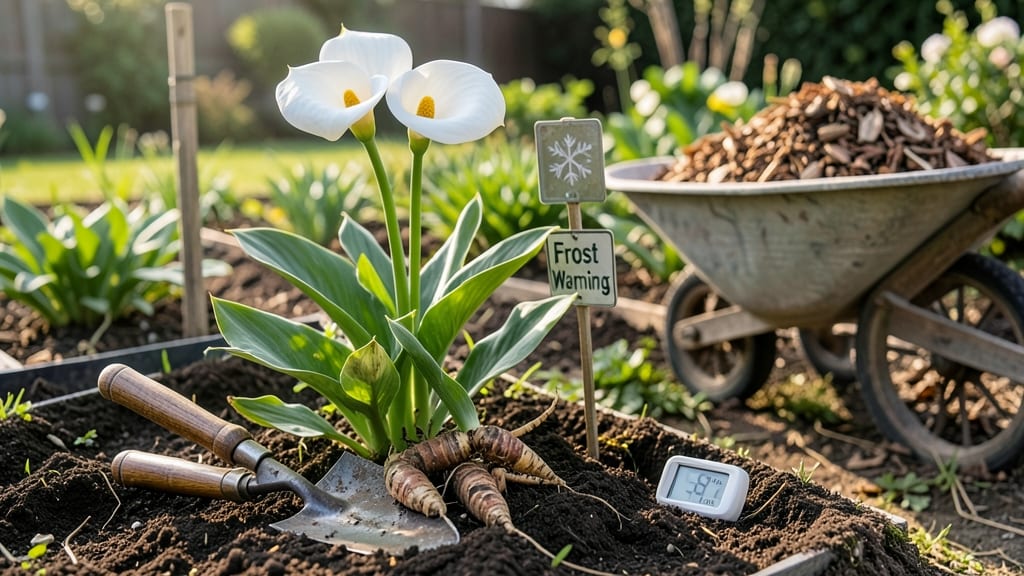
Figuring out when to plant calla lily bulbs in Zone 5 can feel like playing a high-stakes game of Mother Nature’s timing—get it wrong, and you risk soggy, frost-damaged bulbs or stunted blooms.
With Zone 5’s unpredictable frosts lingering until mid-May and summer heat arriving later than in warmer regions, nailing the window is everything.
Most gardeners in Zone 5 wait until after the last frost date (typically mid-May), but soil temperature matters just as much.
Calla lilies 🌸 thrive when the ground warms to at least 60°F, which usually happens in early June—planting too soon means risking rot, while waiting too long can shorten your blooming season.
Here’s the game-changer: I’ll break down the exact timeline, including how to prep bulbs for Zone 5’s tricky climate and whether containers give you a longer growing window.
Whether you’re a first-time planter or a seasoned gardener, these tips will help you avoid common mistakes and get those dramatic 🌸 blooms off to a strong start.
Ready to turn your Zone 5 garden into a showstopper? Let’s dive into the science-backed steps to plant your calla lilies at the perfect moment—no guesswork required.
Optimal planting timeline for calla lily bulbs in Zone 5’s frost zones
Zone 5 gardeners face a tricky balance when planting calla lily bulbs—too early and frost damages tender roots, too late and your plants may never reach their full 2-3 foot height.
The ideal window spans late May to mid-June, after your average last frost date (typically May 15) and when soil warms to 60°F+. Northern Zone 5 areas (like Minneapolis) should wait until June, while Southern regions (like St. Louis) can plant as early as mid-May.
Calla lilies (Zantedeschia aethiopica) thrive in 165 frost-free days, so timing matters. Planting in May gives you a 120-day growing season—just enough for vibrant blooms by early September.
However, late frosts can still sneak in, so always check your local Almanac frost dates or use a soil thermometer to confirm readiness.
For container gardening in Zone 5, you can extend the season by planting bulbs 4-6 weeks earlier in pots and moving them outdoors after frost. This strategy works especially well for tropical varieties like ‘Black Star,’ which are less cold-hardy than the classic white calla lily.
| Zone 5 Region | Optimal Planting Window | Soil Temp Threshold | Frost Risk |
|---|---|---|---|
| Northern Zone 5 (e.g., Chicago, Detroit) | Mid-June | 60°F+ (consistent) | High until June 15 |
| Central Zone 5 (e.g., Kansas City, Columbus) | Late May to early June | 55°F+ (minimum) | Moderate after May 20 |
| Southern Zone 5 (e.g., Memphis, Richmond) | Mid-May to late May | 50°F+ (tolerates cooler soil) | Low after May 10 |
| Container Gardening (Any Zone 5) | Early May (indoors) → Mid-May (outdoors) | 60°F+ (outdoor soil) | Low (containers warm faster) |
If you’re unsure about your local frost dates, use hardy mums or pansies as natural indicators—they signal safe planting when they bloom reliably. For extended-season blooms, consider ‘Crowd Pleaser’ calla lilies, which tolerate slightly cooler soil and may reward you with late-season flowers into October.
Pro tip: Mark your planting date on a garden calendar and count back 120 days to estimate your first frost date. This helps you adjust if your season runs shorter than average.
For example, if your first frost hits September 20, aim to plant by May 20 to maximize bloom time.
Remember, calla lily bulbs are not frost-tolerant—even a light freeze can kill emerging shoots. If your area experiences late May frosts (like 2019’s Memorial Day freeze), delay planting until June 1 or use row covers for early plantings.
For maximum root establishment, plant bulbs when nighttime temperatures stay above 55°F. This ensures steady growth without the stress of temperature swings. Use a soil thermometer to monitor—calla lilies won’t thrive until the ground consistently stays warm.
In Zone 5’s shorter growing season, prioritize well-draining soil and partial shade to help bulbs establish before summer heat arrives. Amend clay soil with compost or perlite to prevent waterlogged conditions, which lead to bulb rot—a common issue in Zone 5’s humid summers.
Once planted, mulch around bulbs with 2-3 inches of straw to retain moisture and regulate soil temperature. This simple step can mean the difference between vibrant blooms and stunted growth in Zone 5’s variable climate.
Optimal planting timeline for calla lily bulbs in Zone 5’s frost zones
Zone 5’s unpredictable frost dates make timing critical for calla lily bulbs (Zantedeschia aethiopica). Planting too early risks bulb rot from lingering cold, while waiting too late can stunt root development before summer heat arrives.
The ideal window balances soil warmth (60°F+) with frost-free certainty—typically mid-May to early June in most of Zone 5.
Northern Zone 5 (e.g., Chicago, Minneapolis) may need to wait until late May due to later frosts, while Southern Zone 5 (e.g., St. Louis, Cincinnati) can often plant by early May. Always check your local last frost date—calla lilies cannot tolerate freezing.
🌱 Zone 5 Calla Lily Planting Timeline
| Month | Action | Soil Temp | Notes |
|---|---|---|---|
| April | Prep soil (amend with compost) | 45-55°F | Avoid planting; risk of frost |
| May (Early) | Plant in Southern Zone 5 | 55-60°F | Use row covers if frost predicted |
| May (Mid-Late) | Plant in Northern Zone 5 | 60°F+ | Ideal for strong root growth |
| June | Final planting window | 65°F+ | Late plants may bloom smaller |
🌡️ Pro Tip: Use a soil thermometer—calla lilies need consistent warmth to thrive.
For extended blooms, prioritize ‘Black Star’ or ‘Crowborough’ varieties, which tolerate Zone 5’s cooler summers better than tropical types. If your area has late frosts, consider container planting—pots can be moved to sheltered spots or indoors if frost threatens.
After planting, mulch heavily (3-4 inches) to maintain soil warmth and suppress weeds. Calla lilies in Zone 5 often rebloom the following year if bulbs aren’t disturbed—unlike tropical varieties that may need annual digging in colder climates.
Watch for flower spikes emerging in July-August, signaling successful timing. If planted too late, you might see stunted growth or no blooms until the second year.
🌿 Key Takeaway: Zone 5 gardeners should wait for soil to warm (60°F+) and avoid planting before May 15—patience pays off with healthier roots and longer blooms.