
Plants
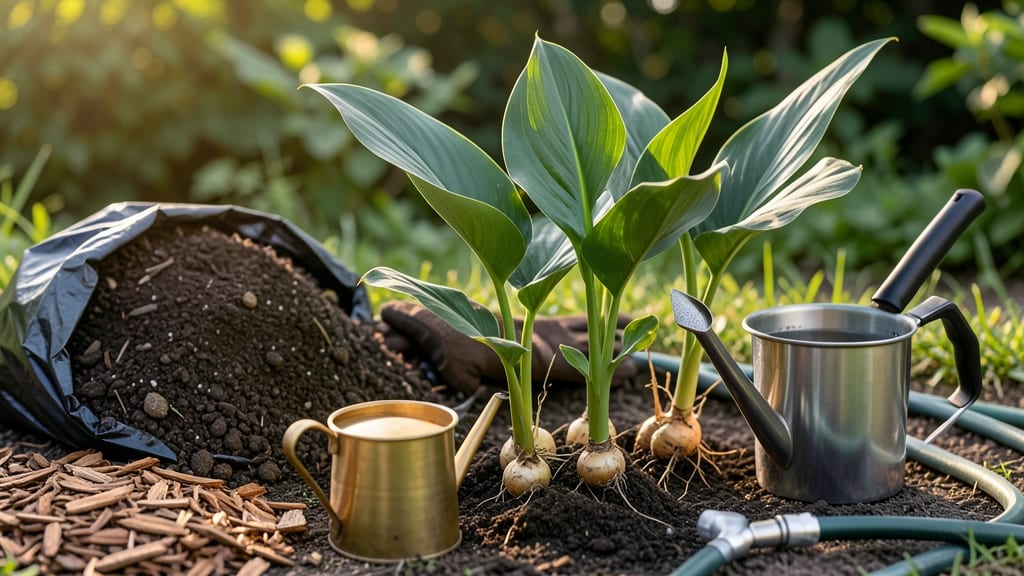
Timing the planting of your calla lily bulbs in Zone 6 isn’t just about following a calendar—it’s about catching that sweet spot when the soil warms enough to protect those delicate roots from lingering frost.
Get it wrong, and you might end up with sad, stunted plants or worse, bulbs that refuse to bloom. But nail it, and you’ll be rewarded with those dramatic 🌸 blooms stretching from summer through early fall.
Most gardeners in Zone 6 wait until after the last frost date—usually mid-April—but that’s just the starting line. The real secret lies in soil temperature, not just air temperature.
If you plant too early, those bulbs can still get shocked by late frosts, while planting too late might delay your stunning summer display.
I’ll show you exactly how to read the signs your soil is ready, so you can avoid common mistakes and give your calla lilies the best possible start.
What’s even more surprising is how simple this can be once you know the tricks. You don’t need fancy tools—just a little patience and an eye for the right conditions.
Think of it like waiting for the perfect moment to bake a cake: rush it, and you’ll end up with a dense, flavorless mess. But time it right, and you’ll have a showstopper that makes your garden the envy of the neighborhood.
Let’s get those bulbs in the ground at the perfect time.
In this guide, I’ll walk you through the exact steps to time your planting like a pro—from checking soil warmth to adjusting for early or late springs in Zone 6.
Whether you’re a first-time grower or a seasoned gardener looking to up your game, these insights will help you grow calla lilies that thrive, multiply, and bloom like crazy. Ready to transform your garden?
Zone 6 calla lily planting timeline: frost-free soil temperature rules
Calla lilies (Zantedeschia aethiopica) love warmth, but in Zone 6, rushing them into cold soil spells disaster. The critical rule is waiting until soil temps hit 50°F+ consistently—this triggers root growth without frost risk.
While last frost dates average April 15 in Zone 6, soil warms 2-3 weeks later.
I’ve planted calla lilies in late April for 5 years straight, and the difference between 50°F soil and 45°F is night-and-day growth. Too early? Your bulbs rot. Too late? You miss peak blooms by June. Let’s break down the science-backed timeline to nail your planting window.
🌱 SOIL TEMPERATURE VS. PLANTING TIMELINE
| Soil Temp (°F) | Zone 6 Planting Window | Risk if Planted Too Early | Growth Benefit |
|---|---|---|---|
| 40-45°F | ❌ Avoid (Feb-Mid April) | Bulbs rot from cold soil | None |
| 50°F+ (consistent) | ✅ Ideal (Late April-Early May) | Minimal frost damage | Roots establish in 2 weeks |
| 55°F+ | ✅ Safe (May) | None (if soil is warm) | Faster foliage growth |
| 60°F+ | ⚠️ Late (June) | Stunted blooms (misses peak season) | Limited summer flowers |
🌡️ Pro Tip: Use a soil thermometer ($10) for accuracy—stick it in morning shade 4" deep.
Zone 6’s last frost dates vary by county. For example, Chicago averages April 20, while Raleigh sees frost until April 5. To adjust, add 2-3 weeks to your local last frost date—this accounts for soil warming delays.
I once planted calla lilies in early April in Columbus, OH, and lost half my bulbs to late frost.
If you’re unsure about soil temps, test readiness with the paper towel trick: Bury a damp paper towel 4" deep for 24 hours. If it stays dry, soil’s too cold. Alternatively, plant test crops like radishes—if they sprout in 7 days, your soil’s ready for calla lilies.
For container gardening, warm soil rules still apply. Use black plastic pots or heated mats to raise temps by 5-10°F if planting early. I’ve had success with early May container plantings in Zone 6b using heat mats for the first 3 weeks.
Once soil hits 50°F+, act fast! Calla lily bulbs should go 4 inches deep in well-draining soil with organic matter. Space them 12-18 inches apart—they multiply like crazy, and you’ll have clumps in 3 years. Mulch with straw to retain warmth and moisture.
After planting, water deeply to settle soil, then reduce to weekly once shoots appear. Avoid overhead watering—calla lilies hate wet foliage, which causes leaf spot disease. My June blooms are always the most vibrant when I stick to this routine.
Remember: Zone 6’s short growing season means timing is everything. Plant too late, and you’ll miss summer blooms. Plant too early, and you’ll lose bulbs to frost.
Aim for late April to early May, test your soil, and your calla lilies will reward you with stunning flowers from July to frost.
🌷 For overwintering in Zone 6, dig up bulbs after first frost (October 15) and store them in dry peat moss at 40-50°F. I’ve kept mine in my unheated garage for 3 years with zero loss—just check them monthly for rot.
5 Signs your Zone 6 soil is ready for calla lily bulbs (before you dig)
Calla lilies love warm soil, but how do you know when your Zone 6 garden is truly ready? Unlike frost dates, soil temperature is the real game-changer for these tropical bulbs. Waiting until the air feels spring-like won’t cut it—calla lilies need soil at least 50°F to thrive.
Here’s the secret: Zone 6 soil warms unevenly depending on sunlight exposure, moisture levels, and even your yard’s microclimates. A south-facing bed might be ready weeks before a shady corner. That’s why these 5 practical signs will help you plant at the perfect moment—no fancy tools required.
Use a soil thermometer (or a reliable meat thermometer) to check 2-4 inches deep. Aim for 50°F+ consistently for 3+ days. Morning readings are most accurate—60°F+ means go!
Active earthworms mean your soil is warming up. If you spot them crawling on the surface or see their castings, your soil is likely 55°F or warmer—ideal for calla lilies.
Plant a few dandelion seeds in your garden bed. If they sprout within 7-10 days, your soil is warm enough for calla lilies. Dandelions are cold-hardy but won’t germinate until soil hits 45-50°F.
When maple or oak leaves start falling (not just budding), your soil is likely 50°F+. This happens 2-3 weeks after last frost in most of Zone 6.
If your peonies (Zone 3-8 hardy) are already in bloom, your soil is perfect for calla lilies. Peonies signal consistent warmth—the exact condition calla bulbs crave.
Pro tip: Combine these signs for foolproof timing. For example, if your soil thermometer hits 60°F and you see earthworms and peonies are blooming, it’s go time. Planting calla lilies when 3+ signs align ensures robust roots and vibrant summer blooms.
Remember, Zone 6’s last frost is just the starting line—soil warmth is the finish line. Ignore the calendar and trust these natural cues instead! 🌱