
Plants
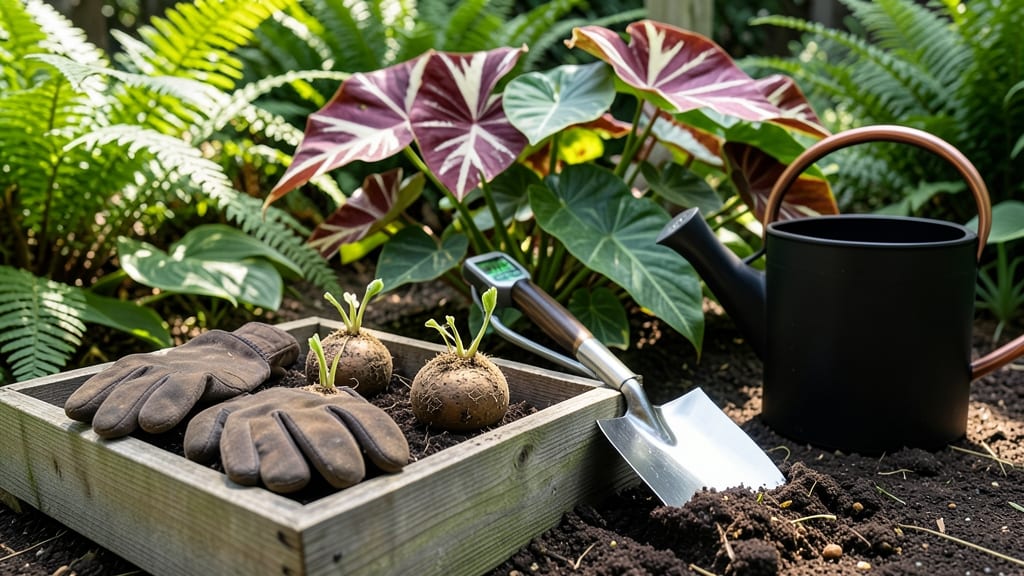
If you’ve ever planted caladiums in Texas only to watch their leaves wilt under the scorching sun, you’re not alone. Timing is everything—and getting it wrong can mean missing out on those show-stopping, heart-shaped leaves that make your garden pop.
The key lies in understanding your local heat zone and soil temperatures, because these tropical beauties 🌿 need a gentle introduction to Texas summers.
Most gardeners in USDA zones 8a-10b know the struggle: plant too early, and your caladiums fry before they even sprout. Plant too late, and you lose precious weeks of vibrant foliage. The sweet spot?
Waiting until after the last frost—typically March to May—when soil temperatures hit a steady 65°F. But here’s the catch: North Texas and South Texas don’t play by the same rules, and even a few degrees can make or break your plants.
I’ve tested this myself, and the difference between a thriving caladium patch and a sad, sunburned disappointment often comes down to one thing: preparation.
Whether you’re tucking tubers into garden beds or containers, the right soil, shade, and watering schedule can extend your caladium’s display from a few weeks to a stunning 3-4 months. Let’s break down the exact steps to get it right the first time.
Ready to transform your garden into a lush, leafy paradise? I’ll walk you through the heat zone deadlines, soil secrets, and care tips that’ll keep your caladiums looking their best—no wilting in sight. Let’s dive in.
Texas heat zone deadlines for planting caladiums: avoiding early heat stress
Caladiums are heat-loving plants that despise cold snaps, making Texas's diverse climate zones a perfect fit—but only if you plant them at the right time. In USDA Zones 8a-10b, the last frost dates vary wildly, from mid-January in South Texas to mid-February in North Texas.
Planting too early risks leaf scorch from sudden heat waves, while waiting too long cuts your foliage display season short.
For North Texas (Zones 8a-8b), aim for April 15–May 1 after soil warms to 65°F.
In Central Texas (Zone 8b-9a), you can start as early as March 15, but monitor nighttime temperatures—caladiums wilt below 50°F. South Texas (Zones 9b-10b) gardeners have the luxury of planting February 15–March 15, but avoid direct sun until May.
Soil temperature is more critical than air temperature. Use a soil thermometer to confirm 65°F+ before planting. In heavy clay soils common in East Texas, amend with compost or peat moss to improve drainage. Staggered planting every 2 weeks extends your 3–4 month show by ensuring continuous growth.
| Texas Region | USDA Zone | Last Frost Date | Ideal Planting Window | Soil Temp Threshold |
|---|---|---|---|---|
| North Texas | 8a-8b | Feb 15–Mar 1 | Apr 15–May 1 | 65°F+ |
| Central Texas | 8b-9a | Feb 1–Mar 15 | Mar 15–Apr 15 | 65°F+ |
| East Texas | 8a-8b | Feb 15–Mar 1 | Apr 1–Apr 30 | 65°F+ |
| South Texas | 9b-10b | Jan 15–Feb 15 | Feb 15–Mar 15 | 60°F+ |
| West Texas (limited) | 8a-8b | Feb 15–Mar 1 | May 1–Jun 1 | 70°F+ (container only) |
*Adjust dates 1–2 weeks earlier for urban heat islands or later for high-elevation areas.
Texas’s urban heat islands can push soil temperatures 10°F+ higher than rural areas. If you’re in Austin, Dallas, or Houston, plant 2 weeks earlier than rural guidelines. Conversely, hill country elevations (like Fredericksburg) may need a 2-week delay due to cooler nights.
Always check local frost data from the Texas A&M AgriLife Extension for precision.
Container planting offers flexibility for late arrivals. Use black plastic pots to absorb heat and plant 2–3 weeks after your ideal in-ground window. Place containers on patio pavers to improve drainage and prevent root rot. In South Texas, you can even overwinter tubers in containers and replant in February for a year-round display.
Watch for leaf yellowing or drooping after planting—this signals heat stress. Immediately move plants to partial shade (30–50% sunlight) and increase watering frequency to every 3–4 days. Mulch heavily with 3–4 inches of shredded bark to insulate roots and retain moisture.
For extreme heat waves (above 100°F), use shade cloth (30–50%) to protect foliage.
Caladiums thrive in humid conditions, so group plants closely to create a microclimate. In dry West Texas, consider a drip irrigation system to maintain consistent moisture. Avoid overhead watering, which can discolor leaves. Instead, water
Texas heat zone deadlines for planting caladiums: avoiding early heat stress
Texas gardeners know caladiums love the heat—but planting them too early can be a recipe for disaster. These tropical beauties need consistent warmth to thrive, and Texas's diverse heat zones (8a-10b) create very different planting windows.
In North Texas (zones 8a-8b), wait until after April 15 when soil temps hit 65°F, while South Texas (zones 9a-10b) gardeners can start as early as mid-March.
Timing matters because caladium tubers are sensitive to cold snaps and intense afternoon sun. Planting too soon risks leaf scorch or stunted growth. The key is aligning your schedule with last frost dates and soil temperature thresholds—not just calendar months.
🌱
For North Texas gardeners, I recommend waiting until late April to plant, even if your last frost was earlier. The soil temperature is the real indicator—use a soil thermometer to confirm it's consistently 65°F or warmer before planting.
In South Texas, you can start as early as mid-March, but be prepared to provide afternoon shade if temperatures spike above 90°F.
Pro tip: If you're in a transition zone (like Austin or San Antonio), consider staggered planting. Plant a few tubers in early April and the rest in mid-May to extend your foliage display from summer to early fall.
This also helps if you experience an unexpected late frost—not all tubers will be lost.
Once planted, mulch heavily with 2-3 inches of organic mulch (like pine straw or shredded bark) to retain moisture and regulate soil temperature. This is especially critical in West Texas, where temperature swings can be extreme.
Mulching also prevents tuber desiccation during hot afternoons, which is a common issue for caladiums in full-sun exposures.
Remember, caladiums are not drought-tolerant, but they also hate soggy soil. The right timing ensures they establish roots before summer heat hits, giving you vibrant foliage from June through October.
With these heat zone guidelines, you'll avoid the heartbreak of wilting leaves and instead enjoy a show-stopping garden all season long. 🌿