
Plants
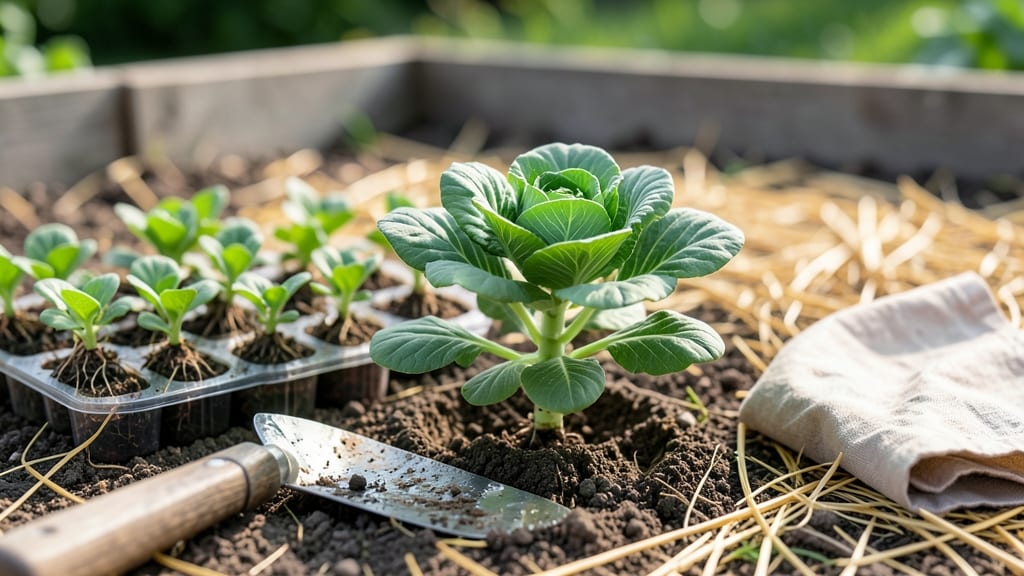
If you’ve ever tried growing 🥬 cabbage in Zone 9 and ended up with bitter, bolted heads instead of crisp, flavorful harvests, you’re not alone—but knowing when to plant cabbage in zone 9 is the key to success.
The trick isn’t just about planting; it’s about timing your seeds or transplants to avoid the brutal summer heat and take full advantage of the cooler months.
Zone 9’s mild winters and long growing season might seem ideal, but cabbage thrives in cooler temperatures—between 55°F and 65°F. Plant too early, and your cabbage will bolt (flower prematurely) from the heat.
Too late, and you risk stunted growth or pests. The sweet spot? September to October for fall planting or January to February for winter crops.
In this guide, I’ll break down the exact weeks before frost (or lack thereof, since Zone 9 rarely freezes) to plant your cabbage, plus pro tips for soil prep, shade strategies, and variety selection.
Whether you’re a first-time gardener or a seasoned grower, these steps will help you grow bold, healthy heads—no bitter surprises included.
Ready to turn your garden into a cabbage powerhouse? Let’s dive into the perfect planting schedule for Zone 9’s unique climate, so you can enjoy homegrown harvests from December through May.
Zone 9 cabbage planting calendar: exact weeks before frost for success
Zone 9’s mild winters mean no frost to signal planting time, so I rely on soil temperatures and heat stress thresholds instead. Unlike cooler zones, cabbage here thrives in fall and winter, with September-October being my prime window for transplants.
The key is planting 4-6 weeks before your local coolest temperatures (typically 55-65°F soil temps) to avoid bolting.
Since Zone 9 rarely drops below freezing, I focus on heat avoidance rather than frost dates. For example, in Phoenix, I plant in late September to catch the cooler months before temperatures dip too low.
Coastal areas like San Diego can extend planting into November, thanks to milder microclimates. The goal is to give cabbage 60-100 days to mature before summer heat returns.
Here’s my Zone 9 cabbage planting timeline based on soil temps and regional variations:
| Stage | Action | Soil Temp | Zone 9 Regions |
|---|---|---|---|
| Start Seeds Indoors | 8-10 weeks before transplant | 60-65°F | July-August (for fall transplant) |
| Transplant Seedlings | 4-6 weeks before first cool snap | 55-65°F | Late September-October |
| Direct Sow Outdoors | For winter crops, sow in January | 50-60°F | January-February (coastal areas) |
| Harvest Window | 60-100 days after transplant | N/A | December-May (varies by variety) |
For fall planting, I aim to transplant seedlings by mid-September in inland areas or early October near coasts.
This gives cabbage enough time to form heads before winter temperatures stabilize. Winter planting (January-February) works for heat-tolerant varieties like ‘Golden Acre,’ but I monitor soil temps closely to avoid slow growth from chilly nights.
Zone 9’s microclimates play a huge role. Inland areas like Phoenix experience hotter winters (50-60°F), while coastal San Diego stays milder (55-65°F). I adjust planting dates by 2-4 weeks based on local weather patterns.
For example, if your area hits 70°F soil temps in October, delay planting until November to prevent bolting.
I always test soil temps with a soil thermometer before planting. Cabbage roots thrive in 55-65°F soil, but temperatures above 70°F trigger bolting. In Zone 9b, this means avoiding summer planting entirely and focusing on fall and winter windows.
Pro tip: Use shade cloth (30-50%) if you must plant in late summer.
One common mistake is assuming Zone 9’s lack of frost means you can plant anytime. But heat stress is the real enemy. I’ve lost multiple crops by planting in August—the plants bolted within weeks.
Instead, I wait for daytime highs below 80°F and nighttime lows above 50°F to ensure steady growth. This usually aligns with September-October for most of Zone 9.
To extend your harvest, I practice succession planting. I transplant new seedlings every 2-3 weeks from September through November, ensuring a continuous supply of fresh cabbage. This works especially well for smaller varieties like ‘Miniature Drumhead,’ which mature faster (60 days) and tolerate slightly warmer soil.
For organic gardeners, I recommend compost enrichment before planting. Zone 9 soils often lack organic matter, so I mix in aged compost and a balanced fertilizer (5-10-10) to boost nutrient availability.
This is critical for head formation, which requires consistent nitrogen and potassium levels during the 60-100 day growth period.
Finally, I always keep an eye on local weather forecasts. Unexpected heatwaves in December or January can stress cabbage plants, so I’m ready to provide afternoon shade or extra water if needed.
With the right timing, you can enjoy crisp, homegrown cabbage from December through May in Zone 9—no frost required!
How to avoid common cabbage planting mistakes in Zone 9 heat
Zone 9’s warm climate can turn your cabbage dreams into a bolting nightmare if you’re not careful. The biggest mistake? Planting during peak summer heat, which triggers premature flowering. I’ve seen cabbage plants bolt in July when temperatures hit 90°F+—ruining the entire harvest.
Another critical error is ignoring soil temperature. Cabbage thrives in 55-65°F soil, but Zone 9’s summer soil can reach 85°F+. If you plant too early, your seedlings will wilt or develop yellow leaves from heat stress. Always check soil temps with a soil thermometer before planting.
Here’s the visual breakdown of common mistakes and how to avoid them:
⚠️ Zone 9 Cabbage Planting Pitfalls
- 🔥 Planting in summer heat → Causes bolting (premature flowering). Fix: Wait until September or January.
- 🌡️ Ignoring soil temps → Seeds rot or seedlings wilt. Fix: Aim for 55-65°F soil.
- 💧 Overwatering → Leads to fungal diseases. Fix: Water deeply but infrequently (1-2 inches/week).
- 🌿 Skipping shade cloth → Heat stress in late summer. Fix: Use 30-50% shade cloth for seedlings.
Pro Tip: Succession planting in fall and winter spreads risk and ensures a steady harvest.
If you’re planting in late summer (August), use shade cloth to protect seedlings from intense afternoon sun. I’ve had success with 30% shade cloth in Phoenix, which keeps soil temps 10°F cooler than open air.
For transplants, harden them off gradually to avoid shock from sudden temperature changes.
Watering is another area where Zone 9 gardeners often go wrong. Drought stress causes cabbage to bolt, but overwatering leads to rot. Stick to 1-2 inches per week, watering deeply in the morning to reduce evaporation.
Mulch with straw or wood chips to keep roots cool and moisture consistent.
Finally, don’t underestimate the power of succession planting. Instead of one big fall planting, try two smaller batches: one in late August (with shade cloth) and another in October. This way, you’ll have harvests in December and January without risking bolting.
With these adjustments, you’ll avoid the common mistakes that turn Zone 9 cabbage into a gamble. Next, let’s explore the best varieties for your climate—some handle heat better than others! 🥬