
Plants
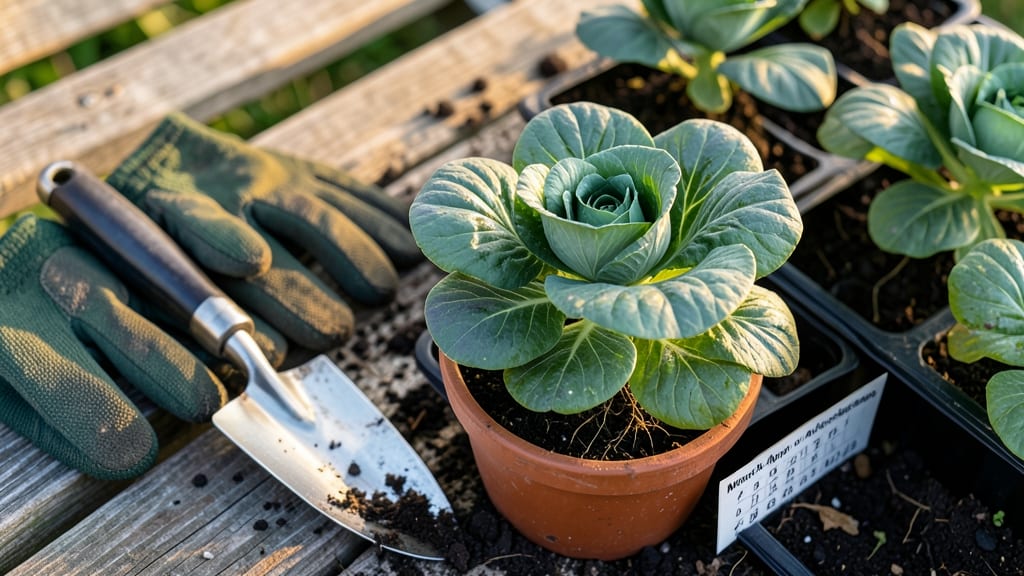
Timing your 🥬 cabbage planting in Maryland isn’t just about throwing seeds into the dirt—it’s the difference between a thriving harvest and a sad, bolted mess. Maryland’s 7a-7b climate means you’ve got two golden windows to plant for perfect heads: spring and fall.
Skip the guesswork and plant at the right time, and you’ll avoid the heartbreak of cabbage that turns bitter or runs to seed before you can enjoy it.
Whether you’re a first-time gardener or a seasoned pro, knowing exactly when to get those seedlings in the ground makes all the difference.
In this guide, I’ll break down the best months for planting in Maryland, why timing matters so much, and how to adjust for your specific microclimate—whether you’re in Baltimore, the Eastern Shore, or Western Maryland. No more wasted effort, just crisp, delicious cabbage heads ready to harvest.
Let’s get you growing like a local expert—no more second-guessing, just confident planting that leads to a bountiful fall harvest.
Maryland cabbage planting calendar: month-by-month success guide
Maryland’s two distinct planting seasons—spring and fall—offer the best chances for healthy cabbage heads. The key? Timing your planting to avoid heat stress and early frost, which can trigger bolting or stunted growth. Let’s break down the month-by-month strategy tailored to Maryland’s USDA Zones 6b-7a.
For spring planting, your window opens in late February to early April, but the exact timing depends on whether you’re starting seeds indoors or transplanting seedlings. Maryland’s average last frost date is around April 15, so plan accordingly.
Fall planting, meanwhile, runs from mid-August to early September, giving cabbage enough time to mature before winter sets in.
Regional microclimates also play a role. Coastal areas like the Eastern Shore experience milder winters, while Western Maryland faces earlier frosts. Adjust your planting dates by 1-2 weeks if you’re in a cooler microclimate. For example, Baltimore gardeners can push spring planting slightly later than rural areas.
Here’s your Maryland cabbage planting calendar at a glance, including soil temperature thresholds and frost risk:
| Month | Planting Window | Soil Temp (°F) | Frost Risk | Notes |
|---|---|---|---|---|
| February | Indoor seed start | 60-65°F (indoors) | Low | Start seeds 6-8 weeks before last frost. |
| March | Outdoor transplant (late) | 45°F+ | Moderate | Hardened seedlings only after soil warms. |
| April | Primary transplant window | 50°F+ | Low (post-April 15) | Ideal for spring cabbage harvests. |
| May | Succession planting | 55°F+ | None | Plant every 2-3 weeks for continuous harvests. |
| August | Fall transplant start | 60°F+ | None | Avoid planting too late—90 days to harvest. |
| September | Final fall window | 50°F+ | Moderate (late Sept) | Choose fast-maturing varieties for fall. |
For spring cabbage, aim to transplant seedlings into the garden 2-3 weeks before Maryland’s last frost. This gives plants enough time to establish roots before the soil warms. If you’re using direct sowing, wait until the soil reaches 45°F—any earlier, and seeds may rot.
In Western Maryland, where frosts linger longer, delay planting by 1-2 weeks compared to coastal areas.
Fall planting is trickier because day length triggers bolting. Plant late enough to avoid summer heat but early enough to harvest before November 15, Maryland’s average first frost date.
If you’re in Zone 7a, push fall planting to early September for a safe harvest. Use row covers or cold frames to extend the season if needed.
Pro tip: Succession planting in spring and fall ensures a steady supply of cabbage. Space transplants 2-3 weeks apart in May and August to stagger harvests. This also reduces the risk of cabbage worms and aphids, which thrive in dense plantings.
Finally, always check your local extension service for microclimate adjustments. A 5-mile difference in elevation can shift frost dates by 1-2 weeks, so don’t rely solely on statewide averages.
With the right timing, you’ll avoid bolting, poor head formation, and wasted effort—and enjoy homegrown cabbage all season long! 🥬
5 Critical factors that determine cabbage planting timing in Maryland
Planting cabbage in Maryland isn't just about picking a month—it's about understanding 5 key factors that can make or break your harvest. From variety selection to soil temperature, each element shifts your planting window. Let's break down what truly matters for zero-bolt success in Maryland's USDA Zones 6b-7a.
First, your cabbage variety dictates timing. Heat-tolerant Golden Acre handles Maryland's July heat better than Red Express, which bolts faster in 85°F+ soil. Always check the seed packet for days to maturity—this tells you when to start seeds indoors or transplant outdoors to avoid summer's worst heat.
Next, seed vs. transplant changes everything. Starting seeds indoors gives you a 6-8 week head start before Maryland's last frost (April 15). But if you're transplanting seedlings, wait until soil hits 45°F—colder temps stunt root growth. Use a soil thermometer to avoid guessing.
Choose bolting-resistant varieties like 'Golden Acre' for summer planting. Avoid 'Early Jersey Wakefield' in July—it bolts in 10 days at 85°F.
Wait for 45°F+ soil before transplanting. Use a soil thermometer—Maryland's spring soil can stay cold until mid-April.
Spring: Plant 4-6 weeks before last frost (March). Fall: Plant 8-10 weeks before first frost (September). Adjust for microclimates—Baltimore frosts later than Western MD.
Test soil pH (6.0-7.0). Amend with compost and lime if needed. Maryland's clay soil needs organic matter for drainage.
Stagger plantings every 2-3 weeks in spring/fall for continuous harvests. Example: March 1, March 15, April 1.
Don't overlook soil pH—Maryland's native clay often tests acidic (pH 5.5). Aim for 6.0-7.0 by adding pelletized lime (apply in fall). Poor pH causes yellow leaves and stunted heads. Test your soil before planting—it’s the difference between market-ready cabbages and sad, small specimens.
Finally, succession planting extends your harvest window. In Maryland, plant 3 batches in spring (March 1, March 15, April 1) and 2 in fall (August 1, August 15).
This ensures you're never without fresh cabbage from June to November. Pro tip: Use shade cloth in July to protect seedlings from bolting.
Master these 5 factors, and you’ll outpace Maryland’s unpredictable weather. Start with your variety, time seeds for soil warmth, and adjust for frost dates—your harvest will thank you. 🥬