
Plants
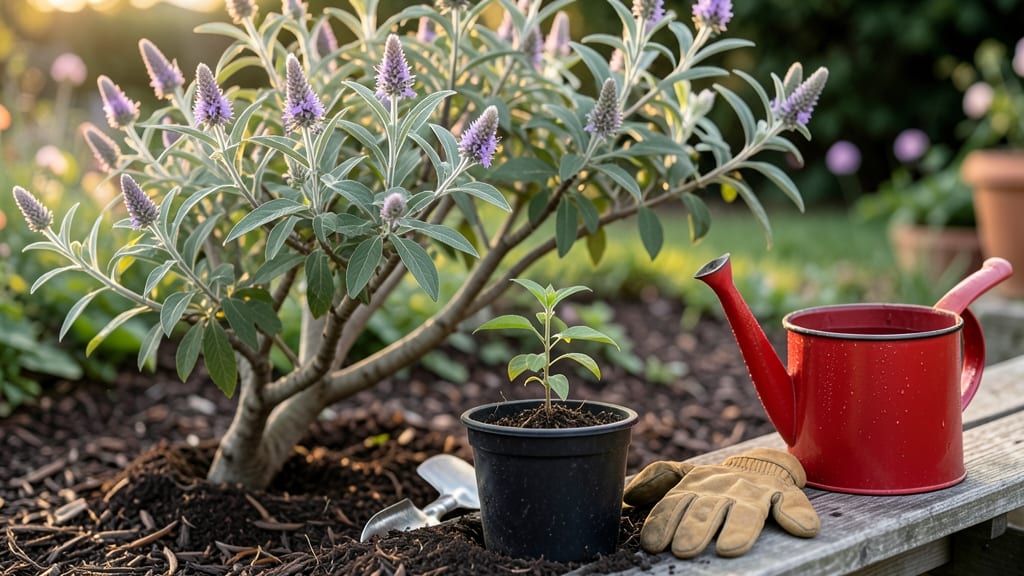
Timing your Butterfly Bush 🦋 planting in Zone 7 could mean the difference between a lush, blooming shrub and one that wilts before summer even begins. Too early, and your plant will struggle with heat stress; too late, and you might miss the full flowering season entirely.
I’ve learned the hard way that Zone 7’s spring heat can be brutal on young plants, but with the right strategy, you can give your Butterfly Bush the best possible start.
The key is planting at the perfect moment—when soil temperatures are warm enough to support root growth but not so hot that they shock the plant.
In this guide, I’ll break down the ideal planting windows for both spring and fall, plus pro tips to help your Butterfly Bush thrive through Zone 7’s intense summers. Whether you’re planting in the ground or a container, you’ll find out exactly when—and how—to set your plant up for success.
Let’s dive into the science-backed timing that’ll have your Butterfly Bush bursting with color all season long.
Optimal planting windows for butterfly bush in Zone 7: month-by-month heat tolerance guide
Zone 7’s butterfly bush (Buddleia) thrives when planted during two key windows: early spring and fall. The last frost date (around April 15) signals spring readiness, while fall planting should occur 4-6 weeks before first frost (mid-October).
Timing matters—plant too early, and heat stress stunts roots; too late, and blooms suffer.
Spring planting offers 6-8 weeks of root establishment before summer’s peak. Fall planting gives roots time to harden before winter dormancy. Both strategies leverage Zone 7’s 180 frost-free days for optimal growth. Let’s break down the month-by-month heat tolerance for each window.
| Planting Window | Ideal Months | Soil Temp (°F) | Heat Risk | Prep Tips |
|---|---|---|---|---|
| Spring | March–April | 50–65°F | Low (early); High (late) | Acclimate to sun gradually |
| Spring | May | 65–75°F | High (avoid if >85°F) | Use shade cloth for 2 weeks |
| Fall | September–October | 60–70°F | Low (early); Moderate (late) | Water deeply before frost |
| Fall | November | 40–50°F | Low (dormant) | Mulch heavily for insulation |
For spring planting, aim for March–April when soil temps hover between 50–65°F. This gives roots time to establish before summer’s 85°F+ heat waves. If planting in May, use shade cloth for the first 2 weeks to prevent heat shock.
Monitor soil moisture—butterfly bushes wilt quickly in dry heat.
Fall planting in September–October is ideal for root hardening. Soil temps between 60–70°F encourage slow, steady growth. By November, focus on mulching (3–4 inches of organic matter) to protect roots during winter. Avoid planting after October 15—roots won’t establish before frost.
Zone 7’s microclimates matter. Inland areas (e.g., Raleigh, NC) experience hotter summers than coastal zones (e.g., Charleston, SC). Adjust planting by 1–2 weeks earlier inland to avoid peak heat. Coastal gardens benefit from maritime breezes, reducing heat stress by 5–10°F.
Test soil 2 weeks before planting to check moisture levels. Stick your finger 2 inches deep—if dry, water deeply. Butterfly bushes hate soggy roots but tolerate drought once established. Amend soil with compost for better drainage, especially in clay-heavy zones common in Zone 7.
Pro tip: Plant dwarf varieties (e.g., ‘Lo and Behold’) in containers for flexibility. Move pots to shadier spots during July–August heatwaves. Container-grown bushes also warm up faster in spring, giving you a 2-week head start over in-ground plantings.
Watch for heat stress signs: drooping leaves, yellowing foliage, or crispy leaf edges. These mean it’s too hot—immediately provide afternoon shade and increase watering to every 3–4 days. With the right timing, your butterfly bush will reward you with season-long blooms from June–September.
Remember: Butterfly bushes are not frost-tender but heat-sensitive. The goal is to establish roots before summer’s peak. Whether you choose spring or fall, follow these windows to maximize blooms and minimize stress in Zone 7’s challenging climate.
Optimal planting windows for butterfly bush in Zone 7: month-by-month heat tolerance guide
Zone 7’s mild winters and hot summers create a tight window for planting butterfly bush. The key is establishing roots before summer’s 90°F+ temperatures or after the first frost. Aim for early spring (March-April) or early fall (September-October) to maximize success.
Butterfly bushes thrive with 6-8 weeks of root establishment before summer’s peak. Planting too early (February) risks frost damage to tender roots, while late spring (May-June) plants may struggle with heat stress. Fall planting should occur 4-6 weeks before your first frost date (typically mid-October in Zone 7).
🌱 Soil temperature is your best gauge: roots establish best when soil stays above 55°F. Use a soil thermometer to confirm readiness. For container plants, wait until nighttime temps stay above 50°F consistently.
📅 Zone 7 Butterfly Bush Planting Timeline
| Planting Window | Ideal Months | Soil Temp Requirement | Heat Risk Level |
|---|---|---|---|
| Early Spring | March-April | 55°F+ (consistent) | Low-Medium |
| Late Spring | May (early) | 60°F+ (minimum) | High (use shade cloth) |
| Early Fall | September-October | 60°F+ (daytime) | Low (cooling temps) |
⚠️ Heat Risk: Low = Safe, Medium = Monitor closely, High = Requires protective measures
For container planting, extend your window by 2-4 weeks earlier or later, as pots warm/cool faster than ground soil. Choose black plastic containers to absorb heat and protect roots during summer’s peak. Always use well-draining mix with perlite to prevent root rot.
Zone 7 gardeners in coastal areas (like Virginia Beach) can plant 2 weeks later than inland zones due to milder summer heat. Monitor local microclimates—south-facing beds heat up faster than north sides. If planting in June-August, provide 50% shade cloth for the first 30 days.
Remember: Root establishment is your priority. A 2-3 inch layer of mulch (straw or wood chips) helps retain moisture and regulate soil temps. Water deeply 2-3 times per week after planting to encourage deep root growth before summer’s dry spells arrive.