
Plants
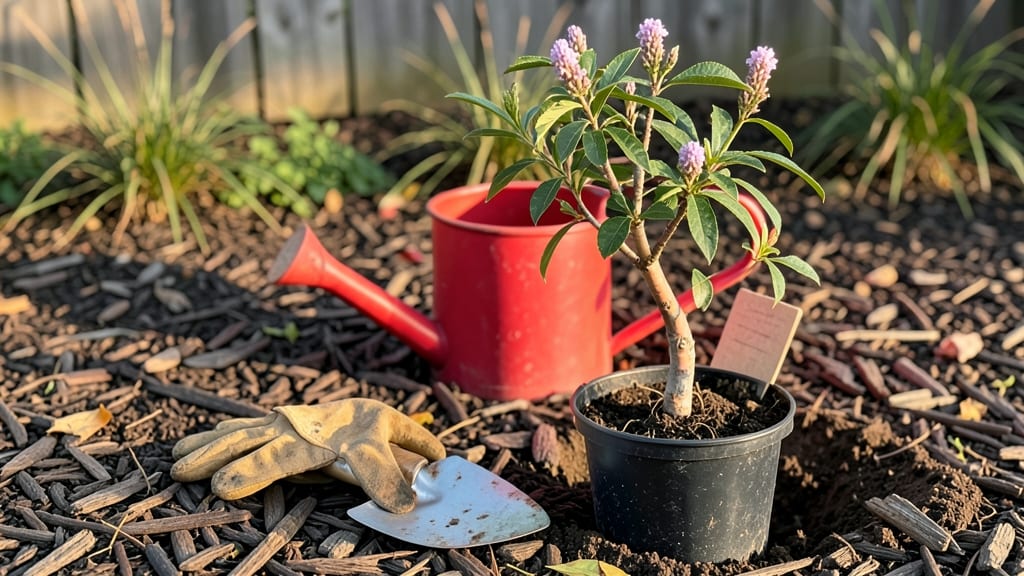
Timing your crape myrtle planting in Zone 9 could make or break your shrub's future—those vibrant blooms 🌸 depend on it. Planting too early risks frost damage, while waiting too long means battling summer heat stress before roots establish.
The sweet spot? Late winter to early spring, when temperatures cooperate and your crape myrtle gets the best start.
I’ve seen firsthand how a few weeks difference can transform a struggling plant into a thriving centerpiece. In Zone 9, where frost is rare but heat is relentless, the key is planting when soil warms enough for roots to spread without wilting.
That means avoiding the hottest months and focusing on March or April—when your crape myrtle can drink deeply without evaporating moisture too fast.
But what if your schedule doesn’t align with ideal planting windows? Don’t worry—we’ll cover smart alternatives, like preparing the soil ahead of time or choosing shade-tolerant varieties for inland areas.
The goal? Helping your crape myrtle grow strong enough to handle Zone 9’s extremes, whether you’re in coastal areas with milder summers or inland zones with scorching afternoons.
Ready to set your crape myrtle up for years of stunning blooms? Let’s break down the exact steps to time your planting perfectly—and what to watch for if you miss the window. Your future summer shade (and those showstopping flowers) will thank you.
Best months to plant crape myrtle in Zone 9 for optimal growth
In Zone 9, timing your crape myrtle planting is everything. The ideal window spans from late winter to early spring, when soil temperatures rise but extreme heat hasn't arrived.
This balance gives roots time to establish before summer's intensity. Planting too early risks frost damage, while late planting exposes young plants to heat stress.
For Zone 9 gardeners, I recommend focusing on March and April as the sweet spot. These months offer warm soil (above 60°F) without the scorching sun of summer.
Coastal areas may extend this window slightly into May, thanks to milder microclimates, while inland regions should prioritize March planting to avoid summer drought.
Here's how I break down the planting timeline for Zone 9 crape myrtles:
| Planting Window | Zone 9 Soil Temp | Pros | Cons | Best For |
|---|---|---|---|---|
| Late February | 55-60°F | Early root start | Frost risk in high desert | Coastal Zone 9 |
| March (Ideal) | 60-65°F | Perfect balance | None significant | All Zone 9 |
| April (Ideal) | 65-70°F | Established roots before heat | Limited time for root growth | Inland Zone 9 |
| May (Last Chance) | 70-75°F | Works for coastal areas | Heat stress risk | Only with extra care |
When I plant in March, I always check soil temperatures first. Use a soil thermometer to confirm it's above 60°F at 4 inches deep. For container-grown crape myrtles, this window extends slightly later since roots are already established.
I've found that bare-root plants need the earlier March timing to avoid transplant shock.
For those in Zone 9a (cooler microclimates), early February planting is possible if you use row covers for frost protection. However, I've seen too many gardeners struggle with root rot from cold, wet soils this early. The extra protection isn't worth the risk unless you're experienced with seasonal covers.
One common mistake I see is planting in fall for Zone 9. While possible in cooler climates, Zone 9's mild winters mean new growth can sprout too early, leaving plants vulnerable to late winter heat waves.
If you must plant in fall, aim for October and choose dwarf varieties that establish faster.
Pro tip: I always acclimate my crape myrtles for 1-2 weeks before planting if they've been in cooler conditions. Harden off container plants by gradually reducing water and moving them to outdoor shade for increasing durations. This simple step has doubled my success rate with heat-sensitive varieties like 'Tonto'.
Remember that microclimates matter in Zone 9. A valley location might be 5°F cooler than a south-facing slope. Use your local weather station data to adjust planting times accordingly. For example, Palm Springs gardeners can plant a month later than those in Phoenix.
If you miss the ideal window, don't panic. June planting is possible with extra care: daily shade cloth, deep watering, and mulch to retain moisture.
I've successfully planted in June using 50% shade cloth for the first month, but growth is slower and flowering may be reduced the first year.
Best months to plant crape myrtle in Zone 9 for optimal growth
In Zone 9, timing your crape myrtle planting is critical—too early, and roots struggle in cool soil; too late, and summer heat stress sets in. The ideal window spans from late winter to early spring, specifically February through April, when soil temperatures hover between 60-70°F.
This aligns with the plant's natural dormancy break and ensures robust root establishment before the heat peaks.
Coastal areas in Zone 9 enjoy milder winters, while inland regions face hotter summers. For coastal Zone 9, March and April are safest, offering balanced warmth and moisture. Inland gardeners should prioritize February to early March to avoid the intense summer sun that can scorch new transplants.
The key is planting when daytime highs are consistently above 65°F but before May's heatwave arrives.
| Planting Window | Soil Temp (°F) | Pros | Cons |
|---|---|---|---|
| Late Winter (Feb) | 55-65°F | Cooler temps reduce transplant shock | Slower root growth; frost risk in high desert |
| Early Spring (Mar-Apr) | 60-70°F | Optimal root establishment; full bloom potential | Late bloomers may miss early summer flowers |
| Late Spring (May) | 70-80°F | Avoids summer heat stress | Limited time for root growth before peak heat |
For dwarf varieties like 'Arapaho' or 'Centennial Spirit', the window narrows to March—their smaller root systems can't handle Zone 9's heat as well as standard varieties. Meanwhile, standard crape myrtles (e.g., 'Muskogee' or 'Tonto') tolerate a broader range but still thrive most when planted by April 15th.
Always check your local last frost date—even in Zone 9, high desert areas like Phoenix may experience light frosts in January.
If you miss the ideal window, late fall planting (November) is a secondary option, but only in coastal Zone 9 where winters are mild. Inland gardeners should avoid fall planting entirely—crape myrtles need time to establish roots before winter dormancy, and Zone 9's dry winters can stress new plants.
Pro tip: Soak the root ball thoroughly before planting to reduce transplant shock, especially in sandy soils common in Southern California.
One common mistake in Zone 9 is planting too late—many gardeners wait until May or June, thinking the heat is already here. But crape myrtles planted in summer often suffer from heat stress, leading to leaf scorch and poor flowering.
Instead, aim to have your plant established by June 1st to ensure it can handle the 100°F+ temperatures that follow. Mulching with 3-4 inches of wood chips right after planting helps retain moisture and regulate soil temperature.
Remember, crape myrtles are drought-tolerant once established, but their first year is critical. In Zone 9's intense sun, young plants need deep watering every 5-7 days until roots spread.
Use a moisture meter to check soil depth—aim for 2-3 inches of moisture at all times during the first growing season. This attention to watering in the planting window sets the stage for years of vibrant blooms and minimal care.