
Plants
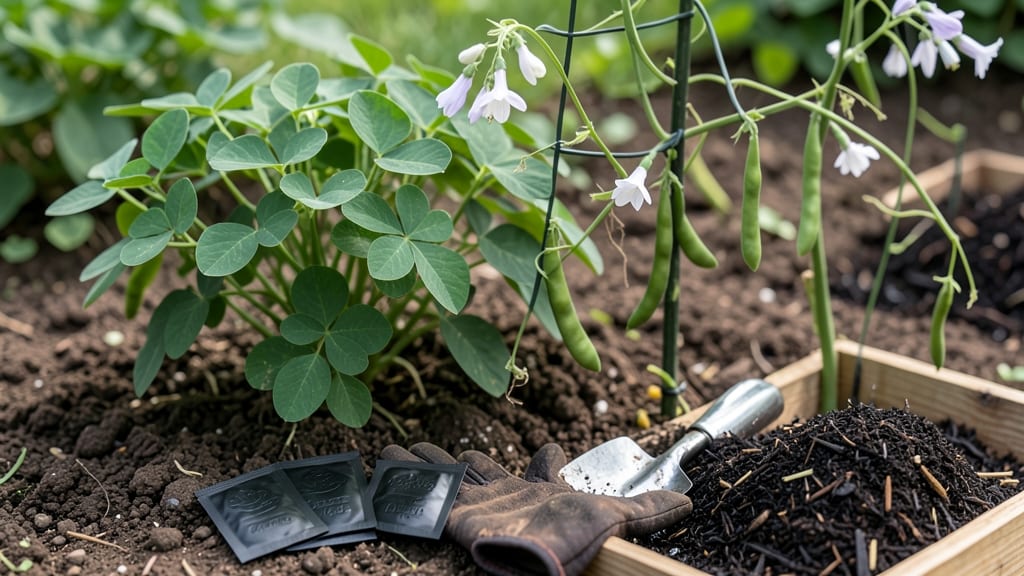
Timing your butter bean planting in North Carolina isn’t just about following a calendar—it’s about syncing with the land’s rhythm. These heat-loving legumes 🌱 demand patience, and getting the window wrong can mean bitter pods or wasted effort.
Most NC gardeners know the rule: wait until after the last frost, but that’s just the start. Soil temperature matters more—aim for 60°F or warmer, which typically lands in late April to early May for Heat Zone 7b. Skip this step, and your plants will languish.
I’ve seen firsthand how a 2-week delay can turn a thriving patch into a sad, stunted mess. But here’s the good news: with the right timing, you’ll harvest tender, sweet pods from July through October—just in time for summer meals.
Let’s break down exactly when to plant in your specific NC region, plus pro tips to stretch your growing season. You’ll learn how to avoid early frost traps and maximize every square foot of your garden.
Best planting dates for butter beans in NC heat zone 7b
North Carolina's Heat Zone 7b offers a perfect window for growing butter beans, but timing is critical. These heat-loving legumes need warm soil and consistent temperatures to thrive. Planting too early risks frost damage, while waiting too long can shorten your harvest season.
For most of NC, the ideal planting window starts after the last frost date, typically between late April and early May. This ensures your plants have 120-150 frost-free days to mature and produce pods before the first frost in October.
Butter beans also tolerate late summer plantings (around July) for a fall harvest. Just choose shorter-maturing varieties (60-75 days) to avoid late-season frost risks. Always check your local NC State Extension frost dates for precise timing in your area.
| Region | Last Frost | First Planting Window | Late Planting Window | Harvest Window |
|---|---|---|---|---|
| Raleigh | Mid-April | Late April - Early May | Early July | July - October |
| Charlotte | Late March | Early April - Mid-May | Mid-June | June - October |
| Asheville | Late April | Early May - Early June | Late June | July - September |
Soil temperature is just as important as air temperature. Butter beans won't germinate well in cold soil. Use a soil thermometer to confirm temperatures have reached at least 60°F before planting. In cooler NC regions like the mountains, wait until mid-May to avoid soil-related delays.
For container gardening, start seeds indoors 4-6 weeks before your last frost date. Transplant seedlings outdoors only after hardening them off and when nighttime temperatures stay above 55°F. Containers warm up faster than garden beds, so they can be planted slightly earlier.
If you're unsure about your local frost dates, rely on NC State Extension's interactive frost map. This tool provides hyper-localized data that accounts for NC's microclimates. For example, coastal areas like Wilmington have longer growing seasons than inland Piedmont regions.
Pro tip: Plant a test row of butter beans 2-3 weeks before your target date. If they thrive without frost damage, you can safely expand your planting. This method works especially well for late-summer varieties that need to mature quickly before fall frosts arrive.
Butter beans also benefit from warm-season companions like corn or cucumbers. These plants create a microclimate that retains heat, extending your growing season by a few weeks. Just avoid planting near alliums (onions, garlic), which can stunt their growth.
Remember: Butter beans are annuals with a 60-90 day harvest window. Plan your planting schedule to maximize yield—don't wait until July if you want a full-season harvest. With the right timing, you'll enjoy sweet, tender pods from midsummer through early fall!
Best planting dates for butter beans in NC heat zone 7b
North Carolina’s Heat Zone 7b offers a perfect window for growing butter beans, but timing is critical. These heat-loving legumes need consistent warmth to thrive, so planting too early risks frost damage, while late planting may cut your harvest short.
Aim for late April to early May in most NC regions to align with soil temperatures and frost-free conditions.
For Raleigh and surrounding areas, the last average frost date is around March 15-30, but wait until mid-April to plant. In Charlotte, slightly warmer microclimates allow for planting as early as early April, while Asheville’s cooler elevations may require waiting until late April to avoid frost risks.
| Region | Last Frost Date | Ideal Planting Window | Soil Temp Requirement |
|---|---|---|---|
| Raleigh | March 15-30 | Mid-April to early May | 60°F+ |
| Charlotte | March 1-15 | Early April to mid-May | 60°F+ |
| Asheville | April 1-15 | Late April to early June | 65°F+ |
Butter beans also tolerate late summer plantings in NC, especially for heirloom varieties with longer maturity dates. If you miss the spring window, consider planting in early July for a fall harvest, but choose varieties with 60-75 day maturity to avoid early frost.
Always check NC State Extension for localized frost forecasts before planting.
For containers or raised beds, extend your planting window by 2-3 weeks since these environments warm up faster. Just ensure your pots have drainage holes and use heat-retentive materials like black plastic mulch to maintain soil temperatures above 60°F.
Pro tip: Use a soil thermometer to confirm temperatures before planting. Butter beans won’t germinate well in cold soil, so don’t rush—wait for consistent warmth to maximize germination rates and plant vigor.
Remember, NC’s unpredictable summer weather can shift planting windows. Keep an eye on 7-day forecasts and adjust your schedule if late frosts or heatwaves threaten your young plants.