
Plants
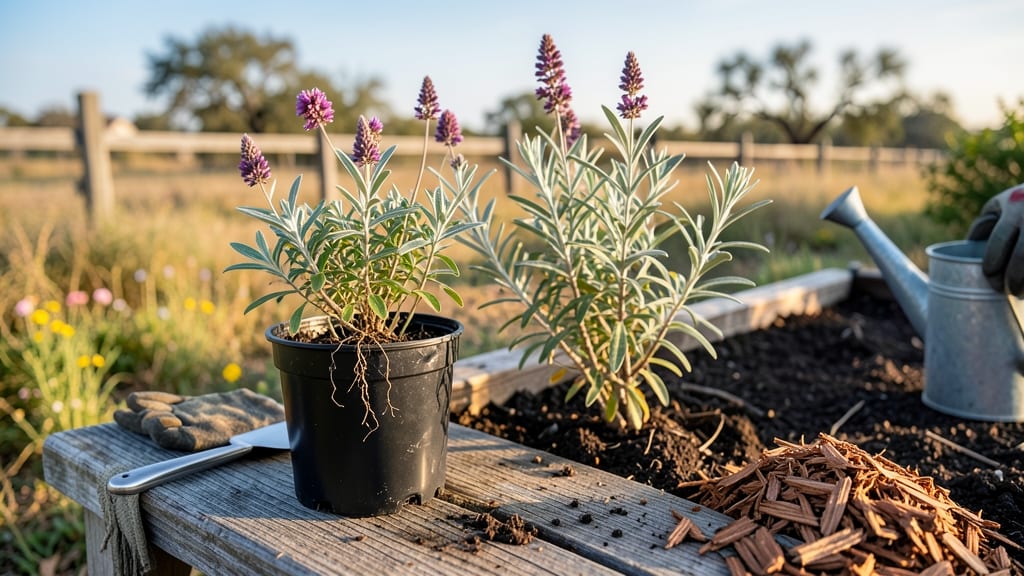
Planting bushes in Texas at the wrong time can turn your green thumb into a desert mirage—your shrubs wilting before they even take root. With USDA zones 8a-10b and microclimates ranging from scorching West Texas to humid coastal areas, timing isn’t just important—it’s everything.
Most gardeners know spring and fall are ideal, but Texas throws a curveball with its unpredictable freezes and brutal summer heat. Plant too early, and your 🌿 bushes might get fried by a late frost.
Wait too long, and you’ll battle heat stress before roots establish. The key? Understanding your exact last-frost date and heat zone—because what works in Dallas won’t cut it in Houston.
In this guide, I’ll break down the perfect planting windows for your region, from North Texas’ chilly February deadlines to South Texas’ extended fall opportunities. You’ll also discover how to adjust for urban heat islands, clay soil, and drought—so your bushes thrive, not just survive.
Ready to turn your yard into a lush, low-maintenance oasis? Let’s dive into the science of timing that’ll have your shrubs flourishing year-round.
Texas heat zone map: best planting months by region
Texas stretches across USDA Hardiness Zones 8a through 10b, creating wildly different planting windows from the Panhandle to South Texas. In Zone 8a (North Texas), your last frost typically hits February 15, while Zone 10b (South Texas) enjoys frost-free winters.
This means your spring planting window shifts from early March in the north to year-round in the south.
For most deciduous and flowering bushes, aim to plant after your last frost—usually March to April in North Texas and February to March in Central Texas. Evergreens, like Yaupon Holly, prefer fall planting (September–November) to establish roots before summer heat.
South Texas gardeners can plant almost anytime, but avoid peak summer months (June–August) to prevent transplant shock.
🌱
In Zone 10b, where frost is rare, you can plant year-round, but avoid July and August when 100°F+ temperatures stress young roots. For heat-sensitive bushes like Camellias, plant in fall or early spring to avoid summer heat.
Meanwhile, drought-tolerant natives, such as Texas Sage or Everblooming Yucca, thrive when planted in late winter or early spring.
Pro tip: Check your local AgriLife Extension office for precise frost dates—some years can vary by 2–3 weeks. For example, 2021’s late freeze in April caught many gardeners off guard. Always have frost cloth ready for late-season surprises.
🌡️
If you’re planting bare-root bushes, do it as soon as possible after purchase—they dry out quickly in Texas heat. For container-grown plants, you have more flexibility but still want to plant when soil temps are above 60°F.
In East Texas, where humidity is high, watch for fungal diseases like powdery mildew—choose resistant varieties or plant in well-draining soil.
For urban gardeners, city heat can push planting windows 2–3 weeks earlier than rural areas. If your yard is paved or concrete-heavy, amend soil with organic matter to help roots cool down. And always water deeply after planting to encourage root growth before summer hits.
💧
Remember: Fall planting is ideal for evergreens and woody shrubs because cooler temps and consistent rainfall help roots establish before summer. In North Texas, aim to plant 6–8 weeks before your first frost—usually by <
How to adjust planting timing for Texas microclimates
Texas isn’t just one climate—it’s a patchwork of urban heat islands, hill country elevations, and coastal humidity zones, each demanding different planting strategies. In North Texas cities like Dallas, pavement absorbs heat, pushing soil temperatures up to 10°F hotter than rural areas.
Meanwhile, West Texas’ El Paso faces extreme dryness, while Houston’s Gulf Coast battles sticky, humid summers. Adjusting your planting timeline based on these microclimates can mean the difference between a bush that thrives and one that struggles.
Start by identifying your local microclimate. Urban areas with concrete jungles? Plant 6-8 weeks earlier in spring to beat the heat. Hill country elevations (like Austin’s Barton Springs) can plant 2-3 weeks later than lowland areas because cooler nights slow early growth.
Coastal regions (Galveston, Corpus Christi) may need to delay spring plantings until mid-April to avoid fungal diseases from prolonged moisture. Always check your USDA zone (8a-10b) but remember—microclimates override general rules.
Here’s how to tweak timing for common Texas microclimates:
Soil stays 5-10°F warmer than rural areas. Plant evergreens like Yaupon Holly in late February and deciduous bushes like Crape Myrtle in March to avoid heat stress. Use 3+ inches of mulch to insulate roots.
Cooler nights delay planting. Start semi-dwarf bushes like Texas Sage in early April (2-3 weeks later than lowlands). Elevations above 2,000 ft may need frost protection until mid-May.
Delay planting until mid-April to avoid fungal diseases. Choose disease-resistant varieties like Mexican Petunia. Use drip irrigation to keep foliage dry and reduce humidity-related stress.
Plant drought-tolerant bushes like Desert Willow in October-November for fall/winter establishment. Spring plantings should start by early March to avoid extreme summer heat.
Humid summers favor shade-tolerant bushes like Dwarf Fountain Grass. Plant in February-March and provide afternoon shade during peak summer to prevent leaf scorch.
Extend your planting season with shade cloths (30-50% shade) for young bushes in urban heat zones, or use drip irrigation to keep roots cool during Texas’ brutal summers. For hill country gardens, group bushes with succulents or lavender to create a microclimate that retains moisture.
In coastal areas, elevate soil with raised beds to improve drainage and reduce fungal risks. Always monitor your plants’ leaf color—yellowing in urban areas often signals heat stress, while brown edges in coastal zones may indicate fungal issues.
Pro tip: Use a soil thermometer to check root-zone temperatures. Bushes thrive when soil stays between 60-75°F. If your soil hits 80°F+, delay planting until nighttime temps drop. With these microclimate adjustments, you’ll give your bushes the best possible start—no matter where in Texas you garden. 🌱