
Plants
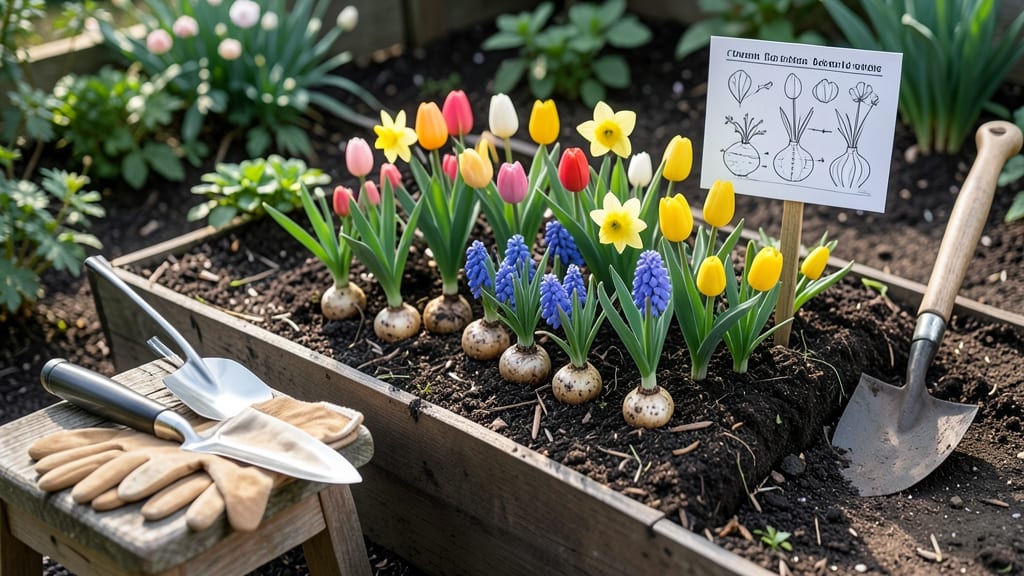
If you’ve ever stared at a bag of Spring Flowering Bulbs 🌷 wondering, "When to plant bulbs in Zone 8?"—you’re not alone. Getting the timing right is the difference between a garden bursting with color and a missed opportunity.
Zone 8’s mild winters mean you’ve got a narrow window to plant these beauties for spring blooms, and one wrong move can leave your bulbs struggling.
Most gardeners in Zone 8 swear by planting in fall (October-November), but the exact timing depends on your local frost dates and soil conditions. Too early, and bulbs might sprout before winter; too late, and they won’t establish roots in time.
I’ll break down the best months, how to adjust for coastal vs. inland climates, and the simple steps to ensure your bulbs thrive—no guesswork required.
Think you can just toss bulbs in the ground and forget about them? Think again. The key to success lies in soil prep, depth, and post-planting care—details that often get overlooked.
Whether you’re a first-time planter or a seasoned gardener, these actionable tips will help you avoid common mistakes and set your garden up for a showstopping spring display.
Ready to transform your yard into a vibrant canvas of tulips, daffodils, and more? Let’s dive into the exact steps to plant your bulbs at the perfect time—so you can enjoy the fruits (or rather, the flowers) of your labor come March.
Best months to plant bulbs in Zone 8 for spring blooms
In Zone 8, where winters are mild and frost arrives later than northern regions, timing your bulb planting correctly is key to avoiding rot or missed blooms.
Unlike colder zones, you’ve got a slightly extended window—but rushing or waiting too long can still spell disaster for your tulips, daffodils, and hyacinths. The magic happens when bulbs root in cool soil (below 60°F) but before the ground freezes solid.
Most gardeners in Zone 8 aim to plant bulbs 6-8 weeks before the first frost, typically landing in October or early November.
However, coastal areas with later frosts (like Zone 8b) may push planting into December, while inland regions (like Zone 8a) should start as early as September for early bloomers like crocuses and snowdrops.
Here’s the secret: Soil temperature, not air temperature, dictates success. Use a soil thermometer to confirm the ground has cooled to 50-60°F—this is your green light to plant.
In Zone 8, this usually aligns with late September to mid-November, but always check your local USDA frost dates for precision.
Pro tip: Fall-planted bulbs need time to establish roots before winter dormancy. If you’re in a warmer microclimate (like near the coast), bulbs may even sprout early—so choose varieties with longer dormancy periods, like daffodils or alliums, to avoid premature blooming.
Zone 8 Bulb Planting Timeline
| Month | Soil Temp Goal | Best Bulbs to Plant | Key Cue |
|---|---|---|---|
| September | 55-60°F | Crocuses, Snowdrops, Early Tulips | Soil cools below 60°F |
| October | 50-55°F | Daffodils, Hyacinths, Standard Tulips | Daytime temps drop to 70°F |
| November | 45-50°F | Late Tulips, Alliums, Fritillaries | First light frost risk |
| December | 40-45°F (coastal only) | Hardy Bulbs (e.g., Grape Hyacinths) | Ground not yet frozen |
⚠️ Note: Adjust for early/late frosts—check your local National Weather Service data.
While fall planting is the gold standard for spring blooms, Zone 8 gardeners can also try winter planting in January for late-season varieties like iris or lily bulbs.
The key is to plant when soil temps hover around 40-50°F—just cold enough to prevent premature sprouting but warm enough for root growth.
One common misconception is that Zone 8’s mild winters mean bulbs can be planted anytime. But rushing too early (like August) risks rot from warm soil, while waiting until December may leave bulbs vulnerable to freezing before roots establish.
Strike that balance, and you’ll reward yourself with bold spring displays year after year.
For container gardening, the rules shift slightly. Potted bulbs can go in 1-2 weeks earlier than in-ground plantings since they warm up faster. Just ensure pots have drainage holes and use a lightweight potting mix to prevent waterlogging during winter rains.
Remember: Bulb depth matters just as much as timing. In Zone 8, plant most bulbs 6-8 inches deep (twice the bulb’s height) to protect them from temperature swings and rodent nibbling.
Smaller bulbs (like snowdrops) can go 3-4 inches deep, while giant dahlias may need 8-12 inches of coverage.
Finally, mulch is your best friend in Zone 8. After planting, top the soil with 2-3 inches of straw or shredded leaves to insulate bulbs from freeze-thaw cycles. This extra layer can push your planting window 1-2 weeks later without risking bulb damage.
With these Zone 8-specific tips, you’ll transform your garden into a spring bloom paradise—no guesswork required. 🌷
Best months to plant bulbs in Zone 8 for spring blooms
Zone 8 gardeners enjoy a unique advantage: mild winters that extend the bulb planting window compared to colder zones. Unlike northern regions where bulbs must go in by October, you’ve got flexibility—but timing still matters.
The ideal window spans from mid-October to December, with October and November being the sweet spot for most spring-blooming bulbs like tulips and daffodils.
Your goal is to plant bulbs 6-8 weeks before the ground freezes (typically mid-December in Zone 8). This gives roots time to establish before winter dormancy. Coastal areas may push planting slightly later, while inland zones should aim earlier to account for colder snaps.
Think of it as a race against frost—not the calendar.
| Bulb Type | Ideal Planting Month | Soil Temp Threshold | Key Cue |
|---|---|---|---|
| Tulips | October - November | 50-60°F | Before first frost |
| Daffodils | November - December | 45-55°F | After soil cools below 60°F |
| Crocuses | September - October | 60-65°F | Early frost risk areas |
| Hyacinths | October - November | 55-60°F | Before ground freezes |
Soil temperature is your secret weapon. Use a soil thermometer to confirm conditions—bulbs need consistent temps below 60°F to trigger dormancy. In Zone 8, this usually happens by late October.
Pro tip: Plant tulips and hyacinths slightly earlier (October) since they’re less cold-hardy than daffodils or crocuses, which can handle cooler soil.
Don’t overlook microclimates in your garden. South-facing beds warm faster and may need bulbs planted 1-2 weeks earlier than north-facing spots.
If you’re unsure about frost dates, check your local USDA Plant Hardiness Zone Map or ask your county extension office for precise data tailored to your specific location within Zone 8.
Once you’ve nailed the timing, focus on planting depth—typically 6-8 inches deep, or 3x the bulb’s height. This ensures roots have space to spread while protecting them from freeze-thaw cycles. Mulch with 2-3 inches of straw after planting to insulate bulbs through winter’s mildest freezes.
Remember: The earlier you plant within the window, the stronger your blooms will be next spring. But don’t stress if you miss the boat—some bulbs, like daffodils, can even be planted in early winter as long as the ground isn’t frozen solid. 🌷