
Plants
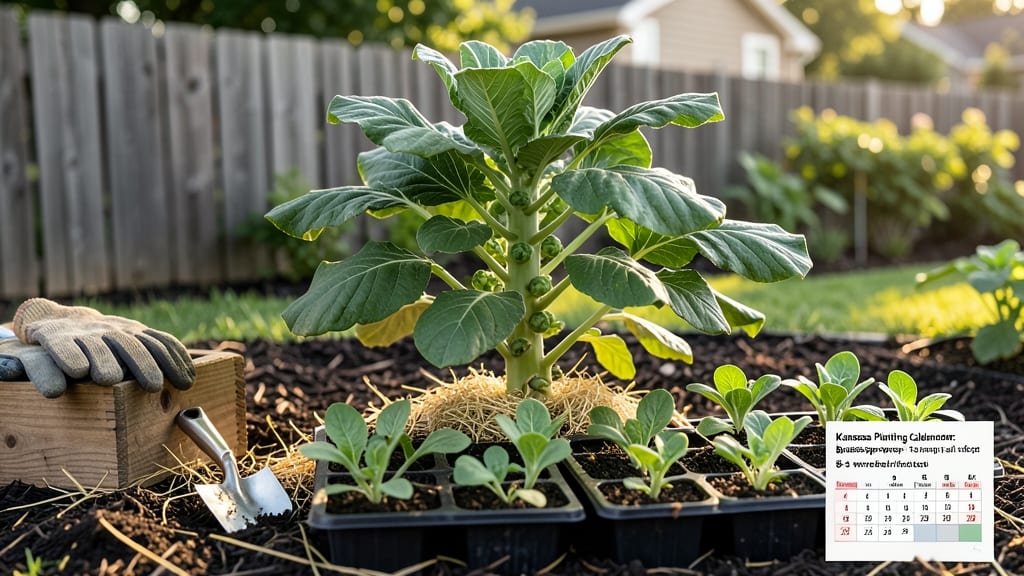
Timing your Brussel sprouts 🥦 planting in Kansas isn’t just about the calendar—it’s about outsmarting the weather to avoid bitter, stunted harvests. Plant too early, and you’ll trigger bolting; too late, and your plants won’t mature before frost.
The secret weapon? Understanding your zone’s frost dates and adjusting for Kansas’ unpredictable swings between drought and sudden chills.
Most gardeners in USDA Zone 6a know spring and fall are the only safe windows—but even then, a 5-day delay can mean the difference between a lush crop and a wasted effort.
I’ll break down exactly when to start seeds indoors, when to transplant seedlings, and how to stretch your growing season with simple tricks that actually work in Kansas’ climate.
Whether you’re a first-timer or a veteran gardener, getting this right means bigger, sweeter sprouts that stay crisp through winter. Let’s dive into the frost-date math that’ll have your Brussels thriving when others are struggling—and how to troubleshoot when Mother Nature throws you a curveball.
You’ll leave here knowing not just when to plant, but why those dates matter, plus how to tweak your approach for early or late seasons. No more guesswork—just a foolproof plan for Kansas gardens.
Kansas frost dates and ideal planting windows for Brussel sprouts
Kansas’ USDA Hardiness Zones 5-7 create a perfect cool-season environment for Brussel sprouts, but timing is everything. The average last frost date hovers around April 15, while the first frost typically arrives October 15.
These dates define your planting windows—miss them, and you’ll face bolting (premature flowering) or frost damage.
For a successful harvest, aim to plant 4-6 weeks before your first frost in fall or after the last frost in spring.
This means mid-April to early May for spring crops and late July to early August for fall plantings. Early varieties mature faster, while late varieties need more time to sweeten before winter sets in.
Kansas’ variable climate demands flexibility. In Zone 5 (northern KS), plant 2-3 weeks later than Zone 7 (southern KS) to avoid early frosts. Soil temperature should be at least 45°F (7°C) before sowing—use a soil thermometer to check. Cold soil slows germination and invites rot.
Here’s the golden rule: Brussel sprouts thrive in cool weather (50-75°F). Plant too early, and they’ll bolt; too late, and they’ll struggle to mature. Fall plantings often yield sweeter sprouts because the cool nights enhance flavor. But if summer heat lingers, opt for shade cloth or succession planting.
| Planting Window | USDA Zone 5 (Northern KS) | USDA Zone 6-7 (Central/Southern KS) | Key Notes |
|---|---|---|---|
| Spring Planting | Late April–May 10 | Mid-April–early May | Use row covers for early starts; harvest by July. |
| Fall Planting | Late July–early August | Late July–mid-August | Best for sweetest sprouts; protect with mulch. |
| Succession Planting | Every 3 weeks (May–June) | Every 3 weeks (April–July) | Extends harvest; ideal for late-summer crops. |
| Harvest Window | October–December | October–December | Harvest before hard frosts; sprouts sweeten after frost. |
In Zone 5, where frosts linger longer, start seeds indoors in March and transplant after the last frost. Use black plastic mulch to warm soil faster.
For Zone 7, you can plant directly into the garden as early as mid-March if soil is workable, but cover seedlings with frost cloth for safety.
Pro tip: Fall plantings in Kansas often outperform spring ones because the cool nights prevent bolting. Aim to harvest before hard frosts (below 20°F), but a light frost actually sweetens the sprouts! Just avoid heavy freezes that damage the plant.
For container growing, plant in late May to avoid early frosts. Containers warm up faster, so monitor soil moisture closely—drought stress makes sprouts bitter. Use a self-watering pot to maintain consistency.
Remember: Brussel sprouts need 90+ days to mature. If you’re in Zone 5 and plant in early July, your harvest won’t be ready until late October—just in time for Kansas’ first frosts. Plan ahead to avoid disappointment!
🌱
How to adjust planting for Kansas’ unpredictable weather patterns
Kansas’ unpredictable weather can throw off even the most careful gardener. Heat waves in May or early frosts in September mean you’ll need flexible strategies to protect your Brussel sprouts.
The key is soil temperature checks—wait until the ground reaches 45°F (7°C) before planting, even if air temps are warmer.
For early starts, use row covers or cold frames to extend your planting window by 2-3 weeks. This is especially helpful in USDA Zone 6a areas where spring can be slow to warm up. Just remove covers when daytime temps hit 70°F (21°C) to avoid overheating.
Soil Temp Check
Use a soil thermometer—plant when soil hits 45°F (7°C) for 3+ days.
Row Covers
Extend spring planting by 2-3 weeks with floating row covers.
Succession Plant
Stagger plantings every 2 weeks for continuous harvests.
Frost Protection
Use black plastic mulch to delay fall frosts by 10-14 days.
If late summer heat arrives early, prioritize shade cloth (30-50%) to prevent bolting. I’ve seen Brussel sprouts go from perfect to bitter in days when temps hit 85°F (29°C)—so monitor forecasts closely.
For fall crops, plant late July to early August to ensure sprouts mature before first frost (usually October 15).
In western Kansas (Zone 6a), where drought is common, mulch heavily with straw or wood chips to retain moisture. Eastern areas (Zone 7) can handle slightly later plantings, but always account for 100+ days to maturity.
For container growing, use 5-gallon pots and move them to shaded areas during heatwaves.
Pro tip: Keep a planting journal to track your local microclimate. Note when soil warms, when frosts hit early, and adjust next year’s schedule. Even a 1-week shift can mean the difference between bolted greens and plump, flavorful sprouts.