
Plants
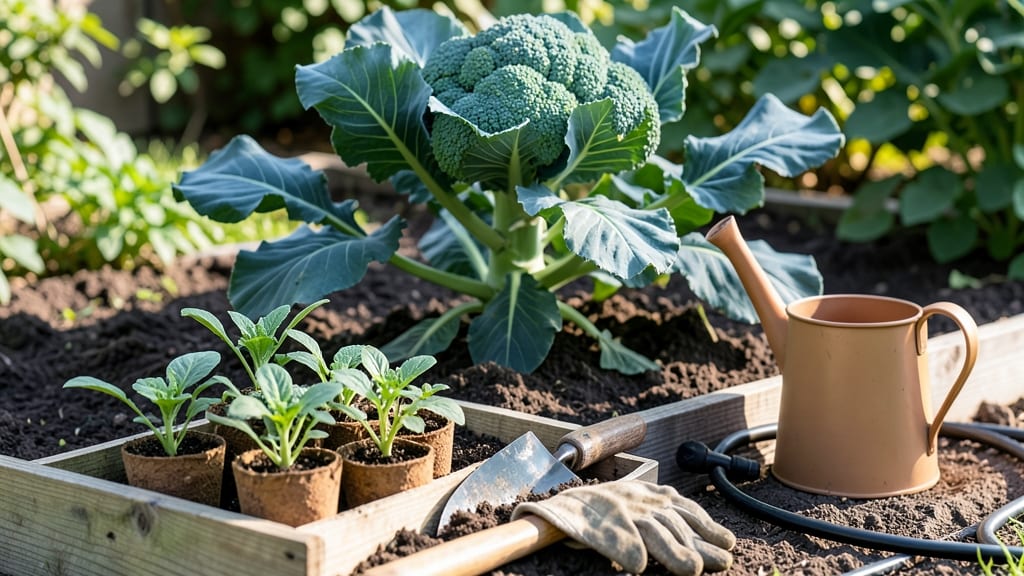
Figuring out when to plant broccoli in Zone 9 can feel like solving a puzzle—too early, and the heat sends your 🥦 racing toward bolting; too late, and you miss the sweet spot for harvest.
But here’s the secret: timing isn’t just about dates—it’s about reading your microclimate, whether you’re in inland deserts or coastal breezes.
In Zone 9, where frost is a rare guest, broccoli thrives in the cooler months, but the real trick lies in avoiding summer’s scorching temperatures. Planting in late fall (October-November) or early spring (February-March) gives your plants the ideal 60-70°F growing window they crave.
This isn’t just theory—it’s how gardeners in Southern California and Arizona consistently pull off year-round harvests.
What sets successful growers apart? They adjust for their specific corner of Zone 9. Coastal areas might push planting slightly later, while inland zones need shade cloth to protect young seedlings from sudden heat spikes. The goal? Keep your broccoli cool enough to grow heads, not flowers.
Ready to unlock the full potential of your broccoli patch? I’ll walk you through the exact planting windows, microclimate tweaks, and variety choices that make the difference between a bountiful harvest and a bolting disappointment. Let’s get started.
Best planting windows for broccoli in Zone 9 by season
Zone 9’s warm climate makes broccoli planting timing critical—too early, and your plants bolt in the heat; too late, and you miss the harvest window. The key is planting during cool seasons when daytime temps stay between 60-70°F (15-21°C).
This means focusing on fall and winter plantings, with spring options for heat-tolerant varieties.
For most broccoli varieties like 'Calabrese' or 'De Cicco', the ideal planting window is October through November. This gives your plants time to establish roots before winter’s mild temperatures. Spring plantings work too—aim for February to early March—but avoid planting after March 15 to prevent summer bolting.
Zone 9’s microclimates play a huge role. Coastal areas (like San Diego) can plant slightly later than inland desert regions (like Phoenix). Coastal areas might extend fall plantings into early December, while inland growers should finish by mid-November to avoid heat stress.
Here’s a quick breakdown of your planting windows by season, including soil temperature thresholds and heat tolerance tips:
| Season | Planting Window | Soil Temp (°F) | Daytime Temp (°F) | Heat Tip |
|---|---|---|---|---|
| Fall | October–November | 55–65°F | 60–75°F | Use shade cloth if temps rise above 75°F |
| Winter | December–January | 50–60°F | 50–65°F | Perfect for slow growth—avoid fertilizing |
| Spring | February–March | 55–65°F | 60–70°F | Plant heat-tolerant varieties like 'Tasty Bountiful' |
| Late Spring | After March 15 | N/A | Above 75°F | Risk of bolting—avoid planting |
If you’re using seedlings instead of direct sowing, time your transplants carefully. Purchase 6-week-old seedlings from nurseries in September for fall plantings or January for spring. Harden off seedlings for 7–10 days before transplanting to reduce shock.
For direct sowing, start seeds indoors 6–8 weeks before your target outdoor planting date. Use seed trays with a grow light to avoid leggy seedlings. Transplant outdoors when seedlings have 4–6 true leaves and soil temps are stable.
Pro tip: Succession planting works well in Zone 9. Sow a second batch of seeds in late January for a spring harvest before summer heat sets in. This ensures you’re not left without broccoli for months!
Monitor your local frost dates (even in Zone 9, rare frosts can occur in desert areas). If a frost warning pops up, cover young plants with frost cloth or a lightweight blanket to protect tender leaves.
Finally, keep an eye on your broccoli’s maturity timeline. Most varieties take 50–80 days to harvest. Planting in October typically yields harvests by December–January, while February plantings mature by April–May—just before summer heat peaks.
Best planting windows for broccoli in Zone 9 by season
Zone 9’s mild winters and hot summers make broccoli planting timing all about avoiding heat stress and bolting. Unlike cooler climates, you’ll focus on fall and winter plantings to align with broccoli’s 60-70°F (15-21°C) ideal temperature range. Spring plantings are possible but risk summer heat before harvest.
For fall harvests, start seeds or transplant 6-8 weeks before your first frost—though Zone 9 rarely freezes, aim for late September to early November. This gives broccoli time to mature before winter temperatures dip below 50°F (10°C), which can slow growth.
Spring plantings are trickier but work if you start late January to early March for a May-July harvest. Use shade cloth (30-50%) to protect seedlings from spring heat spikes that can exceed 80°F (27°C), triggering bolting.
| Season | Planting Window | Ideal Varieties | Harvest Window | Temperature Tips |
|---|---|---|---|---|
| Fall | Late Sept–Early Nov | 'De Cicco', 'Calabrese' | Dec–Apr | Avoid >75°F (24°C) |
| Winter | Jan–Feb | 'Green Goliath' | Mar–May | Use row covers for <50°F (10°C) |
| Spring | Late Jan–Early Mar | 'Waltham 29' | May–July | Shade cloth for >80°F (27°C) |
Inland Zone 9 areas (like Phoenix or Las Vegas) face more extreme heat, so prioritize fall plantings and use drip irrigation to keep soil consistently moist. Coastal regions (e.g., San Diego or Los Angeles) have milder microclimates, allowing extended spring plantings into early April.
For transplants vs. seeds, seedlings give you a 2-3 week head start—ideal for fall. Start seeds indoors 4-6 weeks before outdoor planting or buy 6-inch transplants from nurseries specializing in cool-season crops. Avoid summer direct sowing; broccoli seeds won’t germinate well above 85°F (29°C).
Pro tip: Succession plant every 2-3 weeks in fall to stagger harvests. This ensures a continuous supply of fresh broccoli from December through April, even in Zone 9’s mild winters.