
Plants
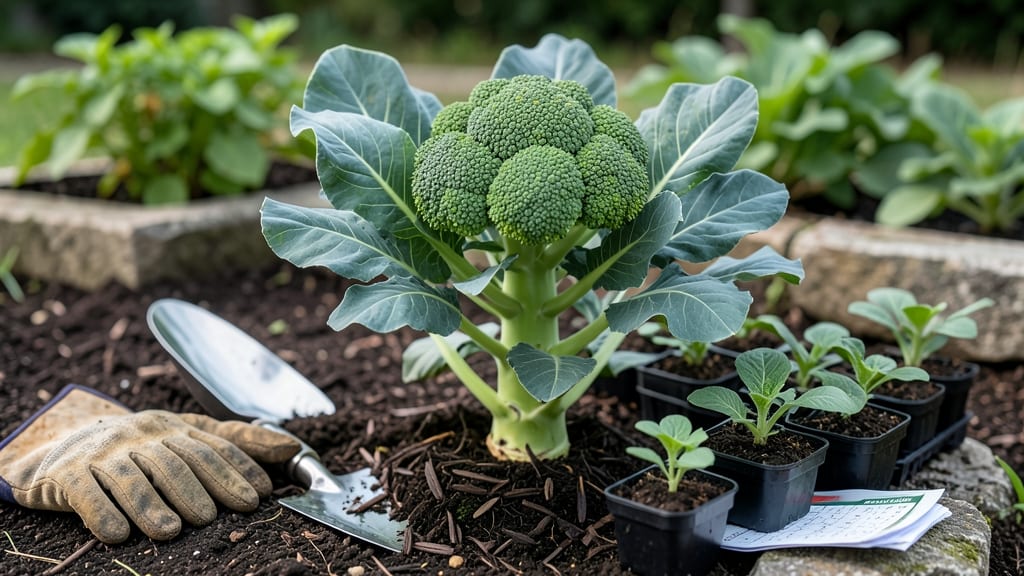
The perfect time to plant broccoli in Texas isn't just about the calendar—it's about beating the heat and avoiding frost. Whether you're in North Texas or South Texas, getting this right means the difference between a thriving 🥦 harvest and a sad, wilted disappointment.
Texas gardeners know that broccoli hates extreme heat and loves cooler weather, so timing is everything. Plant too early, and frost can ruin your crop; too late, and your plants will bolt or struggle in the summer sun.
The key is planting in fall or early spring, when temperatures are just right for germination and growth.
In zones 8a-10b, the ideal window is September-October for fall planting and February-March for spring. But don’t worry—we’ll break down exactly when to plant based on your specific region, so you can avoid common mistakes and get the most out of your garden.
Ready to grow broccoli like a pro? Let’s dive into the exact dates, soil prep tips, and heat-management tricks that’ll help your plants thrive—no matter where in Texas you live.
Texas heat Zone planting calendar: exact broccoli dates by region
Texas' diverse climate zones (8a through 10b) mean broccoli planting dates vary wildly—from North Texas' chilly winters to South Texas' balmy springs. Get the timing wrong, and you’ll either lose plants to early frost or watch them bolt in the heat.
The key? Planting 4-6 weeks before your first frost for fall harvests, and 60-80 days before your last frost for spring. Let’s break it down by region.
For North Texas (Dallas/Fort Worth, Zone 8a-8b), aim for mid-September to early October for fall planting—this gives broccoli time to mature before first frost (mid-January). Spring planting should start February 15-March 1, with last frost around March 15. Soil temps must stay above 40°F for germination.
Central Texas (Austin, Zone 8b-9a) gardeners have slightly more flexibility. Plant late August to mid-September for fall crops, harvesting by December before light frosts (late November). Spring planting works from late February to early March, with last frost around March 1. Avoid planting after April 15—heat stress kicks in fast!
In South Texas (Houston/San Antonio, Zone 9a-10a), fall planting stretches from mid-September to early October, with harvests through December. Spring planting is February 1-March 15, but watch for unpredictable late frosts (early February). Soil temps here rarely drop below 50°F, so germination is faster.
West Texas (El Paso, Zone 7b-8a) is trickier—plant late August to early September for fall, harvesting by November before first frost (mid-November). Spring planting is March 1-April 1, but extreme heat arrives by May, so avoid late plantings. Use shade cloth if extending the season.
🌱Pro Tip: Always check your local frost dates (use Texas A&M AgriLife Extension maps) and adjust by 2-3 weeks if your microclimate runs cooler or warmer than the average.
💡Soil Prep Matters: Broccoli thrives in well-draining soil with a pH of 6.0-7.0. Work in 2-3 inches of compost before planting, and ensure soil temps are at least 40°F for germination. In heavy clay soils (common in East Texas), amend with sand or peat moss to improve drainage.
🌡️Heat Stress Warning: Broccoli bolts (goes to seed) when temps exceed 85°F for 3+ days. If planting in late spring (April-May), use shade cloth (30-50%) and drip irrigation to keep plants cool. Varieties like 'Waltham 29' tolerate heat slightly better than others.
📅Success Hack: For a year-round supply, stagger plantings every 2-3 weeks in fall and 3-4 weeks in spring. This ensures a continuous harvest without overwhelming your garden at once. Pair broccoli with basil or marigolds to deter pests and improve flavor!
How to extend broccoli season in Texas: cooling tricks for hot climates
Texas summers can turn your broccoli plants into sad, wilted souvenirs faster than you can say "100°F." But don’t let the heat scare you off—with the right tricks, you can extend your broccoli season and enjoy fresh harvests well beyond the ideal fall planting window.
The key? Keeping roots cool, leaves shaded, and moisture consistent. Let’s dive into my top heat-beating strategies that actually work in Texas gardens.
First, shade cloth is your best friend. A 30-50% shade cloth can drop soil temperatures by 10-15°F, giving your broccoli the cool conditions it craves. I’ve seen gardeners in Houston and San Antonio use it to push harvests into late spring when temps would otherwise fry their plants.
Just remember: white or silver cloth reflects the most heat, while black absorbs it—so skip the dark options!
Mulching is another game-changer. A thick layer of straw or wood chips (3-4 inches deep) acts like a blanket, keeping soil temps stable and moisture locked in. I swear by straw mulch in my Austin garden—it’s cheap, easy to apply, and reduces watering by up to 30%. Plus, it breaks down slowly, feeding the soil as it works its magic.
🌱 Pros & Cons: Extending Broccoli Season in Texas
✅ DO THIS
- Use 30-50% shade cloth to block excess heat
- Mulch with straw to retain moisture and cool soil
- Water deeply in mornings to reduce evaporation
- Plant heat-tolerant varieties like 'Waltham 29'
- Use drip irrigation for precise water delivery
❌ AVOID THIS
- Plant in peak summer heat (above 90°F)
- Skip mulching—soil stays too hot
- Water at night—promotes fungal diseases
- Use black plastic mulch—traps heat instead of cooling
- Overcrowd plants—reduces airflow and heat stress
Don’t overlook drip irrigation. It delivers water right to the roots where it’s needed most, reducing waste by 50% compared to overhead sprinklers. I set my system to run for 15-20 minutes twice daily during 100°F+ stretches, and my broccoli stays perky while my neighbors’ bolt to seed.
Pro tip: Add a timer to avoid overwatering—broccoli hates soggy roots!
For a double whammy of cooling, try companion planting. Pair your broccoli with basil or marigolds, which shade the soil and repel pests. I’ve also had success with radishes—they grow fast, mark rows, and their shallow roots don’t compete with broccoli’s deeper needs.
Plus, the radish greens are edible, so it’s a win-win!
If you’re really pushing limits, consider a mini greenhouse or cold frame for late-spring plantings. Even a simple hoop house with row cover can add 2-4 weeks to your growing season.
I built a low-cost frame from PVC pipes and plastic sheeting for my El Paso garden, and it let me harvest broccoli in early May when most gardens were still dormant.
Remember: patience is key. Broccoli grown in hotter conditions will mature slower, but with these tricks, you can coax a second harvest when others are giving up. Start with one row as a test, tweak your methods, and soon you’ll be the Lone Star State’s broccoli whisperer! 🌱