
Plants
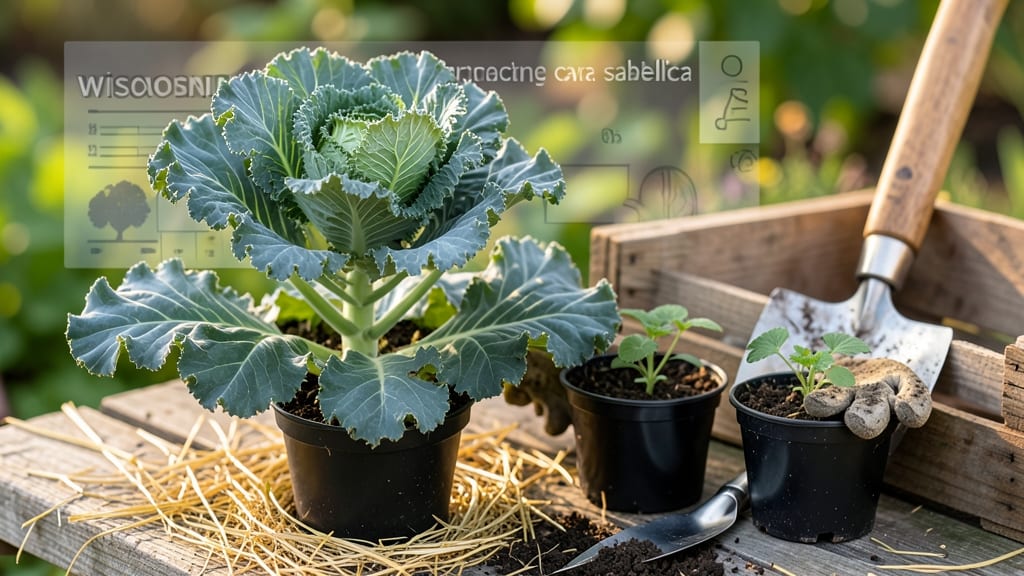
When to plant brassicas in Wisconsin is the key to turning your garden into a thriving, frost-resistant feast—or watching your broccoli, cabbage, and kale wilt under unexpected cold snaps. With USDA zones 3-5 and unpredictable spring frosts, timing these hardy greens just right makes all the difference. But here’s the good news: Wisconsin’s cool climate actually works in your favor for growing these resilient vegetables. Whether you’re a first-time gardener or a seasoned green thumb, knowing the exact planting windows for spring and fall will give you a steady harvest from summer through early winter.
I’ll break down the perfect schedule for your favorite brassicas—from frost-resistant varieties to succession planting tips—so you can enjoy homegrown veggies without the guesswork. Let’s get those 🌱 seeds in the ground at the right time!
Ready to master Wisconsin’s brassica timeline? You’ll learn which varieties thrive best in your zone, how to protect young plants from late frosts, and when to start your fall crops for a second harvest. No more wasted effort—just a garden bursting with flavor.
Wisconsin’s brassica planting timeline by frost zone & variety type
Wisconsin’s USDA zones 3-5 demand precision when planting brassicas like broccoli, cabbage, and kale. The key is working with—not against—the state’s late springs and early falls. Most gardeners aim for two planting windows: early spring (as soon as soil thaws) and late summer (8-10 weeks before first frost).
For northern Wisconsin (zones 3-4), start seeds indoors 6-8 weeks before your last frost date (typically mid-April for zone 3). Transplant outdoors after soil reaches 45°F and nighttime temps stay above 30°F.
Southern Wisconsin (zone 5) can push this timeline slightly earlier, but frost risks remain real until mid-May.
Here’s the critical timeline for Wisconsin gardeners, broken down by plant type and frost zone. Use this as your guide to avoid bolting or frost damage:
| Plant Type | Zone 3 (Northern WI) | Zone 4 (Central WI) | Zone 5 (Southern WI) | Notes |
|---|---|---|---|---|
| Broccoli | Direct sow late April–May; transplant May 15–June 1 | Direct sow early May–June; transplant May 1–May 15 | Direct sow April–May; transplant April 15–May 1 | Early varieties like 'De Cicco' handle cold best |
| Cabbage | Transplant May 1–June 1; late sow July 1–Aug 15 | Transplant April 20–May 15; late sow June 15–July 15 | Transplant April 1–May 1; late sow June 1–July 1 | 'Golden Acre' resists bolting in heat |
| Kale | Direct sow April–May; late sow July–Aug | Direct sow March–April; late sow June–July | Direct sow February–March; late sow May–June | 'Winterbor' sweeter after frost |
| Brussels Sprouts | Transplant May 1–June 1 only | Transplant April 15–May 15 | Transplant April 1–May 1 | Long season; harvest after first frost |
For fall brassicas, aim to transplant 8-10 weeks before your average first frost (typically mid-September for zone 3, late October for zone 5). This means starting seeds indoors in mid-July for northern WI or early July for southern WI.
Use row covers to extend harvests into winter for hardy varieties like kale.
Succession planting is your secret weapon in Wisconsin. After harvesting early brassicas, replant with fast-maturing varieties like 'Tokyo Bekana' cabbage (ready in 50 days) to keep the harvest rolling. Space plantings 2-3 weeks apart from May through July for continuous yields.
Pro tip: Check Wisconsin’s local frost dates annually—they shift with climate change. Use the University of Wisconsin Extension’s frost calculator as your go-to resource. Even a 2-week shift can mean the difference between a thriving crop and a frozen disappointment.
Remember, soil temperature matters more than air temperature. Use a soil thermometer to confirm 45°F+ before planting—cold soil slows germination and invites rot. Amend heavy Wisconsin clay with compost to improve drainage and warmth retention.
🌱
Cold-hardy brassica varieties that thrive in Wisconsin’s early & late plantings
Wisconsin’s cool, short growing season demands frost-resistant brassicas that can handle both early springs and late falls. I’ve grown ‘Winterbor’ kale for 5 winters—it survives -20°F with minimal protection! The key is choosing varieties bred for cold tolerance and adjusting planting methods based on your last frost date.
For early spring plantings (March-April), prioritize direct-sown varieties like ‘Golden Acre’ cabbage or ‘Windsor’ F1 broccoli. These tolerate light frosts and establish quickly in 45-60°F soil.
In northern Wisconsin (USDA Zone 3), I start these 4-6 weeks before my average last frost—usually by April 15—using black plastic mulch to warm the soil faster.
- ✅ Hardier plants (less transplant shock)
- ✅ Better for late fall plantings (Sept-Oct)
- ✅ Variety-specific timing control
- ❌ Slower establishment in cool soils
- ❌ Harder to space evenly
- ✅ Faster maturity (2-3 weeks head start)
- ✅ Wider variety selection
- ✅ Better for early spring (March-April)
- ❌ Higher cost
- ❌ Risk of transplant shock in heat
My go-to late-season varieties include ‘Napa’ cabbage (holds color until 25°F) and ‘Top Bunch’ broccoli, which I plant August 1-September 15 for fall harvests. These handle Wisconsin’s humid summers better than southern varieties, thanks to their bolting resistance.
For Brussels sprouts, ‘Long Island Improved’ is my top pick—it matures in 120 days, giving me time to harvest before hard frosts.
Pro tip: Use row covers for 2-3 weeks after transplanting to protect young plants from late spring frosts (common in Wisconsin’s Zone 4-5). I’ve saved entire cabbage starts this way!
For fall plantings, focus on varieties like ‘Red Russian’ kale—they sweeten after frost, making them perfect for Wisconsin’s first hard freeze (usually October 15-November 1).
One mistake I see often? Planting heat-sensitive varieties like ‘Calabrese’ broccoli too late. It bolts by 75°F—Wisconsin’s July temps will ruin it. Instead, opt for ‘De Cicco’ broccoli, which tolerates 85°F and produces side shoots for extended harvests.
Pair this with drip irrigation to maintain consistent soil moisture during our dry summers.
For succession planting, stagger plantings every 2-3 weeks from April through July. This ensures a continuous harvest until our first frost. My late-July plantings of ‘Blue Lake’ cabbage often survive until December with minimal protection—just a straw mulch layer over the crown.
The secret? Cold-hardy varieties + proper timing beat Wisconsin’s climate every time. 🌿