
Plants
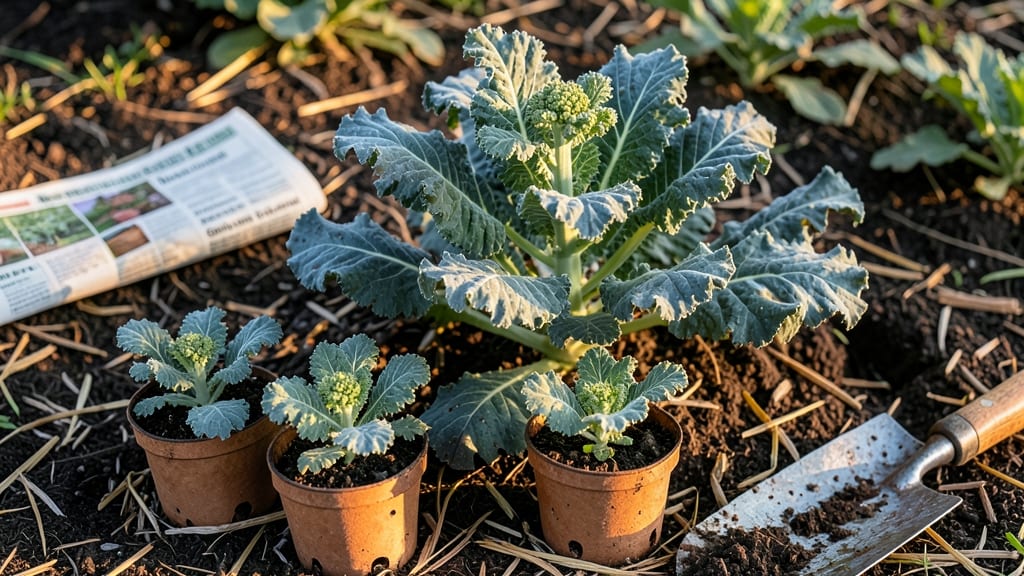
Timing when to plant brassicas in Michigan just right could mean the difference between a thriving garden and a sad, bolted disappointment—especially when those unpredictable frosts roll in.
With Michigan’s USDA zones 5a-6b and last frost dates hovering around mid-April, knowing the exact windows for planting kale, cabbage, and broccoli is key to a bountiful harvest.
I’ve spent years testing the best strategies for Michigan gardens, and the secret isn’t just about planting early—it’s about choosing the right varieties and understanding how to stretch your growing season.
Whether you’re sowing seeds in early spring or prepping for a late-summer harvest, the timing has to be precise to avoid stunted growth or early bolting.
In this guide, I’ll break down the optimal planting windows for your favorite brassicas, including frost-resistant varieties that thrive in Michigan’s climate.
You’ll learn how to time your plantings for both spring and fall harvests, plus tips to extend your growing season so you can enjoy fresh greens well into September.
Ready to transform your garden into a brassica powerhouse? Let’s dive into the exact dates and techniques that will give you the harvest you’ve been dreaming of—no guesswork required.
Michigan’s brassica planting calendar: exact dates by variety and frost zone
Michigan’s USDA zones 5-6 mean brassicas like kale, cabbage, and broccoli can thrive with the right timing. The key is planting 4-6 weeks before your area’s last frost date, which typically falls between mid-April in southern Michigan and early May in the north.
For fall crops, aim for late July to early August to ensure harvest before first frost in mid-October.
Brassicas are cool-season crops, so they handle Michigan’s early spring and late summer temperatures better than summer heat. However, bolting (premature flowering) can occur if planted too early or too late. Choosing frost-resistant varieties and using row covers can extend your growing season significantly.
Below is a planting timeline tailored to Michigan’s climate, broken down by variety and frost zone. Whether you’re growing leafy greens like kale or heading varieties like cabbage, these dates will help you maximize your harvest.
For northern Michigan (zone 5a), start seeds indoors by late February to transplant outdoors after the last frost. In southern Michigan (zone 6b), you can sow seeds directly into the garden as early as March 1 for a head start.
Always check your local Michigan State University Extension frost date maps for precise timing.
If you’re new to brassicas, leafy varieties like kale and collard greens are the easiest to grow. They tolerate cooler temperatures and can even survive light frosts, making them ideal for Michigan’s early spring and late fall gardens.
Heading varieties like cabbage and broccoli require more precise timing but reward you with longer storage life and higher yields.
To avoid bolting, never let your brassicas dry out. Keep the soil consistently moist but not waterlogged, especially during the hot summer months. Mulching with straw or shredded leaves helps retain moisture and regulate soil temperature, which is crucial in Michigan’s unpredictable weather.
For fall planting, focus on varieties that mature quickly, such as baby kale or mini cabbage. These can be sown as late as early August and still produce harvests before the first frost.
Use black plastic mulch to warm the soil and extend the growing season by 2-3 weeks.
Remember, Michigan’s microclimates can vary significantly. If you live near Lake Michigan, for example, you may experience later frosts due to the lake effect. Adjust your planting dates accordingly, and always be prepared to protect young plants with row covers or cloches if frost threatens.
With these exact planting dates and frost-resistant varieties, you’ll enjoy a bountiful brassica harvest from spring through fall—no bolting or stunted growth in sight! 🥬
How to extend brassica growing seasons in Michigan’s short summers
Michigan’s short growing season often leaves gardeners scrambling to squeeze in brassica harvests before frost. But with the right strategies, you can stretch your kale, broccoli, and cabbage harvests well into fall—or even overwinter them for early spring harvests.
The key lies in protecting tender plants from late spring frosts and early fall freezes.
Start by choosing heat-tolerant varieties like ‘Winterbor’ kale or ‘Belstar’ broccoli, which handle Michigan’s summer heat better than standard types. These varieties also resist bolting—a common issue when brassicas experience sudden temperature swings or drought stress. Pair them with succession planting to ensure a continuous harvest.
Here’s how to beat Michigan’s climate challenges with practical, proven methods:
Use Row Covers
Lightweight floating row covers add 2-4°F protection and shield plants from light frosts (down to 25°F). Install them in early spring to harden off seedlings and in late summer to extend fall harvests. Secure edges with soil or bricks to prevent wind damage.
Plant in Cold Frames
Cold frames create a microclimate that traps heat during the day and insulates at night. Use them to grow Brussels sprouts or cauliflower through October or even into November in southern Michigan. Remove the lid during warm days to prevent overheating.
Succession Plant Every 2 Weeks
Sow fast-maturing varieties like ‘Quick Cut’ broccoli every 2 weeks from May to July for a staggered harvest. This ensures you always have young, tender plants ready to harvest before older ones bolt or succumb to pests.
Mulch Heavily in Fall
Apply a 4-6 inch layer of straw or leaves around brassicas in late September to insulate roots. This keeps soil temperatures stable and protects plants from light freezes (down to 20°F). Remove mulch in spring once soil warms.
For overwintering, focus on kale and cabbage, which tolerate sub-freezing temperatures. Harvest outer leaves as needed, leaving the inner crown intact. In USDA Zone 5 (northern Michigan), cover plants with burlap sacks or straw bales during extreme cold snaps to prevent damage.
With these techniques, you can enjoy fresh brassicas from May through December—even in Michigan’s unpredictable climate! Start small with one strategy, then expand as you gain confidence. Happy gardening! 🌱