
Plants
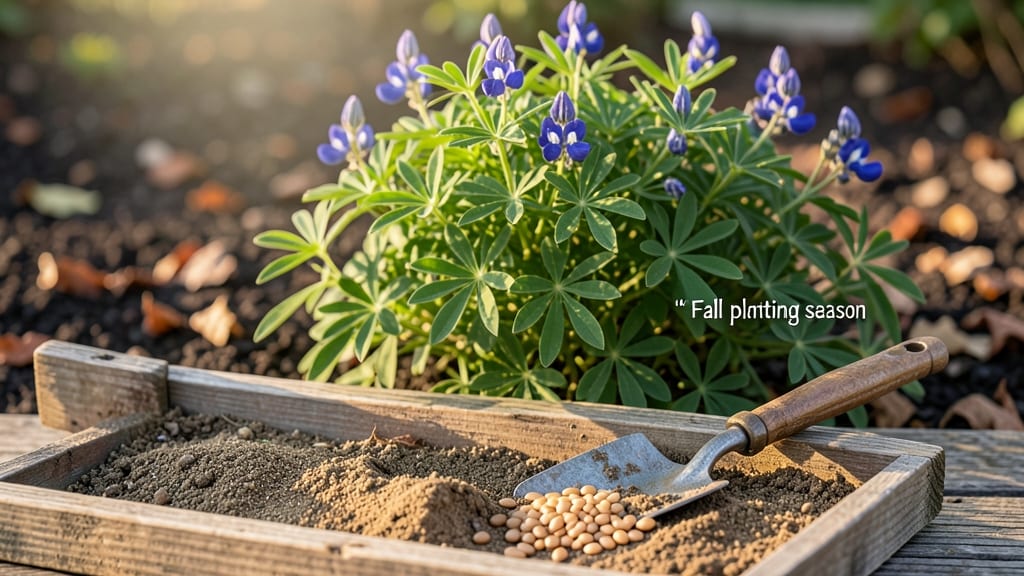
If you’ve ever dreamed of waking up to a sea of blue wildflowers blanketing your North Texas landscape, knowing when to plant bluebonnet seeds in North Texas is the game-changer between success and disappointment.
Planting these iconic Texas blooms at the wrong time can leave you staring at bare soil come spring—so let’s get this right.
The perfect window for sowing bluebonnet seeds in North Texas runs from late September through November, when soil temperatures dip just enough to trigger germination without risking early frost.
This isn’t just guesswork; it’s about leveraging North Texas’s unique climate—where 7b-8a zones demand precision to avoid the first frost sneaking in by mid-November.
Why does this matter? Because bluebonnets are low-maintenance once established, but they need the right start. Skip the fall window, and you might end up with sparse blooms—or worse, no blooms at all.
I’ll walk you through exactly how to time your planting, prep your soil, and set these seeds up for a vibrant spring display that’ll make your neighbors jealous.
Ready to turn your yard into a bluebonnet paradise? Let’s dive into the exact steps that’ll have you scattering seeds with confidence—no more second-guessing, just stunning results.
Optimal bluebonnet planting months in North Texas by region
North Texas spans USDA Hardiness Zones 7a through 8b, and the best time to plant bluebonnet seeds depends on your specific location. For Dallas-Fort Worth (Zone 8a), aim for late September through October—this gives seeds time to germinate before winter rains arrive.
In Waco (Zone 8a), you can extend planting slightly later, up to mid-November, while Amarillo (Zone 7b) gardeners should plant by early October to avoid early frosts.
Bluebonnets thrive in cool fall temperatures (50–65°F) and need 60–90 days to establish roots before dormancy. Planting too early risks seedling rot from lingering summer heat, while late planting may not allow enough growth before winter.
The key is to sow seeds 4–6 weeks before your area’s first frost, which typically hits mid-November in North Texas.
Regional frost dates are critical: Dallas-Fort Worth’s last frost is mid-December, while Amarillo’s can arrive as early as late October. Use these dates as your deadline—seeds planted after frost risk poor germination. For spring planting (less common), sow in February once soil warms to 60°F, but expect fewer blooms.
North Texas’s variable rainfall patterns also play a role. The fall planting window aligns with natural rainfall increases, reducing the need for manual watering. In drier years, like those in the Panhandle region, consider a light irrigation schedule to keep soil moist until germination.
Soil temperature is another critical factor. Bluebonnet seeds germinate best when soil is between 60–70°F. In September, early planting may require light shading to prevent overheating, while November sowings benefit from cooler, more stable temperatures. Use a soil thermometer to confirm readiness—if temps drop below 50°F, delay planting.
Microclimates matter: Urban areas like Dallas may experience heat islands that delay cooling, while rural spots near lakes (like Lewisville Lake) stay cooler longer. Adjust your planting timeline 1–2 weeks earlier in urban zones and 1–2 weeks later in rural areas with milder microclimates.
| Region | USDA Zone | Best Planting Window | First Frost Date | Key Consideration |
|---|---|---|---|---|
| Dallas-Fort Worth | 8a | Late September–October | Mid-November | Urban heat islands; extend window to early November |
| Waco | 8a | Late September–Mid-November | Late November | Soil stays warm longer; prioritize October planting |
| Amarillo | 7b | Early September–Early October | Late October | Early frosts; plant by October 1st for best results |
| Panhandle (e.g., Lubbock) | 7a | Mid-September–Late September | Early November | Dry conditions; water lightly post-planting |
If you miss the fall window, spring planting is possible but yields fewer blooms. Sow seeds in February once soil temperatures consistently reach 60°F. This method works best in Zone 8a areas like Dallas, where winters are milder.
For Zone 7b (e.g., Amarillo), spring planting is risky due to late frosts—stick to fall for reliable results.
Pro tip: Mark your calendar for the autumn equinox (late September)—this is your ideal starting point. Pair planting with natural rainfall events (like the first October showers) to reduce maintenance. In drought years, supplement with drip irrigation to keep seeds moist until sprouts appear.
Remember, bluebonnets are perennials that self-seed prolifically. Once established, they’ll return year after year, rewarding your timing with vibrant spring carpets of blue. The earlier you plant in fall, the more robust your first-year blooms will be—so don’t wait until November if you’re in Zone 8a!
Optimal bluebonnet planting months in North Texas by region
North Texas spans USDA zones 7a-8b, and the best time to plant bluebonnet seeds depends heavily on your specific location and microclimate. In Dallas-Fort Worth (Zone 8a), aim for late September through November when soil temperatures drop below 80°F but before hard frosts arrive in mid-December.
For cooler areas like Amarillo (Zone 7a), shift planting to mid-September to early November to avoid early frost risks.
Waco’s Zone 8a climate allows a slightly extended window—late August to November—but September and October remain ideal. The key is to sow seeds when daytime highs are 75-80°F and nights dip below 60°F, signaling dormancy for optimal germination.
This timing ensures seeds germinate in cool fall weather rather than scorching summer heat.
| Region | USDA Zone | Best Planting Window | Soil Temp for Germination | Frost Risk |
|---|---|---|---|---|
| Dallas-Fort Worth | 8a | Late Sept - Nov | 60-75°F | Mid-Dec |
| Waco | 8a | Late Aug - Nov | 65-78°F | Late Nov |
| Amarillo | 7a | Mid-Sept - Early Nov | 55-70°F | Early Nov |
Spring planting is possible but riskier in North Texas. If you miss fall, sow seeds in February when soil warms to 60°F, but expect smaller blooms and slower establishment.
Spring-sown seeds often struggle with competition from summer weeds and heat stress, so fall remains the gold standard for vibrant bluebonnet displays.
Local rainfall patterns also play a role. In drier regions like Lubbock, prioritize October planting to align with fall rains that naturally water seeds. Meanwhile, humid east Texas areas (like Tyler) can extend planting into early December if frost isn’t imminent.
Always check your local 10-day forecast for rainfall predictions before sowing.
Pro tip: Use bluebonnet seed mixes that include Lupinus texensis (the classic Texas bluebonnet) alongside Lupinus ssp. 'Rainbow' for varied bloom times. This extends your display from March through May and accounts for regional microclimates where some areas bloom earlier than others.
For roadside plantings or large fields, consider aerial seeding in late October—this lets seeds establish roots before winter while avoiding summer drought. Just ensure your soil is well-drained and free of debris to prevent seed rot.
With the right timing, your North Texas landscape will reward you with miles of blue come spring! 🌿