
Plants
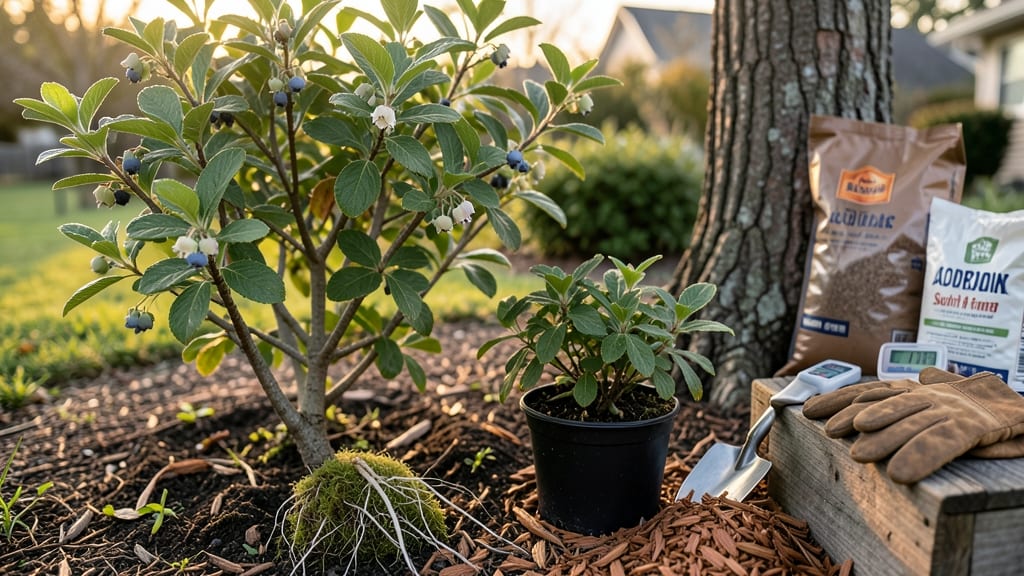
Planting blueberries in Zone 9’s intense heat isn’t just possible—it’s the key to a thriving 🫐 harvest if you nail the timing.
Most gardeners in Southern California, Arizona, or Nevada deserts assume these shrubs can’t survive the summer, but with the right late-winter window, you’ll give your plants the best shot at beating the heat.
The ideal planting window for Zone 9 is December through February, when winter rains moisten the soil and temperatures stay mild. This timing lets young roots establish before the scorching summer arrives, giving them a head start on survival.
Skipping this window means risking stress from heat waves before your blueberries can adapt.
What makes this even more critical is choosing heat-tolerant varieties and preparing your soil properly. Without the right acidity and moisture retention, even the best timing won’t save your plants from summer burnout.
I’ll walk you through the exact steps to set yours up for success—so you can enjoy fresh berries from March to June.
Whether you’re a beginner or a seasoned gardener, getting this right could mean the difference between a struggling bush and a productive, shade-providing powerhouse. Let’s dive into the exact months and techniques that work in Zone 9’s challenging climate.
Best planting months for blueberries in Zone 9 (with exact timing)
Blueberries thrive in Zone 9 when planted during the cooler months—typically December through February. This timing aligns with natural rainy seasons in many Zone 9 regions, like Southern California, providing essential moisture for root establishment.
Planting outside this window risks heat stress or poor survival rates, especially for young, delicate roots.
For bare-root plants, aim for December to early January when soil temperatures hover around 50-60°F (10-15°C). Container-grown blueberries can tolerate slightly later planting, up to mid-February, but avoid planting after March unless you’re in a coastal microclimate with milder temperatures.
Zone 9’s summer heat (often exceeding 90°F/32°C) can scorch young blueberry plants, so timing is critical. The 300+ frost-free days in Zone 9 mean you won’t face freezing risks, but afternoon shade becomes crucial during the first growing season. Prioritize morning sun exposure to prevent leaf burn.
📅 Zone 9 Blueberry Planting Timeline
| Stage | Action | Notes |
|---|---|---|
| Late November | Prepare soil (pH 4.5-5.5) | Test soil acidity; amend with sulfur if needed. |
| December-February | Plant bare-root or container-grown | Ideal for root establishment before heat. |
| March-April | Mulch heavily (3-4 inches) | Retain moisture; protect roots from heat. |
| May-June | Install drip irrigation | Deep watering (1-2 gallons/plant) critical. |
| July-August | Prune damaged growth | Remove heat-stressed branches to encourage new growth. |
If you miss the ideal December-February window, consider planting in late fall (November) or early spring (March), but be prepared for extra care. November plantings benefit from cool night temperatures and winter rains, while March plantings require immediate shade cloth to protect young leaves from intense sun.
For container-grown blueberries, timing is slightly more flexible. You can plant up to April in cooler microclimates (e.g., near coastlines or elevated areas), but expect slower initial growth. Containers dry out faster in Zone 9’s heat, so daily watering becomes essential during the first summer.
One common mistake is planting too late, assuming Zone 9’s mild winters are similar to other regions. Unlike Zone 5 or 6, where spring planting is standard, Zone 9’s consistent warmth means summer heat arrives quickly.
A blueberry planted in April may struggle to establish roots before 100°F (38°C) temperatures hit, leading to leaf scorch or even death.
To extend your planting window, use shade cloth (30-50%) for the first 6-8 weeks after planting. This mimics the natural shade of a forest understory, where wild blueberries thrive. Pair this with morning watering (before 8 AM) to keep roots cool and soil moisture high.
Pro tip: Monitor your local soil temperature—ideal planting conditions occur when soil temps are below 65°F (18°C). Use a soil thermometer to check before planting.
In desert Zone 9 areas (e.g., Phoenix, Las Vegas), soil can stay too warm even in winter, delaying planting until late January or February.
Remember, Zone 9’s microclimates vary wildly. Coastal areas (e.g., San Diego) may support earlier planting (November-December), while inland deserts (e.g., Palm Springs) might require waiting until February. Always observe your specific local frost dates and adjust accordingly.
Best planting months for blueberries in Zone 9 (with exact timing)
In Zone 9, where summer temperatures can soar past 90°F (32°C), planting blueberries at the wrong time risks heat stress or poor establishment. The ideal window is late winter—specifically December through February—when cooler temps and winter rains give young roots a head start before the heat arrives.
Bare-root plants should go in the ground as soon as possible after purchase, while container-grown bushes can wait until late January or early February for slightly better root development.
If you miss this window, November or March are second-best options, but require extra care to protect plants from summer heat.
Here’s the critical timeline for Zone 9 blueberry planting:
| Planting Window | Soil Temp Threshold | Key Consideration |
|---|---|---|
| Late December - Early February | 50-60°F (10-15°C) | Optimal for root establishment; minimal heat stress. |
| Mid-February - March | 60-70°F (15-21°C) | Higher risk of heat stress; prioritize afternoon shade. |
| November (container-grown only) | 55-65°F (13-18°C) | Allows root growth before winter dormancy; protect from frost. |
For bare-root plants, soak roots in water for 1-2 hours before planting to reduce transplant shock. In Zone 9’s dry climate, amend soil with peat moss or sulfur to maintain the acidic pH (4.5-5.5) blueberries crave.
After planting, water deeply to settle soil and mulch heavily (3-4 inches) with pine bark or straw to retain moisture.
If you plant in March or later, young bushes will face peak summer heat with little time to acclimate. To mitigate risks, use drip irrigation to keep roots cool and provide afternoon shade with a temporary shade cloth (30-50% block) until plants are established.
Avoid planting in full sun without protection—this is a common mistake that leads to leaf scorch and poor fruiting.
Pro tip: In desert Zone 9 areas (e.g., Phoenix or Las Vegas), consider container growing for flexibility. Move pots to shadier spots during summer and place them near a south-facing wall to capture winter sun. This microclimate control makes all the difference in survival rates.