
Plants
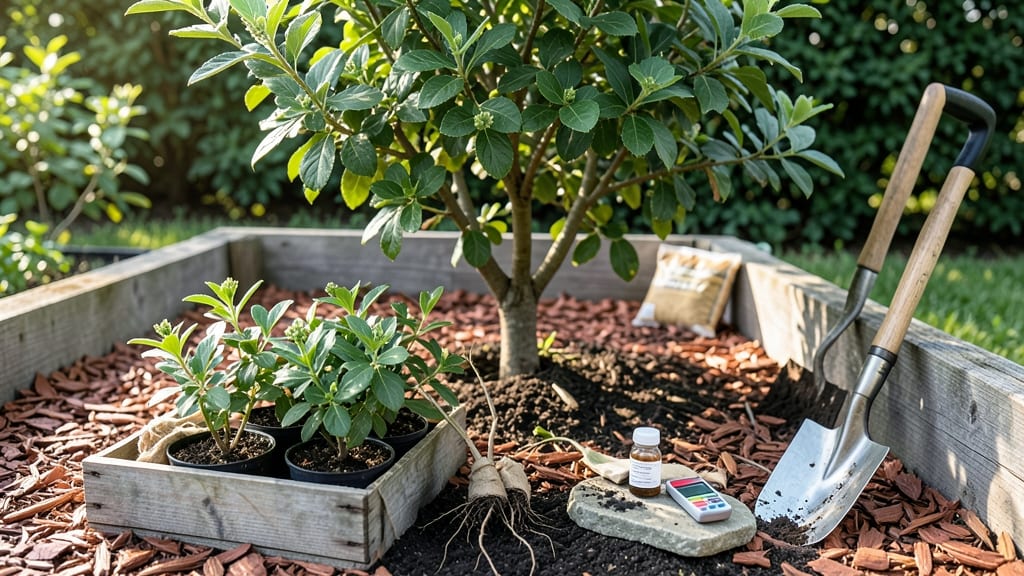
Timing your 🫐 blueberry planting in Zone 8b isn't just about picking a season—it's about locking in the perfect 4-8 week window before your last frost to give those bushes the best shot at thriving.
Get it wrong, and you might end up with stunted growth or even winter damage, no matter how much care you put into soil prep afterward.
Most gardeners in Zone 8b assume fall is the only option, but early spring can actually work better—if you play your cards right. The key lies in understanding how your local microclimate behaves, especially when those February 15 frost dates start looming.
We'll break down exactly when to plant for maximum root establishment before summer heat sets in.
You'll also discover how container-grown blueberries need different timing than in-ground plantings, plus the one soil secret that makes all the difference in Zone 8b's mild winters. Whether you're a first-timer or a seasoned grower, these precise planting windows will help you avoid common mistakes that sabotage blueberry success.
Ready to turn your backyard into a blueberry powerhouse? Let's dive into the exact weeks you should be planting in Zone 8b—because getting this right means the difference between a bush that barely survives and one that rewards you with pounds of sweet berries every summer.
Optimal planting weeks before last frost in Zone 8b: exact timing for blueberry success
In Zone 8b, where average last frost dates fall around February 15, timing your blueberry planting correctly is critical. The ideal window is 4-8 weeks before frost, which translates to late January through early March for spring planting, or September through November for fall.
This timing aligns with blueberry dormancy cycles and soil temperature needs.
Blueberries thrive when planted during their dormant season, when roots can establish without competing with active growth. In Zone 8b, fall planting offers cooler soil temperatures and reduced stress from summer heat. Spring planting, however, gives plants a full growing season to mature before winter.
For precise timing, use your local frost chart to calculate 8 weeks before last frost. In most Zone 8b areas, this lands in mid-January to early February for spring. Always avoid planting when soil temperatures exceed 60°F, as this can shock delicate roots.
| Planting Window | Zone 8b Timing | Soil Temp Requirement | Key Advantage |
|---|---|---|---|
| Fall Planting | September 15 - November 15 | 45-60°F | Cooler soil reduces transplant shock |
| Early Spring Planting | January 20 - March 1 | 40-50°F | Full growing season before winter |
| Late Spring Planting | March 15 - April 15 | 50-60°F (risky) | Higher transplant shock risk |
Your soil pH must be 4.5-5.5 for blueberries to thrive. Test your soil before planting—if it's too alkaline, amend with sulfur or peat moss 2-3 months ahead. In Zone 8b, fall is ideal for soil prep because it gives amendments time to integrate before planting.
Always choose dwarf or semi-dwarf varieties for Zone 8b, like 'Duke' or 'Southern Highbush'. These types handle heat better than standard varieties. Plant in well-draining soil with organic mulch to retain acidity and moisture.
Avoid planting near walnut trees, as their roots release juglone, a toxin harmful to blueberries.
Water deeply after planting to settle soil around roots. In Zone 8b, mulch with pine needles or oak leaves to maintain acidity. For container-grown blueberries, use acidic potting mix and larger pots (15+ gallons) to prevent root binding.
Containers also allow you to move plants to microclimates with better frost protection.
After planting, protect young bushes with frost cloth if late frosts occur. In Zone 8b, this is especially critical for spring plantings. Monitor soil moisture—blueberries need consistent watering but hate soggy roots. A drip irrigation system works best to deliver water directly to roots without wetting foliage.
First-year blueberries won’t fruit, but proper timing ensures strong root growth. By second year, you’ll see buds forming. In Zone 8b, expect harvests from late May to July, depending on variety.
Always prune in late winter to remove dead wood and improve airflow, which prevents fungal diseases common in humid Zone 8b summers.
For Zone 8b gardeners, the key takeaway is plant in fall or early spring, prepare acidic soil, and protect young plants from heat stress. With the right timing, your blueberries will establish quickly and reward you with years of juicy fruit. 🫐
How to adjust planting time for container vs. in-ground blueberries in Zone 8b
Blueberries thrive in Zone 8b, but whether you’re planting in containers or directly in the ground changes the ideal timing. Container-grown blueberries warm up faster in spring, while in-ground plants need extra protection from late frosts. Let’s break down the best strategies for each method.
For in-ground blueberries, aim to plant 4-6 weeks before your last frost date (typically late February in Zone 8b). This gives roots time to establish before soil warms. Container plants, however, can handle 2-4 weeks earlier since pots absorb and retain heat differently.
Soil temperature is your biggest ally. In-ground blueberries need soil at 40°F or above for root growth, while containers can tolerate slightly cooler temps. Use a soil thermometer to check—if it’s below 40°F, delay planting or use frost blankets for in-ground plants.
🔹 Pro Tip: If you’re planting in containers, move pots closer to your home’s foundation or use black plastic mulch to warm the soil faster. This can shave off 1-2 weeks from your planting window.
Container vs. In-Ground Planting: Pros and Cons
| Factor | Containers | In-Ground |
|---|---|---|
| Planting Window | 2-4 weeks earlier | 4-6 weeks before frost |
| Soil Warming | Faster (black pots) | Slower (ground cools) |
| Frost Protection | Move indoors | Frost blankets |
| Root Establishment | Slower (root-bound) | Faster (full soil access) |
🌱 Best for: Containers = Urban gardens; In-Ground = Permanent beds
If you’re in a microclimate (like near a heat-retaining wall or under trees), you can plant 1-2 weeks earlier than the general Zone 8b guideline. Conversely, low-lying areas or spots prone to cold air pooling may need a 2-week delay to avoid frost damage.
For fall planting (another great option in Zone 8b), container plants can go in 6-8 weeks before first frost (mid-November). In-ground plants, however, should be planted 8-10 weeks out to ensure roots establish before winter dormancy begins.
Always monitor your local frost forecast—tools like the National Weather Service or Old Farmer’s Almanac provide real-time updates. Adjust your timing by 1-2 weeks if unexpected cold snaps are predicted.