
Plants
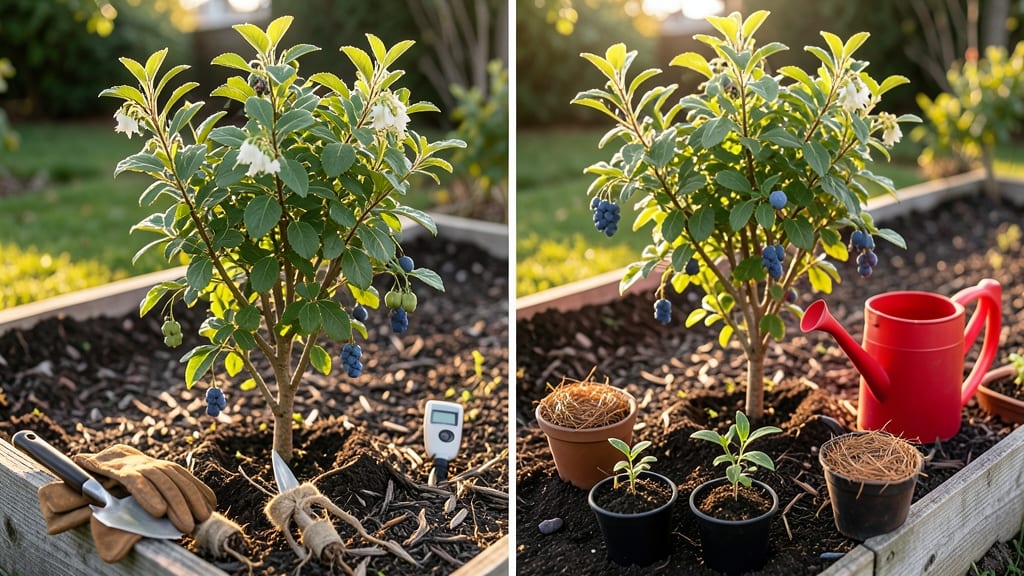
Planting blueberries in Maine isn't just about throwing them in the ground—it’s a timing game that can mean the difference between a bumper crop of 🫐 and a sad, frost-nipped failure.
With frost dates shifting from mid-April in Portland to early May in Bangor, getting it right means knowing when to act.
Most gardeners in USDA zones 5a-6b swear by early spring planting (April) or early fall (September), but Maine’s short growing season demands precision. Plant too early, and a late freeze could wipe out your young bushes before they even take root.
Too late, and you miss the sweet spot for establishing strong roots before winter.
I’ve dug into the data—frost records, soil prep secrets, and what works for both bare-root plants and potted varieties—to give you the exact window for success.
Whether you’re a first-timer or a seasoned grower, these insights will help you avoid the most common mistakes and set your blueberries up for years of harvests.
Ready to turn your backyard into a blueberry powerhouse? Let’s break down the frost-date rules and soil tricks that’ll have your bushes thriving—no guesswork required.
Maine’s blueberry planting zones and frost-date timeline
Maine’s USDA zones 5a-6b create a tight window for planting blueberries—miss it, and your bushes may struggle to establish roots before winter. The key is planting 4-6 weeks before your region’s last frost date, which varies dramatically from Portland’s coastal warmth to Bangor’s inland chill.
Historical data shows last frosts typically arrive between mid-April and early May, but coastal areas like Bar Harbor can be 2-3 weeks earlier.
For bare-root plants, aim to plant in early April in most of Maine, while container-grown blueberries can handle slightly later transplanting (up to mid-May) since their roots are less vulnerable.
Fall planting is also viable in September, but only if your region’s first frost arrives after October 15—critical for root establishment before winter dormancy.
Here’s how Maine’s frost dates break down by region—use this as your planting deadline countdown:
| Region | USDA Zone | Last Frost Date | Ideal Planting Window | Fall Planting Deadline |
|---|---|---|---|---|
| Southern Maine (Portland, Kittery) | 6a-6b | April 15–May 1 | March 15–April 15 | September 20–October 5 |
| Central Maine (Augusta, Waterville) | 5a-5b | April 25–May 10 | March 20–April 20 | September 10–September 25 |
| Northern Maine (Bangor, Presque Isle) | 4b-5a | May 10–May 25 | April 1–April 25 | September 1–September 15 |
| Coastal Downeast (Bar Harbor, Machias) | 5a-5b | April 10–April 25 | March 1–April 10 | September 15–October 1 |
Pro tip: Check the National Weather Service’s frost prediction maps (updated in early April) for your specific town. Even a 2-week shift in frost dates can turn a risky planting into a sure bet.
For example, 2021’s late frost in May caught many gardeners off guard—planting by April 1 would’ve saved their bushes.
Bare-root plants need soil temperatures above 40°F to avoid shock, while container-grown blueberries tolerate cooler soils. Test your soil’s readiness with a soil thermometer—if it’s below 45°F, wait a few more days.
In cold-winter zones (5a), prioritize hardy varieties like ‘Patriot’ or ‘Earliblue’, which handle Maine’s harsh winters better than southern cultivars.
For container gardeners in urban Maine (Portland, Lewiston), extend your planting window by 2-3 weeks—containers warm up faster and protect roots from sudden temperature swings. Just ensure your pots have drainage holes and use a lightweight, acidic potting mix (pH 4.5-5.5).
Remember: Blueberries planted too late may not flower the first year, but they’ll still grow leaves and establish roots—patience is key in Maine’s short growing season.
Start with 1-2 year-old plants for the best survival rates, and avoid planting after June 1, as new growth won’t harden off before winter.
🌱
How to adjust planting for Maine’s microclimates and soil conditions
Maine’s diverse landscapes mean planting times vary dramatically from the coast to the mountains. Coastal areas like Portland and Bar Harbor often experience earlier last frosts (mid-April), while inland regions near Bangor or Presque Isle can face delays until early May.
Adjust your planting schedule based on your local microclimate—coastal gardeners can start 2-3 weeks earlier than inland growers.
Urban gardeners in Portland or Augusta with limited space can thrive with container-grown blueberries. Use pots at least 18 inches deep and wide, filled with acidic potting mix (pH 4.5-5.5).
Containers warm up faster in spring, allowing for earlier planting compared to in-ground plantings, which need soil to thaw and warm.
- 🌊 Coastal Areas: Plant bare-root plants in late April or early May when soil temps reach 45°F.
- 🏞️ Inland Valleys: Wait until mid-May to avoid late spring frosts (common in Central Maine).
- 🏔️ Northern Maine: Delay until early June if frost risk persists; use row covers for extra protection.
- 🏙️ Urban Containers: Plant potted blueberries in early April (they warm faster than soil).
Soil acidity is non-negotiable for blueberries—Maine’s native soil is often too alkaline (pH 6.0+), which locks out essential nutrients. Test your soil before planting and amend with peat moss or sulfur to lower pH to 4.5-5.5.
For in-ground plantings, mix 3 inches of peat moss into the top 12 inches of soil and top-dress annually with pine needles or cottonseed meal.
Mulching is your best defense against Maine’s unpredictable late frosts. Apply 4-6 inches of organic mulch (pine straw, wood chips) around the base of plants in early spring to insulate roots.
For fall plantings, add mulch in October to protect young roots from winter heaving. Avoid synthetic mulches—they don’t break down and can raise soil pH over time.
If you’re planting in fall (September)**, choose container-grown plants over bare-root—they establish roots before winter and handle frost better. For bare-root plants, plant by mid-September in Southern Maine or early October in Northern regions, leaving 6-8 weeks for root establishment before first frost.
Water deeply after planting and cover with mulch to insulate roots.
For urban gardeners with limited space, dwarf varieties like ‘Top Hat’ or ‘Patriot’ are perfect—they mature at 3-4 feet tall and thrive in large containers. Place pots in full sun and move them to a protected location (like a garage or shed) if frost warnings appear.
Containers also allow you to control soil acidity precisely, which is tricky in Maine’s variable native soil.
Remember: Maine’s short growing season demands preparation. Whether you’re adjusting for coastal warmth, inland frosts, or urban containers, the key is soil acidity and timely protection. With the right adjustments, your blueberry bushes will thrive despite New England’s challenges! 🌱