
Plants
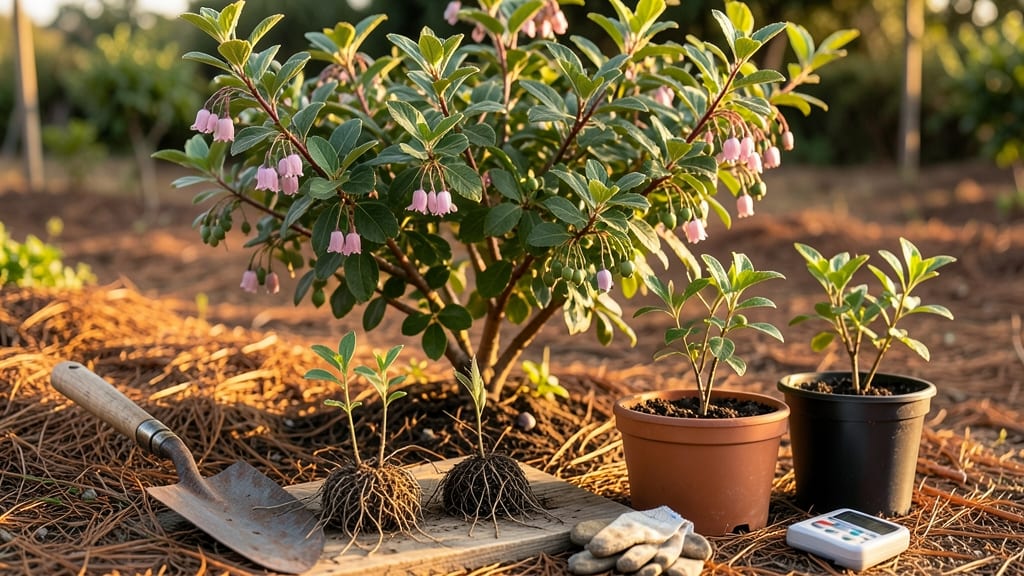
If you're wondering when to plant blueberries in Arkansas, timing is everything—especially in zones 7a-8b where frost can still sneak in. The perfect window is either late winter to early spring (February-March) or fall (October-November), but there’s more to it than just picking a month.
Arkansas’s variable climate means you’ll need to consider chill hours, soil prep, and even microclimates that can shift frost dates. Planting too early risks frost damage, while waiting too long might delay your 🫐 harvest next summer.
Let’s break down the best strategies to get your blueberries off to a thriving start.
Bare-root plants are often the easiest choice for Arkansas gardeners, but potted options work too—if you time it right. We’ll cover how to prep your soil, choose the right variety for your area, and avoid common mistakes that could sabotage your bushes before they even take root.
Whether you’re a first-time grower or a seasoned gardener, these tips will help you plant with confidence and enjoy a bountiful harvest. Ready to dig in?
Best planting months for blueberries in Arkansas (Zone 7a-8a)
Arkansas’s variable climate means blueberries thrive when planted during two key windows: late winter to early spring or fall. For Zone 7a-8a, the ideal timing avoids late frosts while giving roots time to establish before summer heat. Let’s break down the best months and why they work.
Most Arkansas gardeners swear by planting in October or November—this gives roots time to settle before winter dormancy. However, bare-root blueberries planted in February or March also work well, as long as you plant before buds break. Both methods avoid the frost risk of early spring.
Here’s the catch: Arkansas’s microclimates vary dramatically. Northern regions (closer to Zone 7a) may experience harder frosts into April, while southern areas (near Zone 8a) can see earlier bud break. Adjust your timing based on your last frost date—typically mid-March in most of the state.
If you’re planting potted blueberries (not bare-root), extend your window to September through April. Potted plants handle transplant shock better, so you can plant slightly later in spring without risking dormancy issues.
For high-chill varieties like ‘Climax’ or ‘Duke’, prioritize fall planting to ensure they get enough 800-1,000 chill hours. Warmer microclimates (e.g., Little Rock or Jonesboro) may struggle with chill hours, so fall planting is critical.
Pro tip: If you miss the fall window, plant in late winter (February) but cover young plants with row covers to protect against late frosts. This is especially important in Zone 7a, where frosts can linger.
| Planting Window | Best For | Chill Hours Needed | Frost Risk | Arkansas Notes |
|---|---|---|---|---|
| Late October - November | Bare-root plants, high-chill varieties | 800-1,000 hours | Low (roots establish before winter) | Ideal for Zone 7a; avoid if soil is frozen. |
| February - Early March | Bare-root or potted plants | 600-900 hours | Moderate (use frost cloth) | Best for Zone 8a; plant before buds swell. |
| September - October | Potted plants, low-chill varieties | 400-600 hours | None (warm soil) | Great for southern Arkansas; avoid if frost predicted. |
If you’re unsure about your last frost date, check local Cooperative Extension Service data or use a frost calendar. For example, Fayetteville (Zone 7b) typically sees its last frost around March 20, while El Dorado (Zone 8a) may be frost-free by March 1.
For container gardening, you can plant up to April 15 in Zone 8a since pots warm up faster. Just ensure your containers have drainage holes and use acidic potting mix (pH 4.5-5.5).
Remember: Spring planting is riskier in Arkansas due to unpredictable late frosts. If you choose this window, monitor weather forecasts and have frost protection (like row covers or string lights) ready. A single 28°F night can damage young plants.
For maximum yield, pair fall-planted bushes with early-spring fertilization (once buds swell but before blooms open). This jumpstarts growth and compensates for Arkansas’s short growing season.
Best planting months for blueberries in Arkansas (Zone 7a-8a)
Arkansas’s Zone 7a-8a climate gives you two ideal windows to plant blueberries: late winter/early spring (February-March) or fall (October-November). Spring planting is best for bare-root plants, while fall offers a head start for root establishment before winter dormancy.
For spring planting, aim for 4-6 weeks before your last frost date (typically mid-March in most of Arkansas). This timing ensures roots establish before bud break. Fall planting, however, should occur 6-8 weeks before the first frost (usually by early November in Zone 7a).
Here’s how Arkansas’s variable frost dates impact your planting schedule:
| Planting Window | Best Months | Key Considerations | Arkansas-Specific Tips |
|---|---|---|---|
| Spring Planting | February-March | Avoid frost damage; plant when soil is workable (40°F+). | Use mulch to protect roots if late frosts linger. |
| Fall Planting | October-November | Roots establish before winter; avoid late-season planting. | Water deeply after planting to prevent drought stress. |
| Late Spring (Risky) | April | Higher risk of heat stress; may need extra shade. | Choose heat-tolerant varieties like 'Tifblue'. |
In Arkansas’s humid climate, spring planting also requires vigilance against fungal diseases. Space bushes 4-6 feet apart for airflow, and avoid overhead watering. For fall planting, focus on soil prep—amend with peat moss or sulfur to lower pH to 4.5-5.5, which blueberries crave.
If you’re in Zone 8a (warmer southern Arkansas), you can push spring planting slightly later (into early April), but monitor chill hours—some varieties need 500+ hours below 45°F to fruit well. Use a cold frame or shade cloth if your microclimate runs warm.
Pro tip: Arkansas gardeners often plant in containers for flexibility. Use acid-loving potting mix and place pots in full sun (6+ hours daily). Containers also help manage soil pH more easily than in-ground planting.