
Plants
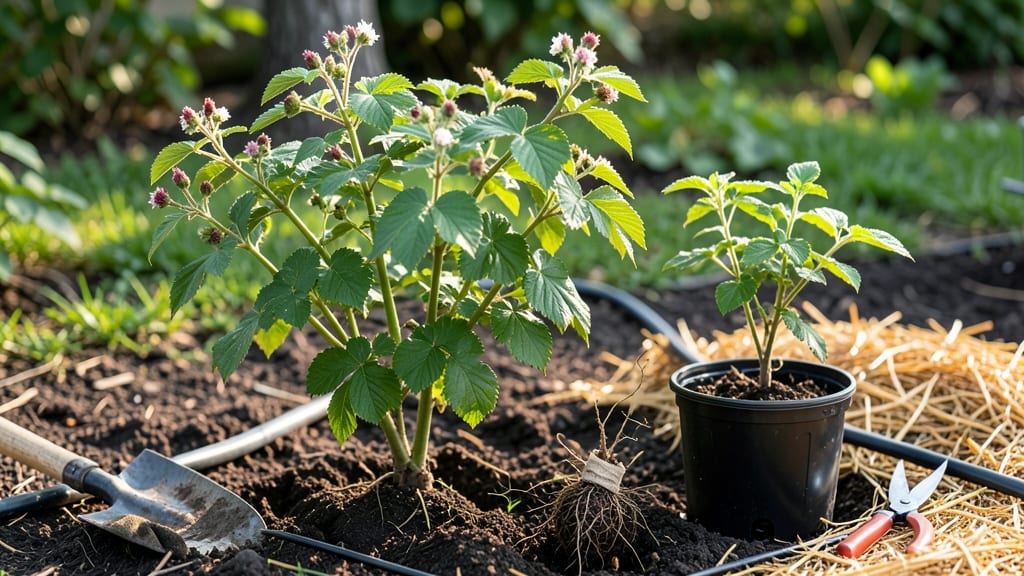
Planting blackberries in Florida might seem simple since frost isn’t a concern, but getting the timing right is the key to avoiding weak canes and pest problems.
Unlike northern climates, Florida’s humid subtropical weather means you can plant year-round—but late winter or early spring gives your 🫐 bushes the best start.
Why does timing matter so much? Planting outside the ideal window can lead to slower growth, lower yields, or even disease issues from Florida’s heat and humidity. The right schedule helps your blackberries establish strong roots before the summer heat kicks in.
In this guide, I’ll break down the prime months for planting in Florida’s different regions, whether to choose bare-root or potted plants, and how to prep your soil for maximum success. Let’s get those canes thriving!
From soil prep to variety selection, you’ll learn exactly what works best for Florida’s climate—so you can enjoy a bountiful harvest from April through September. Ready to plant with confidence?
Best months to plant blackberries in Florida’s climate zones
Florida’s frost-free climate makes blackberries one of the easiest berries to grow—but timing still matters. Unlike northern states, you won’t face frost damage, but humidity, heat spikes, and hurricane season can stress young plants.
The ideal window for planting is late winter to early spring, when soil warms and pests are less aggressive.
North Florida (Zones 8a-9a) has slightly cooler winters, while South Florida (Zones 10a-11) stays warm year-round. Central Florida (Zone 9b) sits in the middle, offering the broadest planting flexibility. I’ll break down the best months for each region to maximize root establishment and fruit production.
📌 Pro Tip: Florida’s USDA Zones 9a-11 mean you can plant blackberries year-round, but January-February is optimal for stronger canes and earlier harvests. Avoid planting in summer’s peak heat, which stresses young roots.
🌱 Florida Blackberry Planting Guide by Region
| Region | Best Planting Months | Soil Temp Requirement | Key Considerations |
|---|---|---|---|
| North Florida (Zones 8a-9a) | January–March | 55–65°F (13–18°C) | Cooler winters; watch for late frosts (rare but possible). |
| Central Florida (Zone 9b) | December–February | 60–70°F (16–21°C) | Best balance of mild temps and lower humidity. |
| South Florida (Zones 10a-11) | Year-round (best: Sept–Nov) | 65–75°F (18–24°C) | Avoid summer planting (stress from heat/humidity). |
⚠️ Note: Bare-root plants establish faster in cooler months, while potted plants can handle summer planting if shaded and watered daily.
For North Florida growers, January is your sweet spot—soil warms enough for root growth, and humidity is lower than in summer. If you miss this window, March still works, but young plants may struggle with spring heat waves.
I’ve planted in late February here in Gainesville, and the canes thrive with drip irrigation.
Central Florida offers the most flexibility. December through February is prime, but I’ve had success with November plantings too—just add mulch to protect roots from winter dry spells. The key is avoiding hurricane season (June-Nov), which can uproot young plants.
In South Florida, year-round planting is possible, but September–November is ideal. The monsoon season (May–October) brings heavy rains, which can drown roots if drainage is poor. I planted thornless blackberries in August once, but they needed extra shade cloth and frequent watering to survive.
Regardless of region, soil temperature is critical. Use a soil thermometer to confirm 55°F+ (13°C+) before planting. Cooler soils slow root growth, making plants vulnerable to root rot in Florida’s humid climate. My go-to is planting when morning soil temps hit 60°F (16°C).
If you’re planting bare-root canes, soak them for 2–4 hours before inserting into the soil. For potted plants, water thoroughly 1–2 days before transplanting to reduce shock. Mulch immediately after planting with 3–4 inches of pine straw to retain moisture and suppress weeds.
One mistake I see often? Planting too late in spring when temperatures exceed 90°F (32°C). Young blackberry roots can’t handle this heat, leading to wilting or fungal infections.
If you must plant in summer, choose early morning and provide afternoon shade for the first 2–3 weeks.
🌱 For maximum yield, align planting with your harvest goals. January–February plantings produce fruit in April–June, while summer plantings may not bear until next year. Plan ahead!
Best months to plant blackberries in Florida’s climate zones
Florida’s frost-free climate lets you plant blackberries almost year-round, but late winter to early spring delivers the best results. The ideal window spans from January through March, when soil warms slightly and humidity remains manageable.
Planting in these months gives canes time to establish roots before Florida’s intense summer heat hits.
North Florida (Zones 8a-9a) has slightly cooler winters, so February is the sweet spot. Central Florida (Zones 9b-10a) thrives with January-March plantings, while South Florida (Zones 10b-11) can plant as late as April—just avoid hurricane season (June-November) for bare-root plants.
Here’s how Florida’s three regions break down for planting success:
Avoid planting in summer months (June-August) unless using potted plants, as extreme heat stresses young canes. Summer plantings also increase disease pressure from fungal pathogens thriving in Florida’s humidity. If you must plant later, choose September-October for a fall establishment window.
For bare-root plants, plant as soon as possible after purchase to prevent root desiccation. Potted blackberries can handle year-round planting, but they’ll need extra watering and shade during summer’s peak heat. Always check the root ball—if it’s dry, soak it for 1-2 hours before planting.
Pro tip: Mulch immediately after planting with 2-3 inches of organic mulch (pine straw or wood chips) to retain moisture and regulate soil temperature. This is especially critical in Florida’s sandy soils, which drain too quickly.