
Plants
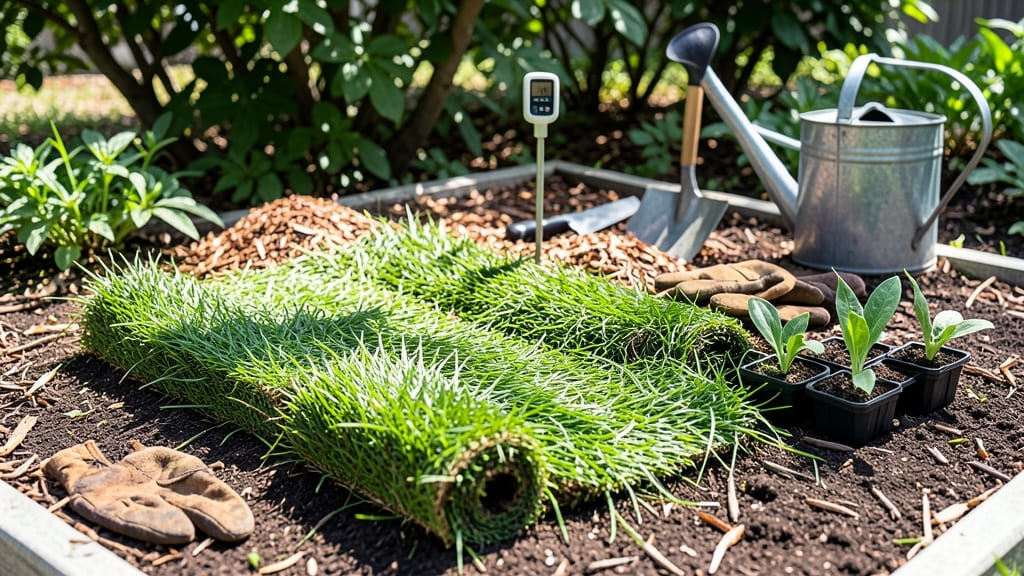
Timing your Bermuda Grass planting in Phoenix isn’t just about the calendar—it’s about outsmarting the desert’s 110°F summers and unpredictable monsoons. Plant too early, and your grass wilts before it takes root; too late, and weak roots struggle to survive the winter chill.
The perfect window balances heat tolerance with soil warmth, giving your lawn the best shot at deep, resilient growth.
Most gardeners assume spring is the only option, but Phoenix’s USDA Zone 9b climate actually rewards patience. Waiting until April or May ensures soil temperatures are ideal—warm enough to kickstart growth without overwhelming young plants.
This isn’t just theory; local nurseries swear by these months for stronger establishment before the brutal summer heat sets in.
Here’s the kicker: your success depends on more than just dates. Soil prep, irrigation timing, and even your neighborhood’s microclimate (urban heat islands vs. higher elevations) can shift the ideal window by weeks.
I’ll walk you through the exact steps to time your planting like a pro—so you’re not guessing when the grass needs to go in.
Ready to transform your Phoenix lawn from patchy to lush? Let’s dive into the science-backed schedule that’ll have your 🌱 Bermuda Grass thriving year-round, not just surviving the summer.
Best months to plant Bermuda grass in Phoenix for maximum root growth
Bermuda grass thrives in Phoenix’s hot, dry climate, but timing is everything. Planting too early risks heat stress from sudden summer heatwaves, while late planting leaves roots vulnerable before winter dormancy.
The ideal window balances soil warmth and rainfall patterns—typically late April to early May—when daytime temps hover around 85–95°F and monsoon rains are still weeks away.
This science-backed approach ensures deep root establishment before the brutal 110°F+ summers. Many gardeners mistakenly plant in fall, but Bermuda grass struggles to recover from winter dormancy if seeded too late.
The key is soil temperature consistency—aim for 70–75°F at 4 inches deep, which Phoenix hits reliably in May.
Here’s why April–May is optimal: cooler nights reduce seed desiccation, while increasing daylight extends the growing season. For sod installation, shift slightly earlier to March–April—roots need 4–6 weeks to knit before summer stress begins.
🌱
| Planting Window | Soil Temp (°F) | Daylight Hours | Monsoon Risk | Root Establishment |
|---|---|---|---|---|
| Late April–Early May | 70–75°F | 12–14 hrs | Low (pre-monsoon) | ✅ Optimal (deep roots before summer) |
| March (sod only) | 65–70°F | 11–12 hrs | Very Low | ⚠️ Good (requires irrigation) |
| June–July | 90°F+ | 14+ hrs | High (monsoon season) | ❌ Avoid (heat shock risk) |
| Fall (Sept–Oct) | 80–85°F | 11–12 hrs | Moderate | ❌ Avoid (weak winter recovery) |
For seed-based planting, focus on late April when soil temps stabilize. Use a soil thermometer to confirm—Bermuda grass seeds need consistent warmth to germinate. If planting sod, March–early April works better because established roots recover faster from transplant shock.
Pro tip: Phoenix’s urban heat islands can push soil temps 5–10°F higher than rural areas. Adjust your window 1–2 weeks earlier if your yard sits in a concrete-heavy neighborhood. Always test soil moisture—dry conditions delay germination by 30–50%.
After planting, prioritize deep watering (1–1.5 inches weekly) to encourage root depth. Shallow watering leads to weak, surface roots that brown quickly in summer. Pair this with a slow-release fertilizer (16-4-8 NPK) to fuel early growth without burning young grass.
💧
Monitor your lawn for heat stress signs like blue-gray leaf tips or rolled blades—these mean it’s too hot. If this happens, reduce mowing height to 1.5 inches and increase watering to 2x weekly until temps drop below 100°F.
Remember: Bermuda grass is dormant-resistant but not heat-proof. The April–May window gives it the 6–8 week head start needed to outpace Phoenix’s summer intensity. With the right timing, your lawn will thrive year-round, not just survive.
Best months to plant Bermuda grass in Phoenix for maximum root growth
Phoenix’s high desert climate demands precise timing for Bermuda grass planting—too early risks frost damage (rare but possible), while late planting leaves roots vulnerable to summer’s 110°F+ heat. The optimal window is April to early May, when soil temps hit 65–75°F and monsoon rains haven’t yet arrived.
This balance ensures deep root establishment before the brutal Arizona summer.
Many gardeners mistakenly plant in fall, thinking cooler temps help. However, Phoenix’s short winter means grass struggles to establish before dormancy kicks in. Spring planting aligns with natural growth cycles, giving Bermuda grass 6–8 weeks of ideal conditions to thrive before peak heat arrives.
Think of it as giving your lawn a head start against the desert’s challenges.
| Planting Window | Soil Temp (°F) | Rainfall Pattern | Root Growth Potential |
|---|---|---|---|
| Early April | 65–70°F | Dry | Moderate (slow start) |
| Mid-April | 70–75°F | Dry | High (ideal) |
| Early May | 75–80°F | Pre-monsoon dry | Very High (rapid growth) |
| June+ | 90°F+ | Monsoon | Low (heat stress) |
*Root depth of 4–6 inches by summer ensures drought survival.
For sod installation, aim for mid-April when temperatures stabilize. Sod requires immediate watering, and Phoenix’s sudden heat spikes can stress newly laid grass. If planting seed, extend the window to late April—seeds need consistent moisture for germination, which monsoon rains can disrupt if planted too late.
Pro tip: Check soil moisture 1–2 inches deep daily during planting. If it’s dry, water deeply before laying sod or seeding. Bermuda grass roots need 1–1.5 inches of water weekly during establishment, but Phoenix’s clay-heavy soils often require amended drainage to prevent waterlogging.
Remember, overseeding in fall is a common mistake—Bermuda grass goes dormant in winter, and new seeds won’t germinate in cooler temps. Save overseeding for cool-season grasses like ryegrass, not Bermuda. For Phoenix lawns, spring planting is non-negotiable for long-term success.
Once your Bermuda grass is established by June, it’ll handle Phoenix’s heat like a pro—just keep watering deeply but infrequently to encourage those deep, drought-resistant roots. 🌱