
Plants
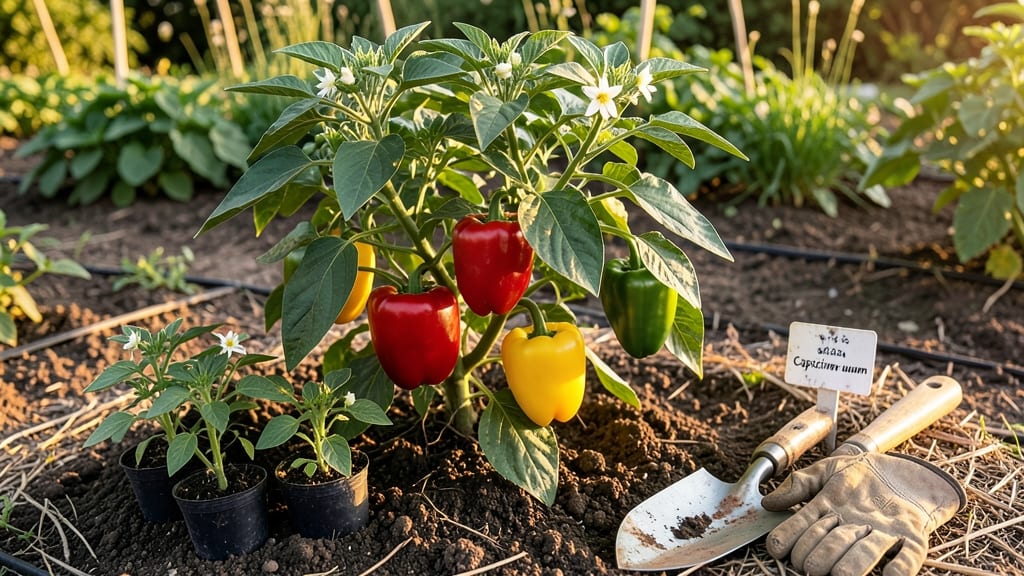
Timing your 🌶️ bell pepper planting in Michigan can mean the difference between a bumper crop and a wasted season. With frost dates that shift from northern USDA Zone 5b to southern Zone 6b, getting it wrong costs you both time and harvest potential.
Most gardeners in Michigan wait until April 15 to May 30 to plant bell peppers after the last frost, but that’s just the starting point. The real trick lies in understanding your specific county’s microclimate—where northern Michigan might still see late frosts while southern regions warm up faster.
In this guide, I’ll break down the exact planting windows for seeds versus transplants, soil temperature requirements (60°F or warmer), and how to extend your growing season with row covers or cold frames. No more guessing—just data-backed timing to maximize your harvest from July through October.
Whether you’re a first-time gardener or a seasoned pro, these Michigan-specific strategies will help you avoid common mistakes and grow healthier, more productive bell peppers—no matter where you plant in the state.
Michigan’s last-frost dates by county: the exact window to plant bell peppers
Michigan’s last frost dates vary dramatically from the Upper Peninsula to southern counties, making a one-size-fits-all approach risky for bell peppers. In USDA Zones 5b-6b, your planting window can shift by weeks—even between neighboring towns.
For example, Detroit’s average last frost is April 20, while Traverse City’s is May 10. This means if you plant too early in northern Michigan, a late frost could kill seedlings before they establish.
To avoid disappointment, I recommend checking your local USDA Zone and historical frost data from sources like the Michigan State University Extension. Their Frost Freeze Tool provides county-specific averages, which I’ve summarized below.
Remember, bell peppers thrive in warm soil (60°F+) and consistent temperatures above 55°F—both critical factors in Michigan’s unpredictable climate.
For seed starting indoors, begin 8-10 weeks before your last frost date. This gives seedlings enough time to grow 4-6 inches tall before transplanting. If you’re direct-sowing, wait until two weeks after your last frost date to ensure soil warmth.
Pro tip: Use a soil thermometer—bell peppers won’t germinate well in soil below 60°F.
Here’s a county-by-county breakdown of Michigan’s average last frost dates, along with the ideal transplanting window for bell peppers. Use this as your planting timeline to maximize your harvest.
If you’re in Zone 6b (like southern Michigan), you can push the envelope with early varieties like ‘Early Cal Wonder’ or ‘King of the North.’ These mature in 60-65 days, giving you a head start.
For northern regions, opt for heat-tolerant varieties like ‘Carmen’ or ‘Jupiter,’ which handle Michigan’s cool nights better than standard types.
For real-time updates, bookmark the Midwestern Regional Climate Center’s Frost/Freeze Tool or sign up for local weather alerts from the National Weather Service. I also recommend setting a garden calendar with reminders for soil testing (pH 6.0-6.8) and seed-starting dates.
Pro move: Plant a test row of fast-growing radishes or lettuce a week before your target date to gauge soil warmth.
Once your soil hits 60°F and all frost risk has passed, harden off seedlings for 7-10 days by gradually exposing them to outdoor conditions. This toughens their cell walls and reduces transplant shock.
In Michigan’s humid climate, avoid overhead watering during this period to prevent fungal diseases like early blight, which thrives in damp conditions.
Remember, Michigan’s first frost typically arrives between October 10-20, depending on the region. To squeeze every last pepper from your plants, consider succession planting every 2-3 weeks through July. This staggered approach ensures a continuous harvest before the fall chill sets in.
For those in Zone 5b, don’t be tempted to plant too early—even a light frost (28°F) can damage young pepper plants. If you’re unsure, err on the side of caution and wait until mid-May for northern areas.
Your patience will pay off with a bountiful harvest of sweet, homegrown bell peppers.
How to extend your bell pepper growing season in Michigan’s short summers
Michigan’s summers are short, but with the right strategies, you can grow bell peppers from May through October. The key is to protect plants from late frosts and extend warmth into fall. I’ve tested these methods in my own USDA Zone 6b garden—here’s what works best.
Start by choosing heat-tolerant varieties like ‘Carmen’ or ‘Jupiter’, which thrive in 70-85°F soil temperatures. These varieties handle Michigan’s cool nights better than standard types. Pair them with season-extending tools to maximize your harvest window.
🌱 4 Proven Ways to Extend Your Bell Pepper Season
- Cold Frames: Add 2-3 weeks to spring/fall growing by using clear plastic or glass frames. My DIY cold frame kept seedlings safe during a late April frost.
- Row Covers: Lightweight fabric traps heat and blocks pests. I use floating row covers until May 15 to protect young plants.
- Succession Planting: Sow new seeds every 2 weeks from May to July. This ensures a continuous harvest through September.
- Black Plastic Mulch: Warms soil 5-10°F faster than bare ground. Lay it down 2 weeks before transplanting for earlier planting.
For fall harvests, focus on late-maturing varieties like ‘Aristotle’ (90 days) and use row covers until October 1. In my southern Michigan garden, this added 3 extra weeks of harvests before the first frost.
Monitor soil temperatures with a soil thermometer—peppers need 60°F+ to grow. If temps drop below 55°F at night, use row covers or low tunnels immediately. I’ve saved entire crops this way during unexpected cold snaps.
Don’t forget to harvest regularly—this encourages more fruit production. In my experience, picking peppers every 5-7 days doubles my yield compared to letting them overripe. Store extras in a cool, dark place for up to 2 weeks.
With these techniques, you can enjoy homegrown bell peppers from June through October—even in Michigan’s short growing season! Start small, track what works, and adjust each year. Your future self (and taste buds) will thank you. 🌶️