
Plants
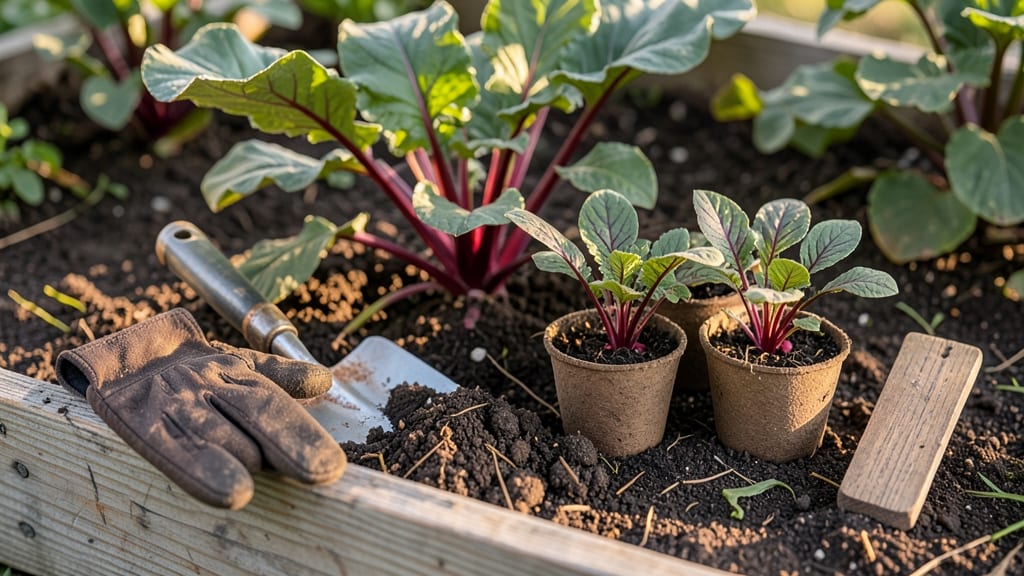
Timing your beets planting in Oregon isn’t just about following a calendar—it’s about outsmarting the region’s wild swings from coastal chill to desert heat. Plant too early in the Willamette Valley, and you’ll watch your 🍠 bolt into bitter greens before you even harvest.
Too late? Your roots’ll stay puny, no matter how much you water them.
Here’s the game-changer: Oregon’s microclimates demand two key planting windows—early spring (March–April) for cool coastal areas and late summer (August–September) for inland zones like the High Desert.
I’ll break down exactly when to start seeds in your specific zone, so you avoid the most common mistakes that turn your garden into a bolting disaster.
Why does this matter? Because zero-bolt beets mean sweeter, juicier harvests from June through November. Whether you’re in Portland’s fog belt or Bend’s dry heat, these timing tricks will give you consistent, restaurant-quality roots all season long.
Let’s dive into the microclimate-specific schedule that’ll make your beet patch the envy of every Oregon gardener—no guesswork, just results.
Oregon’s microclimate planting zones: when to start beets by region
Oregon’s diverse climate zones mean your beet planting schedule should vary dramatically between coastal fog and high-desert heat. The key is aligning your planting with soil temperatures (ideal: 40–50°F) and frost-free dates, which shift from late March in coastal areas to mid-April in inland regions.
Let’s break it down by zone to avoid bolting and maximize yields.
For Willamette Valley (e.g., Portland, Salem), aim for late March to early April plantings. This zone’s mild springs and long growing season let you squeeze in two harvests: one in June–July and another in October–November.
Coastal areas like Astoria or Cannon Beach can start 2–3 weeks earlier thanks to cooler soils, but watch for spring heat spikes that trigger bolting.
High Desert regions (e.g., Bend, La Pine) have shorter growing seasons and hotter summers. Plant early April to mid-May for a June harvest before temperatures soar. Choose heat-tolerant varieties like ‘Detroit Dark Red’ to avoid bolting. Late summer plantings (mid-August) can yield a fall harvest before frost, but use shade cloth if days exceed 80°F.
The Columbia Gorge (e.g., Hood River, The Dalles) straddles two worlds—cooler mornings and hot afternoons. Start seeds mid-April for a June–July harvest, then try a late July planting for fall. Mulch heavily to stabilize soil temps and prevent bolting during summer heat waves.
Key soil prep tip: Amend beds with compost to improve drainage—waterlogged soils in coastal zones or dry, compacted soil in the desert will stunt growth. Test your soil’s pH (6.0–7.0) and add lime if needed, as acidic soils cause poor germination.
| Zone | Planting Window | Soil Temp Threshold | Harvest Window | Key Varieties |
|---|---|---|---|---|
| Willamette Valley | Late March–Early April | 40–50°F | June–July, Oct–Nov | Detroit Dark Red, Golden |
| Coastal (Astoria, Cannon Beach) | Late Feb–Early March | 38–45°F | May–June, Sept–Oct | Chioggia, Babybeat |
| High Desert (Bend, La Pine) | Early–Mid April | 45–55°F | June–July | Detroit Dark Red, Bull’s Blood |
| Columbia Gorge | Mid–Late April | 42–50°F | June–July, Sept | Golden, Lutz Winterkeeper |
Pro tip: Use row covers in cooler zones to warm soil faster, or shade cloth in hotter areas to prevent bolting. For high
Succession planting strategies to extend Oregon’s beet harvest season
Oregon’s short growing season and unpredictable weather make succession planting your secret weapon for a steady beet harvest. By staggering plantings every 2–3 weeks from March through August, you’ll avoid bolting and enjoy fresh beets from spring to fall.
The key? Matching varieties to your region’s heat tolerance and spacing them just right.
Start with cool-season varieties like ‘Detroit Dark Red’ in early spring (March–April) for the Willamette Valley and coastal areas. These handle Oregon’s cool, damp springs like a champ. For inland zones like the High Desert, opt for heat-tolerant types like ‘Golden’—they’ll thrive in warmer August soils when other varieties bolt.
Here’s the proven schedule for zero-bolt success: Plant your first batch in late February to early March (coastal areas) or mid-March (inland). Follow up with new rows every 2–3 weeks until mid-August. This ensures a continuous supply of tender, bolt-free beets from June through October.
- 📅 Late Feb–Early March: First planting (coastal) or mid-March (inland) with ‘Detroit Dark Red’
- 📅 Every 2–3 weeks: Repeat plantings until mid-August for continuous harvest
- 🌡️ August–September: Switch to heat-tolerant ‘Golden’ or ‘Chioggia’ varieties
- ✂️ June–October: Harvest every 2–3 weeks to prevent overgrowth
- 🌿 Fall prep: Mulch heavily in October to protect roots from early frost
Spacing is critical—crowded beets compete for nutrients and bolt prematurely. Thin seedlings to 3–4 inches apart in rows spaced 12–18 inches apart. For coastal gardens, closer spacing (12 inches) works due to cooler temps, while inland areas need wider rows (18 inches) to prevent shading.
Pro tip: Use shade cloth (30–50%) over late-summer plantings in the Willamette Valley to protect seedlings from sudden heat waves. This simple trick can extend your harvest by 2–3 weeks in hotter zones. Pair it with drip irrigation to keep soil moisture consistent—beets hate drought stress!
With this strategy, you’ll enjoy harvests from June through October, even in Oregon’s fickle climate. The secret? Adaptability—watch your region’s weather, adjust your schedule, and always have backup seeds ready for replanting if early batches bolt.