
Plants
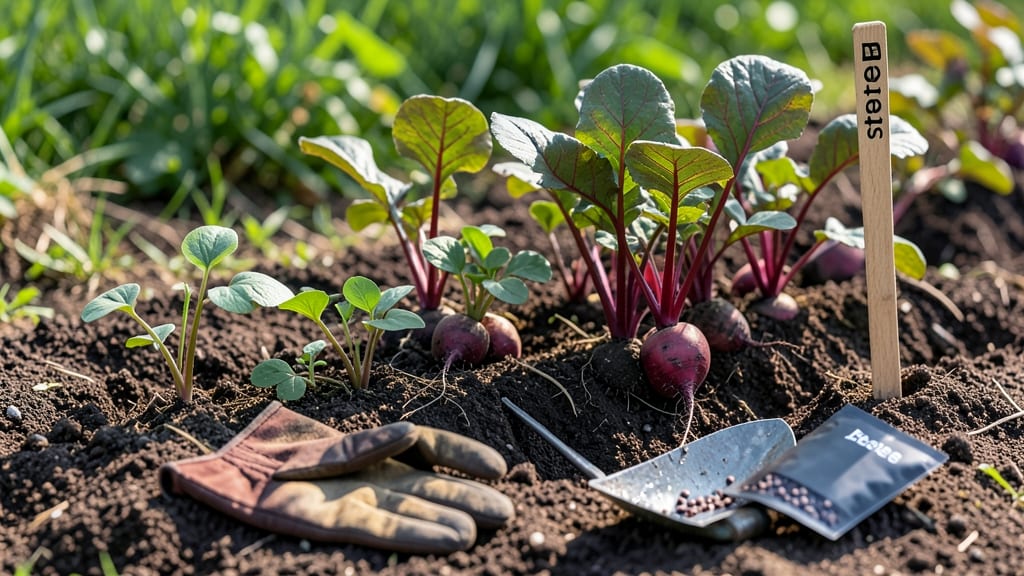
Knowing when to plant beets in Illinois is the difference between a bountiful harvest and a sad, stunted garden. These earthy roots 🍠 thrive when planted at just the right moment—too early, and they bolt; too late, and your yield suffers.
With Illinois' unpredictable frost dates (mid-April to mid-October), timing matters more than you might think.
Most gardeners here swear by two perfect windows: early spring (March-April) for a summer harvest or late summer (July-August) to enjoy fresh beets through fall. The key? Soil temperatures above 45°F—cold soil slows germination, leaving your seeds waiting in vain.
I’ll show you exactly how to nail those dates, whether you’re in Chicago’s urban gardens or rural USDA Zone 5-6 farms.
But here’s the secret Illinois gardeners don’t always talk about: you can actually extend your beet season well into fall with the right tricks. Succession planting and frost protection (like row covers) let you harvest until October, giving you a longer table full of sweet, tender roots.
No more rushing to eat your harvest before the first frost!
Ready to unlock the best beet harvest of your life? Let’s dive into the exact planting schedule, soil prep tips, and pro moves to keep your beets thriving—no matter where you garden in the Prairie State.
Illinois beet planting calendar: exact weeks before last frost by region
Timing your beet seeds in Illinois depends on your last frost date and soil temperature thresholds. Chicago’s average last frost falls around April 15, while St. Louis and Springfield see frost 2-3 weeks earlier.
For sweetest roots, plant when soil reaches 45°F+, typically 3-4 weeks before your area’s last frost.
Beets thrive in cool weather but bolt (go to seed) if exposed to heat stress. In Illinois, this means spring planting should finish by mid-May, while fall planting (for late harvests) starts in early August.
Let’s break down the exact planting windows by region to maximize your yield.
🔍 Regional Planting Windows for Illinois:
| Region | Last Frost Date | Spring Planting Window | Fall Planting Window | Soil Temp Threshold |
|---|---|---|---|---|
| Northern IL (Chicago) | April 15 | March 15 - April 15 | August 1 - August 15 | 45°F+ |
| Central IL (Springfield) | April 1 | March 1 - April 1 | July 20 - August 10 | 45°F+ |
| Southern IL (St. Louis) | March 25 | February 20 - March 25 | July 10 - August 5 | 45°F+ |
For baby beets (harvested at 1-2 inches), you can plant 2-3 weeks later than full-sized varieties. This gives you a longer harvest window before roots mature. For example, in Chicago, plant Detroit Dark Red (full-sized) by April 1 but Babybeat (baby beets) as late as April 15.
In Illinois’ humid summers, late plantings risk bolting or leaf spot diseases. To avoid this, use shade cloth or plant in partial shade during peak heat. For fall harvests, aim to plant 8-10 weeks before your first frost—typically early August in most regions.
Pro tip: Use a soil thermometer to confirm 45°F+ soil temps before planting. Cold soil slows germination, leading to uneven sprouts. If temps drop below 40°F, wait 1-2 weeks or use row covers for faster warming.
For continuous harvests, stagger plantings every 2-3 weeks in spring and 3 weeks in fall. This ensures fresh tender beets all season without overcrowding. In Illinois, this means 3-4 plantings in spring and 2 plantings in fall for most gardeners.
Bolting is your biggest enemy in late spring. If your beets flower, they’ll produce woody roots. To delay bolting, choose heat-tolerant varieties like ‘Crimson Globe’ or ‘Chioggia’, and keep soil consistently moist during dry spells. Mulch with straw or grass clippings to retain moisture and cool roots.
In Southern Illinois, where winters are milder, you can even try a winter harvest by planting in late September and covering rows with thick mulch or frost cloth. These overwintered beets often produce sweeter roots in early spring.
🌱
How to extend your beet harvest in Illinois: succession planting & frost protection
Beets thrive in Illinois’ short growing season, but with the right strategies, you can enjoy fresh harvests from early spring to late fall. The key? Succession planting and simple frost protection techniques that let you push your harvest window by 6-8 weeks beyond the average last frost date.
Start by planting your first batch of beet seeds 4-6 weeks before your last frost date (typically early March in southern Illinois or late March in Chicago).
This gives you a head start while avoiding the bolting risk from cold soil temperatures. For a continuous supply, make 3-week intervals between plantings through mid-July.
To extend your harvest into fall, plant a second batch in late July to early August. Choose bolting-resistant varieties like 'Detroit Dark Red' or 'Golden' for better heat tolerance. With proper care, these late plantings can yield harvests until mid-October—just in time for winter storage.
🌱
- Succession Planting