
Plants
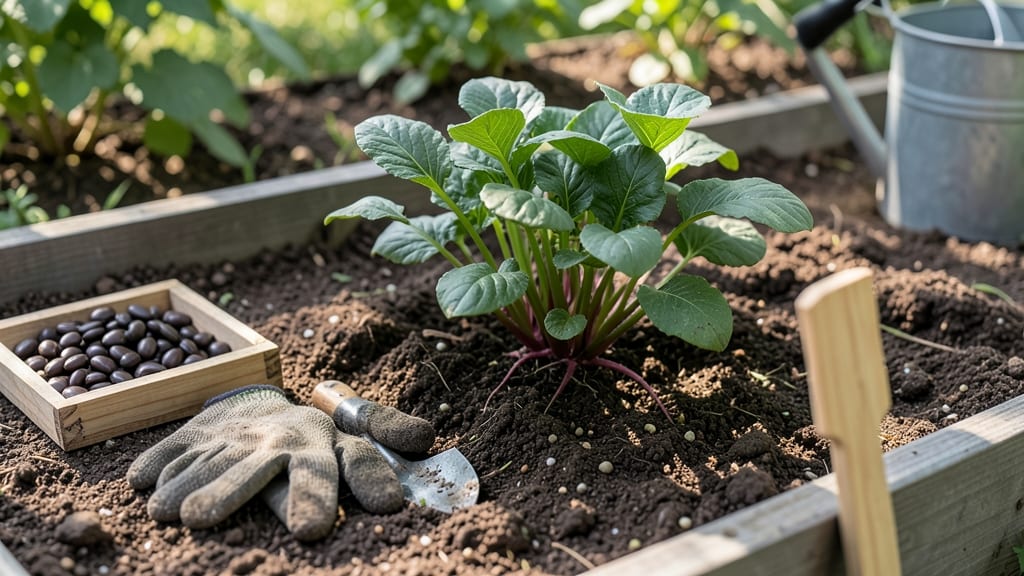
If you’ve ever wondered when to plant beets in Central Florida for the sweetest, crispest harvests, timing is everything—and the window is narrower than you think.
Unlike northern gardens, Florida’s frost-free 9a climate means you can’t rely on chilly winters to slow down growth, but that also means you can grow beets year-round with just a few adjustments.
The 3-month window for ideal planting—September through November—lets you beat the summer heat while avoiding the stress of bolting (when beets flower too early and turn woody). But don’t stop there: a second, shorter window in February and March gives you a spring harvest just as delicious.
Skip the summer months entirely, though—those 90°F+ days will turn your beets bitter before they even mature.
Here’s the game-changer: soil prep and spacing make all the difference in Central Florida’s humidity. Beets need well-drained soil to avoid splitting, and rows spaced 12 inches apart keep pests at bay.
Whether you’re aiming for a fall feast or spring salads, I’ll walk you through the exact steps to turn your garden into a beet bonanza—no guesswork, just results.
Ready to grow tender, homegrown beets that outshine store-bought? Let’s dive into the secrets of timing, soil, and heat management so you can enjoy fresh harvests from November to May—without the stress of Florida’s unpredictable summers.
Best planting times for beets in Central Florida’s climate zones
Central Florida’s frost-free climate (USDA Zone 9a) means beets thrive year-round—but timing is everything to avoid bolting or heat stress. The 3-month ideal window splits into two cycles: fall (September–November) and spring (February–March).
Outside these months, extreme heat or humidity can turn your sweet roots into bitter, fibrous messes.
Unlike northern climates, you’ll skip winter planting entirely—beets despise freezing temperatures (even light frost) and prefer cool soil (60–70°F). In Central Florida, summer planting (May–August) is a no-go: temperatures above 85°F trigger bolting (flowering), and roots develop a woody texture.
Instead, focus on cooler months when days are shorter and soil stays moist.
Your microclimate matters. Urban areas like Orlando and Tampa experience higher heat islands than rural zones, so adjust planting 1–2 weeks earlier in cities. For example, Gainesville’s slightly cooler nights let you push fall planting into early December, while coastal regions may need shade cloth even in fall.
| Planting Window | Ideal Soil Temp (°F) | Average Day Length | Key Considerations |
|---|---|---|---|
| September 1–15 | 75–80°F (cools fast) | 12.5 hours | Start early to beat summer heat; use shade cloth if needed. |
| October 1–31 | 70–75°F (perfect) | 11.5–12 hours | Best window—cool nights, minimal pests, sweetest roots. |
| November 1–15 | 65–70°F (ideal) | 11 hours | Harvest by December 1 before humidity rises. |
| February 15–March 15 | 68–72°F (warming) | 11.5 hours | Avoid late March—heat stress increases by April. |
For spring planting, start seeds indoors (February 1) or use cold frames to harden off seedlings before transplanting. In fall, direct-sow seeds 1/2 inch deep in well-draining soil with 12-inch row spacing.
Thin seedlings to 3–4 inches apart once they’re 2 inches tall—this prevents competition and ensures plump roots.
Pro tip: Test your soil’s pH (beets prefer 6.0–7.0). Central Florida’s sandy soils often need compost or aged manure to retain moisture. Add 2–3 inches of mulch (straw or pine needles) to keep soil temps stable and reduce bolting risks during warm spells.
Urban gardeners in concrete-heavy areas (like Orlando’s downtown) should use raised beds filled with 50% native soil + 50% compost. This mimics rural loam and improves water retention. If your yard floods easily, plant on mounds to prevent root rot—a common issue in humid November.
Watch for leaf yellowing, a sign of nitrogen deficiency or overwatering. In spring, a light fertilizer (5-10-10) at planting boosts growth, but skip fertilizer in summer—it encourages leafy growth over roots.
For fall harvests, stop fertilizing 6 weeks before picking to concentrate sweetness in the roots.
Remember: Central Florida’s heat tolerance limit for beets is 85°F for 3+ days. Use shade cloth (30–50%) if planting in late September or early March to buy extra time. With this precision, you’ll harvest crisp, sweet beets from November to May—no frost required!
How to extend your beet harvest season in Central Florida
Central Florida’s frost-free climate lets you grow beets nearly year-round, but summer heat and humidity demand smart strategies.
By using succession planting, shade solutions, and cold-hardy varieties, you can enjoy fresh beets from late winter through early summer—without the bolting or pest problems that ruin summer crops.
Let’s break down the proven methods I’ve used in my own garden to stretch your harvest beyond the usual fall window.
Start with short-day varieties like ‘Detroit Dark Red’ or ‘Babybeat’—these handle Florida’s long days better than traditional types. Plant them in early spring (February-March) and again in late summer (August) for a fall harvest.
The key is avoiding temperatures above 85°F, which triggers bolting. Use shade cloth (30-50%) during peak afternoon heat to keep soil temps cool and roots sweet.
For a year-round supply, try this schedule:
- Winter (Dec-Feb): Plant cold-hardy varieties like ‘Chioggia’ in raised beds with row covers for extra protection.
- Spring (Mar-May): Focus on succession sowings every 2 weeks to keep a steady harvest.
- Fall (Sep-Nov): Your primary window, but extend it by using mulch to insulate roots from late-season heat spikes.
🌱 5 Proven Strategies to Extend Your Beet Season
- 📅 Succession Plant every 2 weeks in spring/fall for continuous harvests (avoid summer heat).
- ☀️ Use 30-50% shade cloth during summer to prevent bolting (keep soil temps <85°F).
- ❄️ Plant cold-hardy varieties in winter with row covers for frost-free protection.
- 🌿 Try container growing for summer—pots heat up slower than in-ground soil.
- 🍃 Companion plant with lettuce or radishes to deter pests and share nutrients.
Don’t overlook container growing for summer—pots in partial shade stay cooler than garden beds. Fill them with well-draining potting mix and plant ‘Babybeat’ or ‘Little Ball’ varieties, which mature in just 40 days.
I’ve had success with 5-gallon buckets on my patio, keeping them under a 4’x6’ shade sail to filter harsh afternoon sun.
For fall extensions, mulch heavily with straw or black plastic to maintain even soil temps. This delays bolting and keeps roots tender longer. Test your soil’s pH (6.0-7.0)—beets in slightly acidic soil develop bolting-resistant roots.
If your soil’s too alkaline, amend with sulfur or peat moss before planting.
Timing is everything: Aim to harvest before daylengths exceed 14 hours (typically after June). Use drip irrigation in the morning to keep foliage dry and prevent fungal diseases like leaf spot. With these adjustments, you’ll enjoy homegrown beets from January through May—no grocery store needed!