
Plants
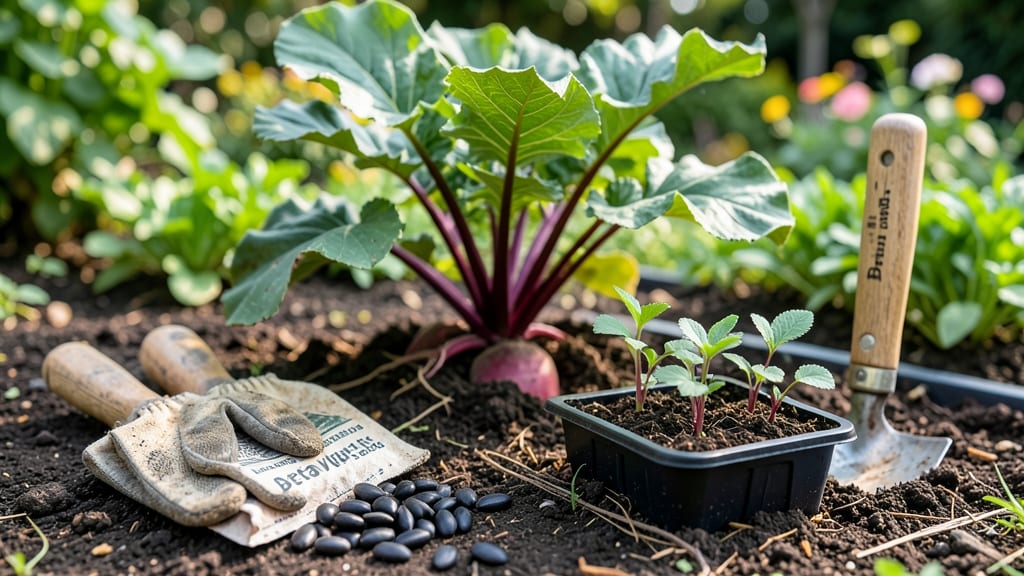
Knowing when to plant beets in Arkansas could mean the difference between a garden full of sweet, tender 🍠 and a patch of bitter disappointment. Arkansas gardeners face unique challenges—from unpredictable spring frosts to sweltering summer heat—that demand precise timing to avoid bolting or stunted growth.
With USDA Zones 7a-8a offering two prime planting windows, you’ve got options: March-April for spring harvests or August-September for fall. But getting the timing wrong can turn your beets into tough, woody messes—or worse, bolt before you even taste them.
In this guide, I’ll break down the exact frost-free deadlines by region (North vs. Central vs. South Arkansas) and share proven strategies to extend your beet season. Whether you’re a first-time gardener or a seasoned pro, these tips will help you avoid common pitfalls and maximize your harvest.
Ready to grow beets that rival your favorite farmers' market finds? Let’s dive into the month-by-month schedule that works for Arkansas’ climate—and why waiting too long (or planting too early) can ruin your crop before it even starts.
Arkansas beet planting deadlines by month: avoiding frost and bolting
Arkansas' USDA Zones 6b-7a create a 210-day frost-free window—perfect for two beet harvests per year. The key is planting 4-6 weeks before your last frost date (typically mid-March in North Arkansas and late February in South Arkansas) to avoid early bolting from sudden heat.
For spring planting, aim for March-April when soil temps hit 50°F (10°C). In fall, plant August-September for harvest before first frost (usually mid-November). Missing these windows risks stunted growth or bitter-tasting beets.
Northern Arkansas (Zones 6b-7a) has earlier frost risks, so start seeds indoors 4-6 weeks before last frost. Central/Southern Arkansas can plant directly outdoors 2-3 weeks earlier. Always check your local frost dates—they vary by 5-10 days across the state.
Here’s your month-by-month planting guide, including soil prep tips to prevent bolting:
| Month | Planting Window | Soil Temp | Key Tip |
|---|---|---|---|
| February | South AR only (start indoors) | 45-50°F (7-10°C) | Use grow lights if nights are cold |
| March | All regions (outdoors) | 50-55°F (10-13°C) | Mulch with straw to retain warmth |
| April | Last chance for spring | 55-60°F (13-16°C) | Thin seedlings to 3" apart |
| August | Fall planting begins | 60-65°F (16-18°C) | Use shade cloth if >90°F |
| September | Best fall harvest | 55-60°F (13-16°C) | Harvest before first frost |
Bolting is your biggest enemy in Arkansas’ unpredictable spring weather. To prevent it, choose bolting-resistant varieties like 'Detroit Dark Red' or 'Golden', and avoid planting when daytime temps exceed 80°F (27°C).
For North Arkansas, add 1-2 weeks to these deadlines—frost lingers longer. In South Arkansas, you can push spring planting to early May for a late-summer harvest, but expect smaller roots in heat.
Pro tip: Test your soil’s pH (6.0-7.0 ideal) before planting. Arkansas’ clay soils often need compost or sand to improve drainage. Amend beds 4-6 weeks before planting for best results.
Remember: Beets grow slower in heat, so prioritize spring and fall plantings. With these deadlines, you’ll avoid the 3 most common Arkansas beet failures: bolting, pests, and poor soil prep.
Arkansas beet planting deadlines by month: avoiding frost and bolting
Arkansas gardeners face a unique challenge with beet planting: the state’s USDA Zones 6b-7a bring early springs and late falls, but summer heat can cause bolting if planted too late.
Timing matters most between March and April for spring crops and August-September for fall harvests. Missing these windows risks frost damage or poor root development.
Northern Arkansas (e.g., Fayetteville) has later last-frost dates (March 25), while southern regions like Little Rock can plant 2 weeks earlier. Soil temperature must reach 50°F for germination—use a soil thermometer to confirm readiness.
I’ve learned the hard way that rushing planting before soil warms leads to slow, uneven sprouts.
| Region | Spring Planting Window | Fall Planting Window | Last Frost Date |
|---|---|---|---|
| North (Zone 6b) | April 1-15 | August 15-Sept 1 | March 25 |
| Central (Zone 7a) | March 15-April 1 | August 1-Sept 15 | March 15 |
| South (Zone 7b) | February 28-March 15 | July 31-Aug 15 | February 28 |
For spring planting, aim to harvest by June 1 to avoid summer bolting. I’ve found that Detroit Dark Red varieties handle heat better than Golden Beets. Start seeds indoors 4-6 weeks before your region’s last frost date—this gives seedlings a head start.
In my Little Rock garden, I plant March 1 for a May harvest, then succession plant every 2 weeks until April 15.
Fall planting requires 80-90 days to maturity, so schedule seeds by August 15 for a November harvest before hard frosts. Use row covers in October to extend the season. I’ve had success with Chioggia beets in fall—their striped roots add visual appeal to winter salads.
Just remember: overcrowding leads to small, misshapen beets, so space seeds 1-2 inches apart and thin to 3-4 inches when seedlings are 2 inches tall.
Watch for early bolting—a sign your beets are stressed by heat or drought. If you see flower stalks, harvest immediately or pull the plant. In July-August, I use shade cloth (30-50%) to protect seedlings from Arkansas’ 90°F+ afternoons.
Mulch with straw or grass clippings to keep soil cool and moist, which prevents bolting and improves root quality.
Pro tip: Mark your calendar for USDA’s Plant Hardiness Zone Map updates—Arkansas’ zones shift slightly each year. For 2024, I’m adjusting my spring planting to March 10 in Central Arkansas due to earlier warming trends.
Always check local Almanac frost dates and adjust by 1-2 weeks based on your microclimate.