
Planting
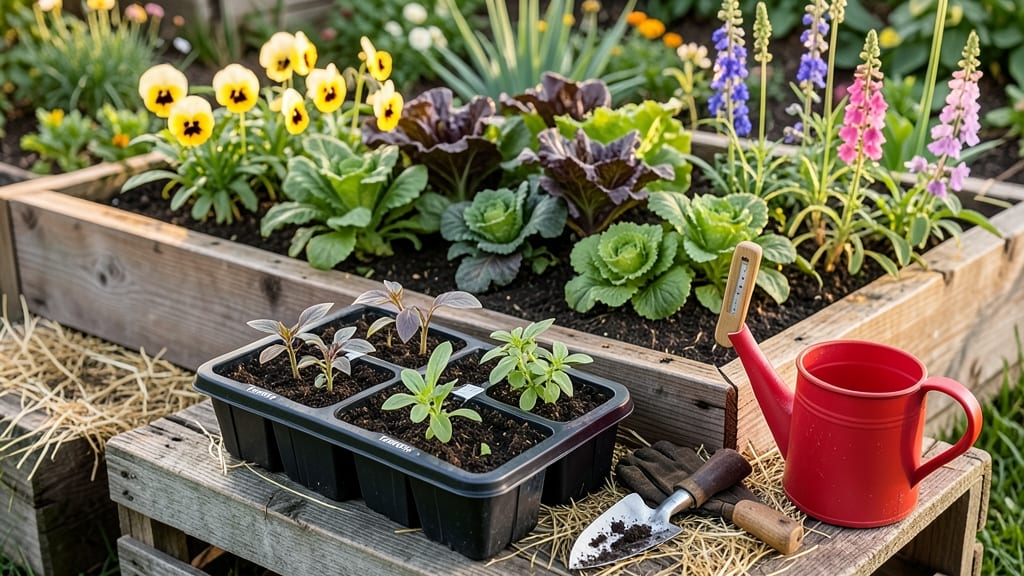
Timing your garden planting in New Brunswick is the key to avoiding frost-killed dreams and maximizing your harvest. With last frost dates varying dramatically from Fredericton to Saint John, getting the schedule right means the difference between a thriving 🌱 patch and wasted effort.
I’ve spent years watching New Brunswick’s unpredictable spring transitions, and what I’ve learned is that local microclimates can shift planting windows by weeks. Whether you’re starting seeds indoors in March or transplanting tomatoes in June, knowing your zone’s frost-free deadline is non-negotiable.
In this guide, I’ll break down the exact planting windows for vegetables, flowers, and perennials—plus how to adjust for early or late seasons. No more guessing whether your soil is warm enough or if those seedlings are safe to go outside.
Ready to turn your garden from a gamble into a guaranteed success? Let’s get those seeds in the ground at the perfect moment.
New Brunswick’s frost-free dates by region: critical planting windows for 2024
New Brunswick’s climate varies dramatically between its coastal areas and inland regions, making frost dates the single most important factor for successful planting.
In Fredericton, the last spring frost typically arrives between May 10-15, while Saint John coastal gardeners can plant outdoors as early as April 25-May 5 thanks to milder maritime influences.
Rural areas and higher elevations in the Saint John River Valley often experience frost 2-3 weeks later than major cities. For example, Moncton’s frost-free window opens around May 5-10, but gardeners in Woodstock should wait until May 15-20 to avoid late-season damage.
Understanding these regional differences helps you choose heat-loving crops like tomatoes and peppers for early planting in Saint John, while cool-season crops such as kale and spinach thrive when planted in Fredericton’s fall window (September 1-October 15).
| Region | Last Spring Frost | First Fall Frost | Spring Planting Window | Fall Planting Window |
|---|---|---|---|---|
| Saint John | April 25-May 5 | October 10-20 | May 10-June 1 | August 15-Sept 15 |
| Fredericton | May 10-15 | October 5-15 | May 20-June 10 | August 1-Sept 10 |
| Moncton | May 5-10 | October 10-20 | May 15-June 5 | August 10-Sept 15 |
| Rural Areas (Woodstock) | May 15-20 | September 25-Oct 5 | June 1-June 15 | July 20-Aug 10 |
Microclimates play a huge role in New Brunswick gardening. A south-facing slope in Fredericton might warm up 3-5 days earlier than a north-facing garden in the same neighborhood. Urban areas with pavement and buildings can also create warmer microclimates, allowing earlier planting of heat-sensitive crops like cucumbers.
For warm-season crops, wait until soil temperatures reach 10°C (50°F)—a critical threshold for tomatoes and peppers. Use a soil thermometer to check, especially in cooler inland areas where frost lingers. I’ve seen gardeners in Grand Falls lose entire tomato plants by planting too early!
Fall planting offers a second chance for cool-season crops like broccoli and carrots. In Saint John, you can plant until September 15, while Fredericton’s window closes by September 1. Use row covers to extend these windows by 2-3 weeks in most regions.
Always check the New Brunswick Agricultural Research Station’s annual frost reports for real-time adjustments. Their data accounts for year-to-year variability—something critical for gardeners dealing with New Brunswick’s unpredictable spring weather.
Pro tip: Mark your calendar for Mother’s Day weekend (May 12-14) as a general rule—it’s when most of New Brunswick’s major cities reach safe planting temperatures for warm-season vegetables. But don’t rely on it blindly!
For perennials and shrubs, plant in early spring (April-May) when soil is workable but before buds break. Bulbs like tulips should go in fall (October-November) for spring blooms.
Best vegetables and flowers to plant in New Brunswick: month-by-month guide
New Brunswick’s short but sweet growing season demands smart planning—some plants thrive in cool spring soil, while others need warm summer heat. My March-May garden starts with cold-hardy greens like spinach and kale, while tomatoes and peppers wait until June’s warmth.
Let’s break it down month by month for your highest-yield harvests.
March is all about indoor starts—sow tomatoes, peppers, and herbs under grow lights. By April, harden off seedlings and plant early potatoes, peas, and lettuce directly in well-draining soil. May brings warm-season crops like cucumbers and beans once night temps stay above 10°C (50°F).
🌱
March
Start tomatoes, peppers, and herbs indoors. Test soil—amend with compost if needed.
April
Plant potatoes, peas, and lettuce outdoors. Cover seedlings with frost cloth if nights dip below 5°C (41°F).
May
Transplant tomatoes, peppers, and zucchini. Direct-sow beans and squash after last frost.
June-August
Sow fall crops like kale and radishes. Succession plant lettuce every 2 weeks for continuous harvests.
September
Plant garlic and hardy flowers (e.g., pansies) for spring blooms. Cover soil with straw mulch.
For flowers, March is perfect for tulip bulbs and daisies, while July-August welcomes sunflowers and marigolds. My top 3 perennials—lavender, coneflowers, and hostas—thrive with minimal fuss once established.
Pro tip: Use New Brunswick’s Planting Calendar from the NB Department of Agriculture to adjust for your specific microclimate. Coastal areas like Saint John warm faster than Fredericton’s inland zones.
🌿
Don’t forget succession planting! Replace harvested lettuce or radishes with new seeds every 2-3 weeks to maximize your small-space yields. Even a 10x10-foot plot can feed a family with smart planning.