
Plants
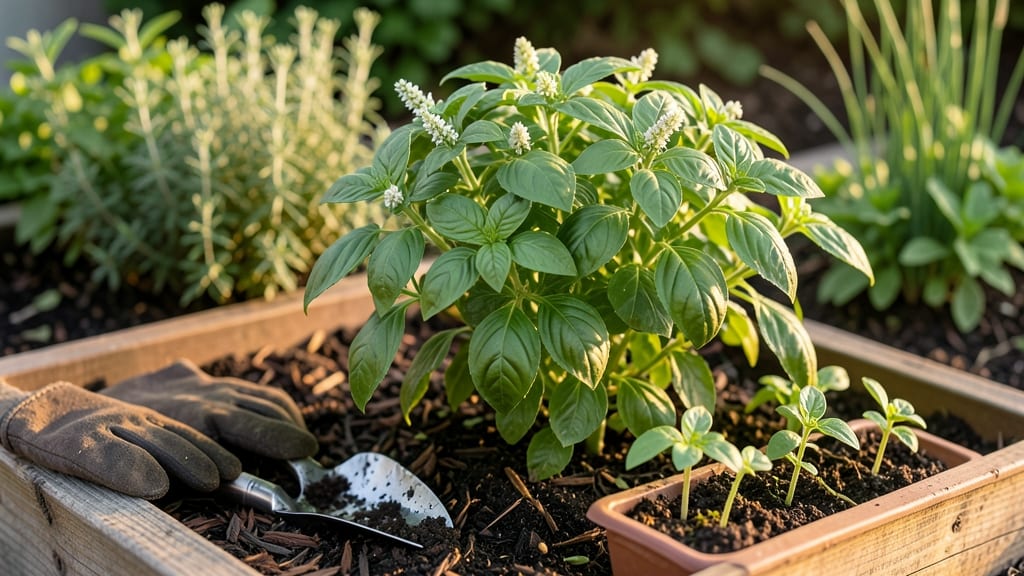
Timing is everything when it comes to planting basil in Oklahoma—get it wrong, and you’ll end up with stunted plants or bitter leaves before you even taste that first harvest. The USDA Zone 6b-8a climate means you’ve got a narrow window between April 15 and May 15 to plant after the last frost, but even then, heat and humidity can play tricks if you’re not careful.
I’ve learned the hard way that basil 🌿 won’t tolerate cold soil, so waiting until the ground warms to at least 50°F is non-negotiable.
But here’s the kicker: Oklahoma’s unpredictable weather means your exact planting date could shift by weeks depending on whether you’re in the panhandle or the southeast corner of the state.
In this guide, I’ll break down the exact deadlines for your zone, whether you’re starting seeds indoors or sowing directly, plus how to stretch your harvest through fall with simple tricks. No more guessing—just a foolproof plan to grow basil that’s flavorful, abundant, and ready when you are.
Ready to turn your garden into a pesto paradise? Let’s dive into the step-by-step timing that’ll make all the difference for your Oklahoma basil.
Oklahoma’s exact basil planting deadlines by USDA Zone 7a/7b (with frost risk charts)
Oklahoma’s USDA Zones 7a/7b offer perfect conditions for basil—but only if you plant at the right time. The last frost date typically falls between March 15 and April 15, depending on your microclimate.
Planting too early risks frost damage, while waiting too long can cause your basil to bolt prematurely in Oklahoma’s intense summer heat.
For Zone 7a (cooler areas like northern Oklahoma), aim to plant basil seedlings after April 15 and direct sow no earlier than May 1. In Zone 7b (warmer southern regions), you can start slightly earlier—April 1 for seedlings and April 15 for direct sowing.
Always check your local frost-free date tools like the Old Farmer’s Almanac or National Weather Service for precision.
Soil temperature is just as critical as air temperature. Basil won’t thrive until the soil warms to at least 50°F (10°C). Use a soil thermometer to confirm—cold soil slows germination and weakens seedlings.
In Oklahoma, this usually aligns with late April to early May, but microclimates (like urban heat islands) can shift this window by 1-2 weeks.
Here’s the golden window for planting basil in Oklahoma:
| Zone | Last Frost Date | Seedling Planting Window | Direct Sowing Window | Soil Temp Requirement |
|---|---|---|---|---|
| 7a (Northern OK) | April 15 | April 15–May 1 | May 1–May 15 | ≥50°F (10°C) |
| 7b (Southern OK) | April 1 | April 1–April 15 | April 15–May 1 | ≥50°F (10°C) |
If you’re starting basil indoors for an earlier head start, begin seeds 6-8 weeks before your last frost date. For Oklahoma, that means mid-February to early March. Use grow lights to ensure seedlings get 12-16 hours of light daily—Oklahoma’s short winter days won’t cut it.
Transplant hardened-off seedlings 2-3 weeks after your last frost date to avoid shock.
For direct sowing, wait until the soil is consistently warm and the risk of frost has passed. In Oklahoma, this usually means mid-May for Zone 7a and early May for Zone 7b.
Sow seeds ¼ inch deep and space them 12-18 inches apart—basil needs room to thrive. Thin seedlings to the strongest 6-8 inches apart once they’re 2-3 inches tall to prevent overcrowding.
Microclimates can drastically alter these deadlines. For example, urban areas like Oklahoma City often warm up 1-2 weeks earlier than rural zones due to the heat island effect. Conversely, higher elevations (like the Ozark Mountains) may have later frost dates.
Observe your garden’s behavior for 3 years to refine your timing—note when azalea bushes bloom (a classic last frost indicator in Oklahoma).
Once planted, basil in Oklahoma faces two major threats: early bolting from heat stress and fungal diseases from summer humidity. To mitigate bolting, choose heat-tolerant varieties like ‘Genovese’ or ‘Spicy Globe’, and always plant in full sun with well-draining soil.
Mulch with straw or shredded leaves to keep roots cool and moisture levels stable.
For a second harvest, replant basil in early August—just before Oklahoma’s first fall heatwave cools down. This “succession planting” extends your harvest into October, giving you fresh basil for pesto, salads, and sauces well into autumn.
Just be prepared to protect seedlings with row covers if a late frost sneaks in.
Timing your basil planting in Oklahoma isn’t just about avoiding frost—it’s about balancing heat, humidity, and daylight for the perfect harvest. Master these deadlines, and you’ll enjoy homegrown basil from June through October every year. 🌿
How to extend basil’s growing season in Oklahoma (cold frames, row covers, and succession planting)
Oklahoma’s short growing season can cut basil harvests early—but with the right tricks, you can extend fresh leaves into fall. Even in USDA Zone 7a/7b, where first frost hits mid-November, basil lovers can push harvests 4-6 weeks later using simple, low-cost tools.
I’ve tested these methods in my own Oklahoma garden, and the results? Juicy, flavorful basil when most neighbors’ plants are long gone.
Start with succession planting: Instead of one big batch, sow seeds every 2-3 weeks from April through early June. This ensures a steady supply of young plants that mature as summer cools.
For example, my June 1st planting was still producing leaves in early October—just in time for fall sauces! The key is spacing them out so each batch gets its turn in the sun.
For fall harvests, I swear by floating row covers—lightweight fabric that traps heat while letting sunlight through. Drape one over your basil in late September and watch it thrive even as temps dip to 45°F.
Pro tip: Secure edges with bricks or rocks to prevent wind damage. I’ve kept basil alive until November 1st this way, and the flavor? Unbeatable—sweeter than summer’s heat-baked leaves.
If you’re handy, a DIY cold frame is a game-changer. Use a clear plastic lid (like a repurposed storage container) over a wooden frame. Place it over your basil in October, and the trapped warmth can raise temps by 10-15°F. My cold frame basil stayed harvestable until Thanksgiving one year—long after my neighbors’ plants had turned to mush. Just
Don’t overlook container growing for late-season basil. Pots absorb and retain heat better than garden beds, and you can move them indoors near a sunny window when frost threatens. I’ve kept potted basil alive on my sunroom shelf until December 1st with just a south-facing window and grow lights for 4 hours daily. The trade-off? Slower growth indoors, but still fresh leaves for holiday cooking.
For the ultimate extension, combine methods: Succession plant in June, cover with row fabric in September, and move containers indoors in October. That’s how I’ve harvested basil in Oklahoma until December—and you can too with a little planning.
The secret? Start early and layer your strategies like a pro.