
Plants
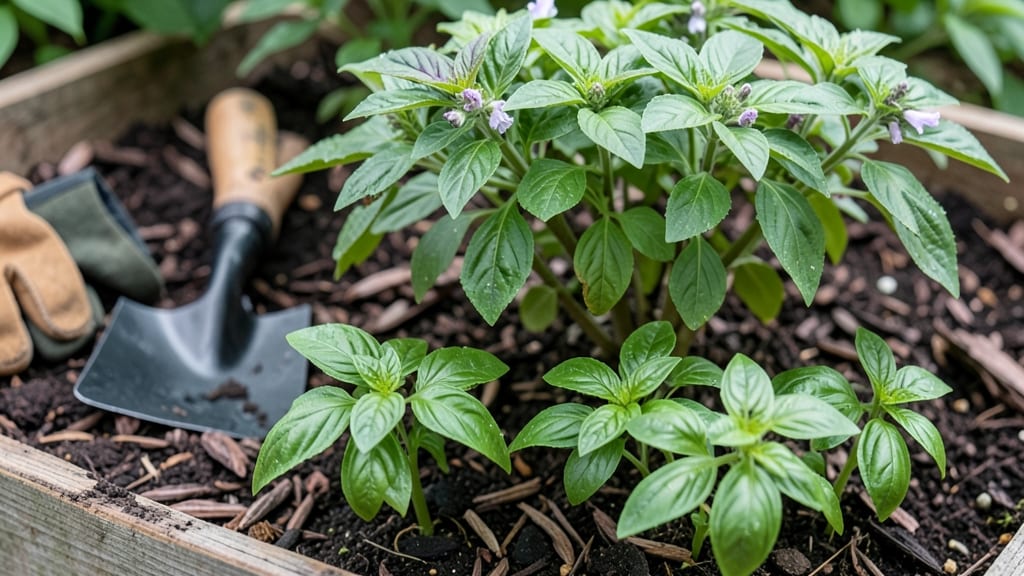
Timing your basil planting in Michigan isn’t just about avoiding frost—it’s about unlocking the flavor and growth potential of this beloved herb. 🌿 Whether you’re a seasoned gardener or a first-timer, getting those seeds in the ground at the right moment means the difference between lush, aromatic plants and sad, stunted ones.
Michigan’s USDA zones 5b-6b bring unique challenges, with last frost dates creeping from mid-April in southern regions to early May in the north. Plant too soon, and a surprise frost will wipe out your seedlings; too late, and you’ll miss the peak harvest season from June to October.
The sweet spot? Waiting until soil temps hit at least 50°F—a rule that keeps your basil thriving from day one.
But here’s the kicker: even the best timing won’t guarantee success if you don’t account for Michigan’s quirks—like sudden cold snaps or microclimates that can shift your planting window by weeks.
I’ll break down exactly when to plant, how to prep your soil, and whether containers or in-ground beds give you the edge in this unpredictable climate.
Ready to grow basil that tastes like summer? Let’s dive into the zone-specific strategies that’ll have you harvesting fresh leaves in no time—no guesswork, just flavor-packed results.
Michigan USDA Zones and ideal basil planting weeks before last frost
Michigan spans USDA Zones 4b through 6b, but basil thrives best in Zones 5b-6b where summers are warm enough for consistent growth. The key to success? Planting 2-4 weeks before your average last frost date—but only when soil temps hit at least 50°F.
Cold soil slows germination, while early planting risks frost damage to tender seedlings.
Southern Michigan (Zones 6a-6b) typically sees last frosts by mid-April, while northern areas (Zones 5a-5b) may wait until early May. Check your local Michigan State University Extension frost maps for precise dates—your county’s average can vary by 1-2 weeks from the norm.
For Zone 6b (southern MI), aim to plant basil April 15–May 1 outdoors. In Zone 5b (northern MI), wait until May 1–15 to avoid late-spring frosts. These windows ensure your basil gets 6-8 hours of full sun daily, critical for flavor development.
Cold-sensitive basil won’t tolerate frost, even as seedlings. Use row covers if planting early, but remove them by late May to prevent overheating. In containers, you can push planting to late May since pots warm up faster than soil.
If you’re unsure about your zone, plug your ZIP code into the USDA Plant Hardiness Zone Map for exact details. For example, Detroit (Zone 6b) can plant basil 2 weeks earlier than Traverse City (Zone 5b).
Always test soil temps with a soil thermometer—basil seeds won’t sprout below 50°F, even if frost risk is low.
For container gardeners, soil warms faster, so you can plant 1-2 weeks later than in-ground. Use black pots to absorb heat or place containers on dark mulch. Just ensure pots have drainage holes—basil hates soggy roots.
Pro tip: Direct-sow seeds after your last frost for hardier plants, but if you’re transplanting seedlings, harden them off for 7–10 days before moving outdoors. Acclimate them gradually to prevent shock from Michigan’s windy spring conditions.
Remember, basil grows fastest in warm soil. In Zone 6b, you might see harvest-ready leaves in 45 days, while Zone 5b plants may take 60 days to mature. Plan accordingly to maximize your summer harvest window.
🌱
Michigan USDA Zones and ideal basil planting weeks before last frost
Michigan spans USDA Zones 5b through 6b, and your exact planting window depends on where you live. Southern Michigan (Zone 6b) typically sees its last frost by mid-April, while northern areas (Zone 5b) often wait until early May.
To maximize your basil harvest, aim to plant 2-3 weeks after your average last frost date—this gives soil time to warm to at least 50°F, which basil loves.
For Zone 6b (southern Michigan), this usually means planting late April to early May. In Zone 5b (northern Michigan), wait until early to mid-May to avoid frost damage. Always check your local Michigan State University Extension frost date maps for precise timing—these can vary yearly.
| USDA Zone | Last Frost Date | Planting Window | Soil Temp Requirement |
|---|---|---|---|
| 5b (Northern MI) | Early May | Mid-May | 50°F+ |
| 6a (Central MI) | Late April | Late April-Early May | 50°F+ |
| 6b (Southern MI) | Mid-April | Late April | 50°F+ |
If you’re unsure about your exact zone, use Michigan’s historical frost data as a guide. For example, Detroit (Zone 6b) averages its last frost on April 15th, while Traverse City (Zone 5b) typically waits until May 10th.
Planting too early risks frost damage, while waiting too long may mean smaller plants by harvest time.
For container gardeners, you have extra flexibility. Move pots to a sheltered spot if nighttime temps dip below 50°F after planting. Basil in containers also warms up faster in spring, so you can often plant 1-2 weeks earlier than in-ground plants.
Test your soil temperature with a soil thermometer—basil seeds won’t germinate well below 50°F, and seedlings may struggle in cooler soil. If your soil is still chilly, consider black plastic mulch to warm it up faster.
Remember, Michigan’s short growing season means every day counts. Planting at the right time ensures you’ll enjoy fresh basil from June through October, with peak flavor in July and August when days are longest.