
Plants
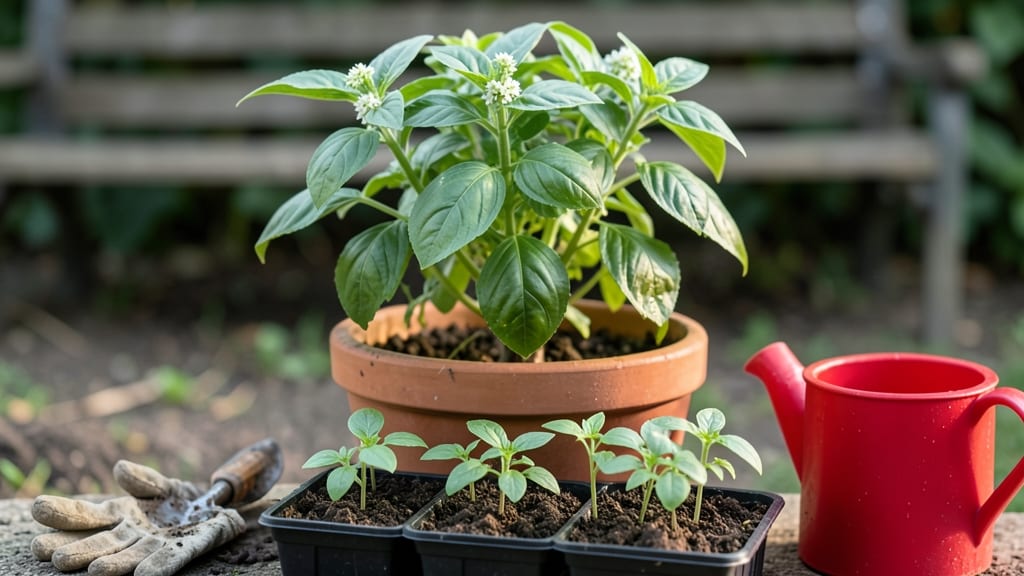
Timing your basil planting in California can feel like solving a puzzle—because what works in coastal San Francisco might fry your plants in the Central Valley's summer heat. Get it wrong, and you're stuck with leggy, bitter leaves or worse.
But nail the schedule, and you'll enjoy fresh 🌿 basil from spring through fall (or even year-round in mild zones).
The key is understanding your region's microclimate. Coastal gardeners can plant as early as March, while inland areas should wait until after the last frost—usually April or May. This isn't just about avoiding cold snaps; it's about matching basil's love for warm soil and consistent moisture.
Skip the guesswork, and I'll show you exactly when to start seeds or transplant seedlings for the best results.
Why does this matter? Because basil thrives in 7b-10b zones but hates surprises—like sudden heatwaves or chilly nights. We'll break down the perfect planting windows for your area, whether you're growing in raised beds or urban containers.
Plus, I'll share pro tips for extending your harvest so you're never without fresh basil for pesto or salads.
Ready to grow basil that tastes like summer? Let's dive into the secrets that'll keep your plants happy—and your kitchen stocked—all season long. No more wilted disappointments, just vibrant, flavorful 🌿 basil that's ready when you are.
Optimal basil planting times by California region (coastal vs inland)
California's diverse climate means your basil planting window can vary dramatically from coastal San Francisco to inland Sacramento. In coastal areas with milder winters, you can plant basil as early as February, while inland regions should wait until mid-April after the last frost.
Understanding these differences is key to avoiding frost damage or heat stress.
Basil thrives in USDA zones 7b-10b, but coastal zones like Los Angeles and San Diego often enjoy year-round growing thanks to their Mediterranean climate. Meanwhile, inland valleys like the Central Valley have shorter frost-free seasons, typically from April to November.
Let's break down the best times to plant for each region.
🌱 PRO TIP: Use a soil thermometer to confirm soil temperatures are above 55°F (13°C) before planting—this is crucial for seed germination and transplant success.
| Region | Last Frost Date | Best Planting Window | Frost-Free Days | Heat Stress Risk |
|---|---|---|---|---|
| Coastal (SF, LA, SD) | December 1 - January 15 | February - November | 300-365 days | Low (cooler summers) |
| Inland (Sacramento, Central Valley) | February 15 - March 1 | April 15 - September 30 | 240-280 days | High (100°F+ summers) |
| Desert (Palm Springs, Joshua Tree) | December 25 - January 10 | March 1 - October 31 | 270-300 days | Very High (extreme heat) |
For coastal gardeners, you can even plant basil in containers and move them indoors during rare cold snaps. In inland areas, focus on shade cloth during peak summer afternoons to protect your plants from heat stress.
I've found that Genovese basil handles coastal conditions better, while Spicy Globe basil tolerates inland heat slightly better.
If you're in a transition zone like the Bay Area, consider planting half your basil in February and the other half in late April. This staggered approach ensures you have fresh basil from spring through fall without gaps.
The key is monitoring your local microclimate—a spot near the coast may be 10°F cooler than just a few miles inland.
For container gardening, which is perfect for urban areas, you can plant basil 2-3 weeks earlier than in-ground plants. Containers warm up faster in spring and can be moved to sheltered spots if frost threatens.
Just ensure your pots have drainage holes—basil hates soggy roots, especially in humid coastal areas.
One common mistake I see is planting basil too early in inland regions, only to have it bolt to flower from the heat. Basil flowers signal the end of its productive life, so timing is everything.
Aim to have your plants mature before July's heat peak in inland areas, or provide afternoon shade to extend their harvest window.
Remember that soil temperature matters just as much as air temperature. Use a soil thermometer to confirm your soil is at least 60°F (15°C) before planting seeds or transplants. In cooler coastal mornings, this might mean waiting until late March even if frost risk is low.
For Southern California gardeners, you're in luck—you can often enjoy three basil harvests per year by planting in February, June, and September. The secret is choosing heat-tolerant varieties like Thai basil or Lemon basil, which handle the 100°F+ temps better than traditional Genovese.
Finally, always check your local agricultural extension service for frost alerts—they often provide hyper-local planting guides that account for your specific neighborhood's climate quirks. With the right timing, your basil plants will reward you with lush, flavorful leaves all season long. 🌿
Optimal basil planting times by California region (coastal vs inland)
California’s diverse climates make basil planting timing a critical decision. Coastal areas like San Francisco and Los Angeles enjoy mild winters, while inland zones like the Central Valley face hotter summers and earlier frosts. Understanding these differences ensures your basil thrives year-round.
For coastal regions, the growing season stretches nearly year-round. You can plant basil as early as late February and continue through October, avoiding only the coldest months.
In contrast, inland areas should wait until after the last frost date (typically mid-March) and finish by early September to avoid summer heat stress.
| Region | Last Frost Date | Best Planting Window | Heat Tolerance |
|---|---|---|---|
| Coastal (SF, LA) | December 1 - January 15 | Late February - October | Moderate (avoid summer heat) |
| Inland (Central Valley) | February 15 - March 1 | Mid-March - Early September | Low (heat-sensitive) |
In coastal areas, focus on spring and fall plantings to avoid summer heat, which can cause basil to bolt prematurely. Use shade cloth if temperatures exceed 85°F (29°C). Inland gardeners should prioritize early spring plantings and opt for heat-tolerant varieties like Genovese or Thai basil.
For container gardening, coastal gardeners can extend the season by moving pots indoors during winter. Inland areas benefit from drip irrigation to maintain consistent moisture during 90°F+ (32°C+) heatwaves. Both regions should test soil temperature before planting—ideal germination occurs at 70-85°F (21-29°C).
Remember, basil hates cold. Even coastal areas should avoid planting before soil temperatures reach 60°F (15°C). Use a soil thermometer to check—this simple tool prevents costly mistakes and ensures strong starts.
By aligning your planting schedule with your region’s climate, you’ll maximize your basil’s potential and enjoy fresh, flavorful leaves from spring to fall. 🌿