
Plants
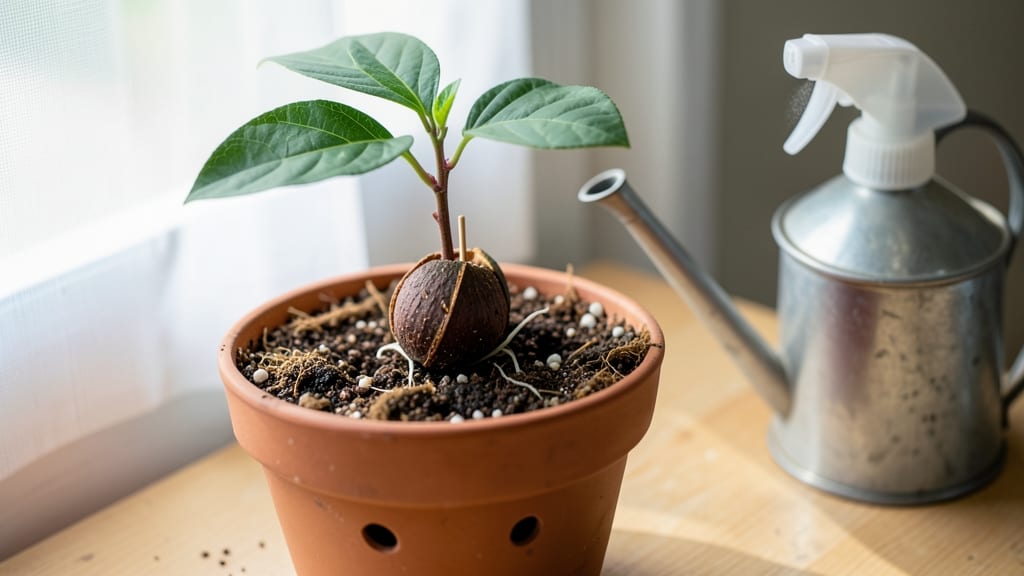
Planting an avocado pit in soil at the wrong time could mean the difference between a thriving 🥑 Avocado Tree and a sad, mushy mess. The key isn't just about sticking it in dirt—it's about understanding when your climate and the seed's needs align for the best start.
For most of us in USDA Zone 6 (and similar temperate areas), the sweet spot arrives in late spring after the last frost—typically around April. This timing gives your pit the warm, stable conditions it craves to sprout roots before summer's heat kicks in.
But here's the catch: indoor planting can happen year-round, while outdoor transplanting waits for warmer weather. I'll break down exactly when to plant for your specific setup, plus pro tips to avoid common pitfalls that sink even eager gardeners.
Ready to turn that kitchen scrap into a green thumb moment? Let's dive into the science—and save you from the guesswork that kills more avocado pits than you'd think.
Best time to plant avocado pits indoors: seasonal and climate guidelines
Planting an avocado pit indoors is a rewarding project, but timing directly impacts germination success. The best window to start is during the winter to early spring months (December through March in temperate climates), when indoor temperatures naturally stay consistent between 65-80°F.
This mimics the warm, stable conditions avocado pits need to sprout without rotting.
In tropical climates (USDA Zones 10-11), you can plant year-round since frost isn’t a concern. However, even in warm areas, avoid summer planting—high heat can dry out the pit too quickly before roots establish.
For most gardeners in USDA Zones 7-9, aim to plant by late February to give your seedling time to grow before outdoor transplanting.
Before planting, prepare your avocado pit by removing the flesh and letting it dry for 2-7 days. This prevents rot when placed in soil.
Once dry, insert 3-4 toothpicks around the pit’s middle to suspend it over a glass of water (the water method), or plant it directly in well-draining potting mix.
If using the soil method, plant the pit 1-2 inches deep in a small pot with cactus/succulent mix or a 50/50 perlite-peat blend. Keep the soil moist but not soggy, as avocado pits rot easily in waterlogged conditions.
Place the pot in bright, indirect light (like a south-facing window) to encourage slow, steady growth.
Germination typically takes 2-8 weeks, depending on temperature and humidity. In cooler homes (below 65°F), sprouting may take longer than 8 weeks—consider using a seedling heat mat to maintain warmth.
Once roots appear, you can transition to soil-only growth by planting the rooted pit in a slightly larger pot.
Once your avocado pit sprouts, maintain consistent moisture but reduce watering slightly to prevent fungal issues. After 4-6 weeks of growth, transplant the seedling into a 5-inch pot with fresh potting mix. Use a well-draining container to avoid root rot—a common killer of young avocado seedlings.
Pro tip: If you’re in a cold climate (USDA Zones 6-8), start your pit 8-10 weeks before your last frost date to give it time to grow strong enough for outdoor transplanting.
For example, if your last frost is April 15, begin planting by February 1 to ensure a healthy seedling by spring.
Remember, patience is key—avocado trees grown from pits take 5-13 years to bear fruit, but the journey starts with the right timing. Even if your seedling grows slowly, proper indoor care sets the foundation for a hardy, long-lived tree—whether you keep it indoors or eventually transplant it outdoors.
🌱
Outdoor planting timeline: when to transplant avocado seedlings safely
Transplanting your avocado seedling outdoors too soon can kill it—frost sensitivity and temperature shocks are the biggest threats.
In USDA Zones 9-11, you can plant as early as late winter, but most gardeners in Zones 6-8 should wait until after the last frost date, typically mid-to-late spring (April-May in most regions).
Before moving your seedling outside, check for hardiness signs: a stem thicker than a pencil and 3-4 mature leaves indicate it’s ready. Smaller seedlings lack the energy reserves to handle outdoor stress, so patience is key.
🚨 CRITICAL WARNING: Avocado trees cannot tolerate frost—even a light freeze (32°F/0°C) can kill young plants. Use a frost calculator (like the USDA Plant Hardiness Zone Map) to pinpoint your frost-free date and add 2-4 weeks as a buffer for safe transplanting.
⚠️ Frost Risk Alert
Avocado seedlings will not survive frost. If late frosts are forecasted after transplanting, use frost cloth or move pots indoors overnight. In Zones 6-8, delay outdoor planting until May 15th or later to avoid damage.
For container gardening, you can transplant earlier (as early as March in mild climates) since pots are easier to move indoors if needed. However, in-ground planting requires warmer soil temperatures (65°F/18°C+
After transplanting, acclimate your seedling gradually over 7-10 days by placing it outdoors for 2-4 hours daily, increasing exposure slowly. This hardening-off process prevents shock from sudden sunlight or wind. Once established outdoors, mulch around the base with 2-3 inches of organic mulch (like wood chips) to retain moisture and regulate soil temperature. Avoid mulching too close to the stem to prevent rot risk. In tropical climates (Zones 10-11), you can plant year-round, but spring (March-May) is ideal for faster growth due to longer daylight hours and consistent warmth. Just ensure your seedling is well-watered during the transition period.