
Plants
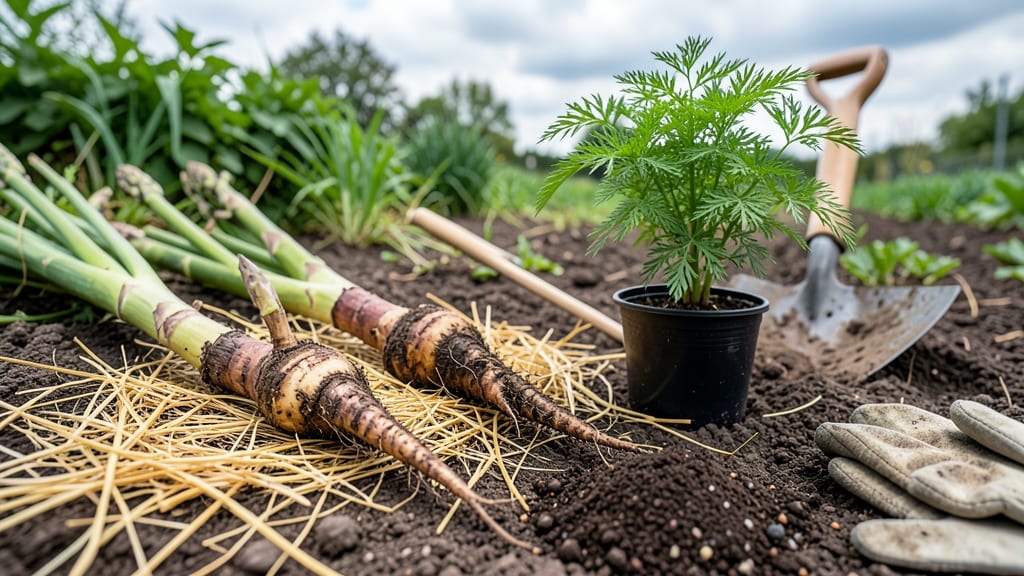
Timing your asparagus planting in Nebraska can mean the difference between a thriving garden and years of frustration—because this perennial vegetable demands patience, and Nebraska’s 5a-6b climate adds extra challenges.
Unlike annuals, asparagus crowns take 2-3 years to produce spears, so planting them at the wrong time could delay your harvest for decades.
Most gardeners in Nebraska focus on early spring planting (March-April), when soil temperatures rise above 50°F and frost risks fade—but fall planting is also an option for those who prefer cooler weather.
The key? Choosing cold-hardy varieties like ‘Mary Washington’ or ‘Jersey Knight’ and preparing soil with compost to combat Nebraska’s heavy clay or sandy loam.
I’ve tested these methods in my own garden, and the results speak for themselves: proper timing and soil prep mean fewer weeds, stronger crowns, and spears ready by late May.
Whether you’re a first-timer or a seasoned gardener, these Nebraska-specific tips will help you avoid common pitfalls and enjoy fresh asparagus for years.
Ready to dig in? Let’s break down the exact planting window, soil secrets, and variety choices that work best in Nebraska’s unpredictable climate—so you can start harvesting in just a few seasons.
Best planting timeline for asparagus in Nebraska’s climate zones
Nebraska’s Zone 4-6 climate demands precision when planting asparagus—miss the window, and you’ll wait 3 years longer for harvest. The key is planting 1-year-old crowns as soon as the soil warms to 50°F (10°C), typically between late March and mid-April in most regions.
Eastern Nebraska (Omaha/Lincoln) can plant 1-2 weeks earlier than western areas due to milder winters and slower soil warming.
For fall planting, aim for 6-8 weeks before first frost (late August to early September). This gives roots time to establish before winter dormancy. However, fall-planted crowns may produce smaller harvests in their first year compared to spring plantings.
Always use crowns, not seeds, for Nebraska’s short growing season—they mature faster and yield more reliably.
Here’s your region-specific timeline to avoid late frosts and maximize growth:
| Region | Spring Planting Window | Fall Planting Window | Soil Temp Trigger | First Frost Risk |
|---|---|---|---|---|
| Eastern NE (Omaha, Lincoln) | Late March - Early April | Late August - Early Sept | 50°F (10°C) | Mid-October |
| Western NE (Scottsbluff) | Mid-April - Early May | Early Sept - Mid-Sept | 55°F (13°C) | Late October |
| Panhandle (Chadron) | Early May | Mid-Sept | 60°F (16°C) | Early November |
Use a soil thermometer to confirm readiness—planting too early in cold soil can stunt root growth. In Zone 5a (western NE), wait until soil stays above 55°F (13°C) for 3+ days. For Zone 6b (eastern NE), you can plant as early as March 15 if soil thaws consistently.
Pro tip: Cover crowns with 1-2 inches of soil initially, then add more as shoots emerge. This mimics natural mulching and protects tender roots from late spring frosts, which can still hit Nebraska into May.
In my garden, I’ve found that black plastic mulch speeds up soil warming by 2-3 weeks in colder zones.
After planting, water deeply once a week to encourage root establishment. Avoid overhead watering—drip irrigation or soaker hoses reduce fungal risks like rust disease, common in Nebraska’s humid summers. By Year 2, your asparagus will reward patience with 10-15 spears per plant if timed correctly.
Remember: Nebraska’s short growing season means every day counts. Planting at the right soil temperature and preparing trenches 6-8 inches deep with compost ensures your asparagus crowns establish roots before summer heat arrives. With this timeline, you’ll harvest fresh spears by late May—just in time for grilling season!
🌱
Soil preparation secrets: how to turn Nebraska’s clay or sandy soil into asparagus gold
Nebraska’s soil can be a gardener’s toughest challenge—whether it’s the heavy clay in eastern regions or the sandy loam of the western plains. But with the right prep, you can create the perfect growing conditions for asparagus crowns to thrive.
The key? Amending your soil 6-8 weeks before planting to ensure proper drainage and nutrient-rich beds that support those long-lived perennials.
Start by testing your soil’s pH level, which should ideally be between 6.5 and 7.5 for asparagus. Nebraska’s native soils often lean alkaline, so you may need to add sulfur or peat moss to lower the pH if needed.
Grab a soil test kit from your local Nebraska Extension office—they’re affordable and provide actionable results tailored to your county.