
Plants
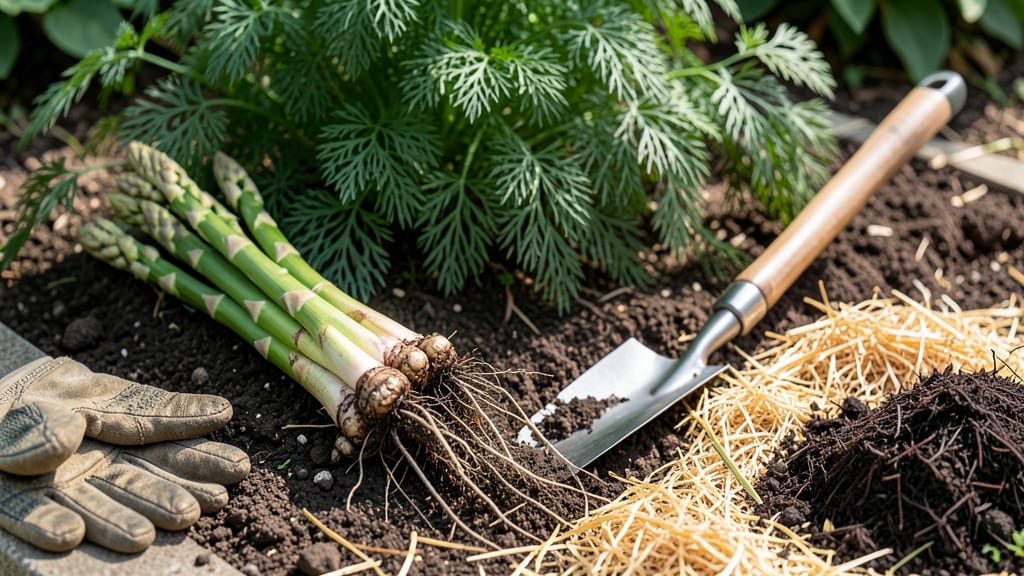
If you're dreaming of a homegrown asparagus harvest in Zone 9, timing your planting is the game-changer between success and frustration.
Unlike cooler climates, Zone 9's frost-free winters mean you can plant asparagus crowns in late winter or early spring—but there's a sweet spot that maximizes root growth before summer heat sets in.
Most gardeners in Southern California, Phoenix, or Las Vegas assume spring is the only option, but the truth is, fall prep can set you up for an earlier harvest. The key is understanding soil temperatures and how to avoid the pitfalls of Zone 9's intense summers.
Let me walk you through the exact window that works best for your region.
You'll discover why planting in December or January gives your asparagus a head start, how to adjust for coastal vs. inland microclimates, and the simple soil prep tricks that make all the difference. No more guessing—just a foolproof plan for year-round harvests starting as early as next spring.
Ready to turn your backyard into a perennial asparagus powerhouse? Let’s dive into the perfect timing and techniques that’ll have you enjoying fresh spears for years to come—without the common mistakes that trip up even experienced gardeners.
Optimal planting windows for asparagus in Zone 9: fall vs. spring breakdown
Planting asparagus in Zone 9 requires careful timing to avoid heat stress or crown rot. Unlike cooler zones, Zone 9’s frost-free winters and hot summers create unique challenges. The best windows are late winter to early spring—but fall planting can also work with adjustments.
Let’s break down the science behind these timings and how to adapt for your specific microclimate.
Zone 9 spans diverse regions like Southern California, Phoenix, and Las Vegas, each with distinct soil temperatures and rainfall patterns. Coastal areas (e.g., San Diego) stay milder year-round, while inland deserts (e.g., Phoenix) experience extreme heat.
Asparagus crowns thrive when soil temps hover between 40°F and 70°F—too hot or cold, and root development stalls.
Fall planting (October–November) gives crowns time to establish roots before summer heat arrives. Spring planting (February–March) aligns with natural growth cycles but risks stress if planted too late. The key? Soil temperature, not air temperature. Use a soil thermometer to confirm temps are ideal before planting.
Here’s how these windows compare for Zone 9 growers:
| Factor | Fall Planting (Oct–Nov) | Spring Planting (Feb–Mar) |
|---|---|---|
| Soil Temp Ideal Range | 50°F–65°F | 40°F–60°F |
| Best For | Cooler coastal areas (e.g., San Diego) | Inland deserts (e.g., Phoenix) |
| Root Establishment Time | 6–8 weeks before summer heat | 8–10 weeks before harvest season |
| Watering Needs | Moderate (avoid soggy soil) | Consistent (deep watering weekly) |
| First Harvest Window | Year 2 (March–May) | Year 2 (April–June) |
| Zone 9 Microclimate Tip | Use shade cloth in summer | Mulch heavily to retain moisture |
For coastal Zone 9 (e.g., Los Angeles), fall planting is ideal—soil stays cool longer, and crowns avoid summer heat stress. Inland areas (e.g., Phoenix) should prioritize spring planting to escape the brutal summer temperatures that can scorch young roots.
Pro tip: If planting in fall, choose early-maturing varieties like ‘Mary Washington’ or ‘Jersey Knight’ to ensure spears emerge before summer. Avoid planting in summer or late spring when soil temps exceed 75°F, as this triggers crown rot.
Soil preparation is critical. Amend your bed with sandy loam (50% native soil, 30% compost, 20% sand) to improve drainage—a must in Zone 9’s heavy clay soils. Test your soil’s pH (aim for 6.5–7.5) and adjust with lime or sulfur if needed.
Timing isn’t just about the calendar—it’s about soil conditions. Use a soil thermometer to confirm temps are in the ideal range before planting. For fall plantings, aim for 60°F soil temps; for spring, 50°F. This small step can mean the difference between thriving crowns and failed harvests.
Remember: Asparagus is a perennial investment. Proper timing now means 10–15 years of harvests—so choose your window wisely! 🌱
Optimal planting windows for asparagus in Zone 9: fall vs. spring breakdown
Zone 9’s mild winters and hot summers create unique challenges for asparagus planting. Unlike colder zones, you can plant asparagus in both fall and spring, but timing directly impacts root establishment and yield.
In Zone 9, fall planting (October–November) is often superior because cooler soil temperatures reduce crown stress, while spring planting (February–March) requires careful moisture management to avoid heat shock.
Asparagus crowns thrive when soil temps stay between 50–70°F. In Zone 9, fall planting lets crowns establish roots before summer heat arrives. Spring planting is riskier—planting too early (January) can lead to rot, while planting too late (April) stresses roots in rising temperatures.
Coastal areas (e.g., San Diego) have cooler microclimates, allowing slightly later fall planting than inland desert regions (e.g., Phoenix).
🌱 Comparison Table: Fall vs. Spring Planting in Zone 9
| Factor | Fall Planting (Oct–Nov) | Spring Planting (Feb–Mar) |
|---|---|---|
| Soil Temperature | 55–65°F (ideal for root growth) | 60–75°F (risk of heat stress) |
| Watering Needs | Moderate (cooler temps reduce evaporation) | High (frequent deep watering needed) |
| Root Establishment | 6–8 weeks before summer heat | 4–6 weeks (race against heat) |
| Best For | Coastal & inland (Oct–Nov) | Urgent harvests (Feb–Mar only) |
| Risk Factor | Overwatering in winter | Heat shock in April |
For coastal Zone 9 (e.g., Los Angeles), aim for late October–November planting. The ocean breeze keeps soil temps cooler longer, giving crowns extra time to root. In inland desert areas (e.g., Palm Springs), plant by mid-October to avoid early heat spikes.
If you choose spring planting, prioritize February—March plantings often suffer from 100°F+ soil temps by April.
Soil prep is critical in Zone 9. Asparagus hates soggy soil, so amend with sand or perlite to improve drainage.
Test your soil’s pH (6.5–7.5)—Zone 9’s alkaline soils often need sulfur or peat moss to lower pH. Mulch with straw or wood chips to retain moisture and regulate temperature. Without proper prep, even the best timing fails.
Pro tip: Use drip irrigation for new plantings. Zone 9’s intense sun evaporates water quickly, and surface watering can wash away soil amendments. Aim for 1–1.5 inches of water per week, delivered early in the morning to minimize fungal risks.
Avoid overhead sprinklers—they can spread disease in the warm, humid conditions of late spring.
Remember, asparagus is a perennial investment. A well-timed planting in Zone 9 can yield harvests for 10–15 years. Whether you choose fall or spring, prioritize cool soil temps, deep planting (8–12 inches), and consistent moisture—these three factors make or break your asparagus bed’s success. 🌱