
Plants
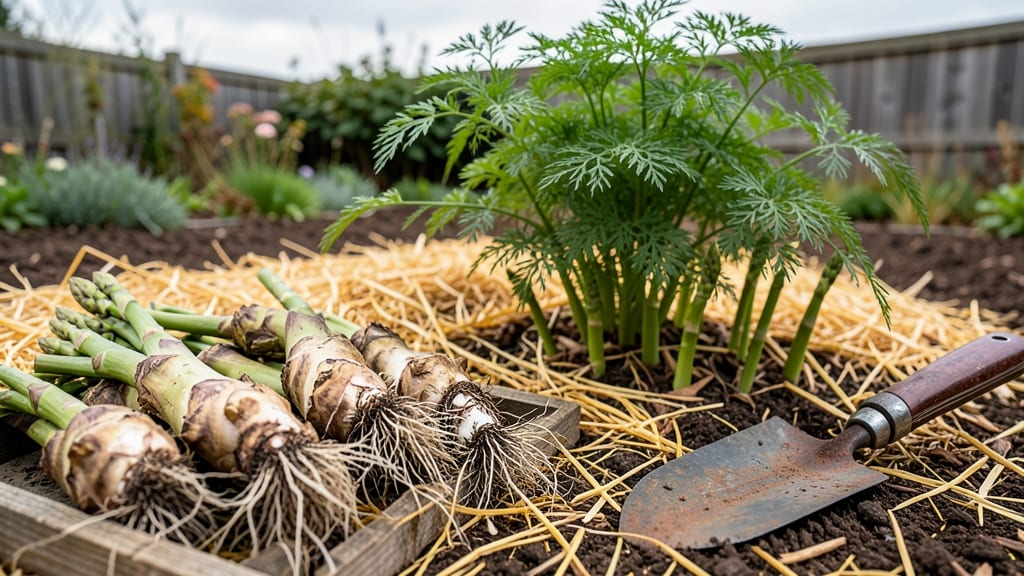
If you're dreaming of a bountiful asparagus harvest in Kentucky, timing your planting is the key to success—and getting it wrong could mean years of disappointment. The 6a-7a climate here demands precision, where a single week too early or late can stunt those prized spears before they even emerge.
Most gardeners in Kentucky plant asparagus crowns in early spring, but there's more to it than just picking a month. Soil temperature plays a game-changer role—waiting until the ground warms to 40-50°F ensures strong root establishment, while planting too soon risks frost damage.
I'll show you exactly how to read your soil's signals and adjust for Kentucky's unpredictable weather patterns.
What you'll discover is that while March and April are ideal, your location within the state matters. Bluegrass region gardeners might start slightly earlier than those in the Pennyrile area, where cooler soils linger longer.
We'll break down the best planting windows and how to extend your growing season for an earlier harvest.
By the end, you'll know not just when to plant your 🌱 asparagus, but how to create perfect conditions for spears that emerge thicker and more abundant than ever. Let's get those crowns in the ground at the perfect moment.
Best planting windows for Kentucky asparagus: soil temperature rules
Kentucky’s asparagus success hinges on soil temperature, not just calendar dates. Unlike many spring crops, asparagus crowns need 40–50°F soil to root properly. Plant too early in cold soil, and your crowns rot; wait too long, and you miss the early growth window before summer heat arrives.
The Bluegrass Region (USDA Zone 6b) typically hits 40°F soil by mid-March, while Pennyrile (Zone 7a) may wait until late March. Cumberland Plateau gardeners should aim for April to avoid late frosts. Always test soil with a soil thermometer—don’t guess!
| Factor | Kentucky Bluegrass (Zone 6b) | Pennyrile (Zone 7a) |
|---|---|---|
| Ideal Planting Month | Mid-March to early April | Late March to mid-April |
| Soil Temp Threshold | 40–50°F (4–7°C) | 40–50°F (4–7°C) |
| Last Frost Risk | March 15 (high risk) | March 20 (moderate risk) |
| Microclimate Tip | Use black plastic mulch to warm soil | Wait for consistent 50°F nights |
For seed-starting, Kentucky gardeners have a narrower window—sow seeds indoors 8–10 weeks before last frost (early January for Zone 6b, late January for Zone 7a). Transplant seedlings outdoors only after soil reaches 60°F and night temps stay above 45°F.
Pro tip: Pre-warm your planting beds by covering them with clear plastic 2 weeks before planting. This raises soil temps by 5–10°F, giving you a 2-week head start on the season. Just remove the plastic 24 hours before planting to avoid overheating roots.
If you’re planting crowns (the preferred method), choose 1-year-old crowns with 3–4 healthy buds. Dig trenches 6–8 inches deep and lay crowns horizontally, spacing them 12–18 inches apart. Cover with 3 inches of soil, leaving the buds exposed, then backfill as shoots emerge.
Avoid planting asparagus in wet, heavy clay soil—Kentucky’s low-lying areas often suffer from waterlogging, which causes crown rot. Amend soil with compost and coarse sand to improve drainage. If your yard has poor drainage, build raised beds instead.
Remember: Patience is key with asparagus. Crowns take 2–3 years to establish before producing harvestable spears. But if you nail the soil temperature and planting window, you’ll enjoy abundant harvests for 15+ years—far longer than most annual vegetables.
For Kentucky-specific soil temp tracking, check the UK Ag Weather Center or use a soil thermometer (available at garden centers for $10–$15). Planting at the right time isn’t just about timing—it’s about setting your asparagus up for a lifetime of success.
Best planting windows for Kentucky asparagus: soil temperature rules
Asparagus crowns in Kentucky demand precise timing—soil temperatures between 40–50°F trigger root growth, but waiting too long risks stunted plants. My USDA Zone 6b–7a garden thrives when I plant crowns in late March to early April, aligning with Kentucky’s average last frost date of March 15.
Seeds, however, need warmer soil (70°F+) and are best sown in May after all frost risk passes. The Bluegrass region’s milder microclimate allows earlier planting than the cooler Cumberland Plateau, where I delay until soil warms consistently.
How to test soil readiness: Use a soil thermometer at 4-inch depth. For crowns, aim for 45°F+ for 3+ days. For seeds, wait until 70°F+. My go-to tool? A digital thermometer with a probe—it’s accurate and saves guesswork.
| Planting Method | Ideal Soil Temp | Kentucky Window | Key Tip |
|---|---|---|---|
| Crowns (1-year-old) | 40–50°F | Late March–Early April | Plant 6–8" deep, 12–18" apart |
| Seeds | 70°F+ | Mid-May | Sow 1" deep, thin to 6" spacing |
| Transplants | 45°F+ | April–May | Hardy to light frost; mulch heavily |
Pro tip: In Zone 6b (e.g., Lexington), I plant crowns by March 20 to beat late frosts. In Zone 7a (e.g., Bowling Green), I stretch planting to early April. Always check the UK Ag Weather Center for localized frost alerts—it’s my secret weapon for avoiding surprises.
For soil prep, amend beds with compost and sand to improve drainage—Kentucky’s clay-heavy soils can suffocate asparagus roots. My test? Dig a hole, fill it with water, and check drainage. If it drains in 4 hours, it’s ready. If not, add more organic matter.
Remember: First-year spears are tiny (harvest none!), but proper timing now means 10+ years of harvests. Patience pays off—literally! 🌱