
Plants
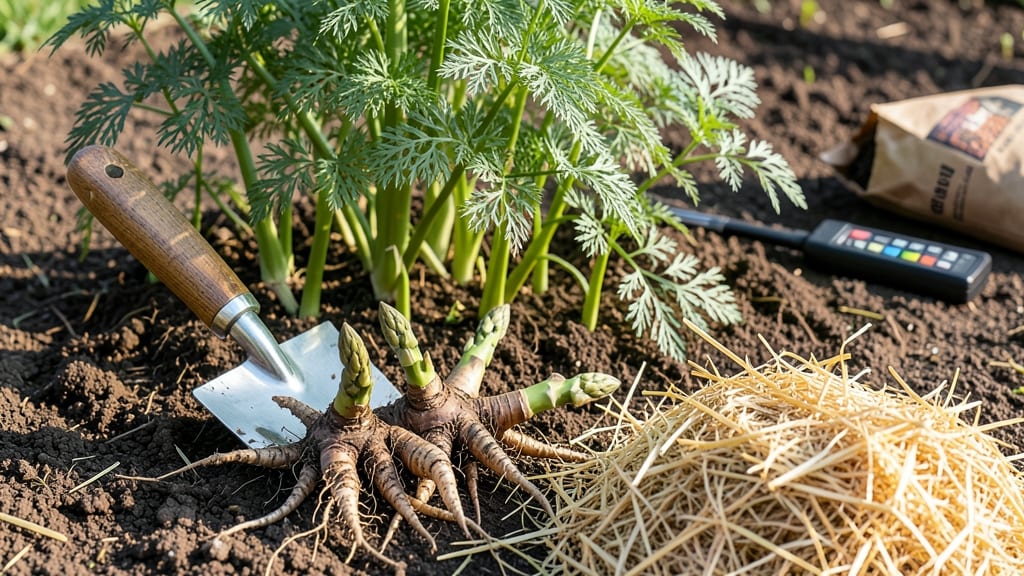
Timing your asparagus planting in Illinois can make or break your harvest—because those thick, juicy spears won’t appear for years if you plant too early or late.
Unlike annual veggies, asparagus crowns need 6-8 weeks in cool soil before the last frost to establish strong roots, and Illinois’ 5b-6b zones demand precision.
Most gardeners in Illinois rush to plant asparagus as soon as the ground thaws, but that’s a recipe for disappointment. The key is waiting until soil temperatures hit 50°F—usually 3-4 weeks before your last frost date—when roots can grow without freezing.
For northern Illinois, that’s often mid-March, while central and southern regions can start slightly earlier.
I’ve learned the hard way that planting too soon means weak roots and stunted growth, while waiting too long cuts your first harvest window short.
This guide will show you exactly when to plant, how to prep your soil for maximum success, and what to watch for in Illinois’ unpredictable spring weather.
Whether you’re a first-time gardener or a seasoned green thumb, getting this right means decades of homegrown asparagus—no waiting, no guesswork. Let’s get your crowns in the ground at the perfect time.
Best planting weeks before last frost in Illinois (zone 5-6 guide)
Asparagus thrives in Illinois’ USDA Zones 5b-6b, but planting too early or late can stunt root growth or invite frost damage. The perfect window is 3-4 weeks before your last spring frost, when soil temperatures hit 50°F (10°C)—ideal for crowns to establish roots before spears emerge.
Northern Illinois (e.g., Chicago area) typically plants in late March to early April, while Southern Illinois (e.g., St. Louis) can start 2-3 weeks earlier in mid-to-late March. Use the Illinois State Climatologist’s frost date maps to pinpoint your exact timeline.
For crown planting, aim for March 15–April 15 in most of Illinois. Seeds, however, require a longer germination window—start them indoors in February or direct-sow in April after all frost risk has passed.
Soil temperature is more critical than calendar dates. Use a soil thermometer to confirm 50°F (10°C) at 4-inch depth. Cold soil delays root growth, leading to weak first-year spears or even plant death.
Pro tip: Mulch heavily after planting to protect crowns from late spring frosts, which can blacken emerging shoots. Use straw or shredded leaves (3–4 inches thick) to insulate roots.
⚠️ Visual Comparison: Crown vs. Seed Planting Windows ⚠️
| Method | Best Planting Window (IL) | Soil Temp Requirement | Root Establishment Time |
|---|---|---|---|
| Crowns | Late March–Early April (3–4 wks before last frost) | 50°F (10°C) | 4–6 weeks |
| Seeds (Indoor Start) | February (transplant April) | 60°F (15°C) for germination | 8–10 weeks |
| Seeds (Direct Sow) | April (after last frost) | 65°F (18°C) | 10–12 weeks |
*Crowns yield spears sooner (2–3 years vs. 3–4 for seeds).
If you miss the spring window, fall planting is possible in Southern Illinois (Zones 6a–6b) but risky in the north. Plant 6–8 weeks before first frost (early September) to allow roots to establish before winter. Northern growers should skip fall planting—asparagus crowns struggle to survive Illinois’ harsh winters.
For container growing, plant crowns in large pots (18"+ deep) and move them to a garage or cold frame if frost threatens. Containers warm up faster than ground soil, so aim to plant 2 weeks earlier than in-ground timelines.
Track your local frost dates using the Old Farmer’s Almanac or Purdue Extension’s climate tools. Illinois’ last frost dates vary by 2–3 weeks across the state—don’t guess! Adjust your planting to match your microclimate.
Once planted, avoid harvesting spears in Year 1. Let the plant focus on root and crown development. In Year 2, harvest lightly (5–10 spears) to encourage growth. Full harvest begins in Year 3, when roots are fully established.
🌱
How to prepare Illinois soil for asparagus planting (critical for first-year success)
Asparagus thrives in well-draining, nutrient-rich soil with a slightly alkaline pH (6.5-7.5). Illinois’ clay-heavy soils often need amendments to meet these requirements, and skipping prep can lead to stunted roots or poor spear production. The key is testing your soil first—this simple step saves time and frustration later.
Start by testing your soil’s pH and organic matter using a home test kit or local extension service. Asparagus roots struggle in acidic soil, so aim for a pH between 6.5 and 7.5.
If your soil tests lower, add lime (calcium carbonate) 2-3 months before planting. For sandy soils, incorporate compost or well-rotted manure to improve water retention.
Next, focus on drainage. Asparagus crowns rot in soggy soil, so raise beds if your yard holds water. Mix in 2-3 inches of compost and 1-2 inches of coarse sand or perlite to loosen clay.
Avoid fresh manure—it can burn delicate roots. Work these amendments into the top 12 inches of soil where the crowns will sit.
| Soil Issue | Illinois-Specific Fix | When to Apply |
|---|---|---|
| Low pH (<6.0) | Pelletized lime (5 lbs per 100 sq ft) | Fall (3 months before planting) |
| Clay Soil (Poor Drainage) | Compost + coarse sand (50/50 mix) | Spring (before planting) |
| Low Organic Matter | Well-rotted manure or compost (2-3 inches) | Fall or early spring |
| Compacted Soil | Gypsum (10 lbs per 100 sq ft) | Fall (6 months before planting) |
After amending, create a raised bed or trench for your asparagus. Plant crowns in a 6-inch-deep trench filled with amended soil—this mimics their natural woodland habitat. Space trenches 18 inches apart to allow airflow and future harvesting.
Mulch with straw or wood chips to retain moisture and suppress weeds, but keep mulch 3 inches away from crowns to prevent rot.
Finally, fertilize lightly at planting with a balanced 5-10-10 fertilizer (1 cup per 10 sq ft). Avoid high-nitrogen fertilizers—they encourage leafy growth at the expense of spears. In early spring of the second year, apply a low-nitrogen, high-phosphorus fertilizer (like 0-10-10) to boost root development.
This timing ensures your asparagus focuses on spear production rather than foliage.
With the right soil prep, your asparagus will establish strong roots by year 2, rewarding you with thick, tender spears for decades. The upfront work pays off—skipping these steps often means thinner harvests or failed plants in Illinois’ variable climate. 🌱