
Plants
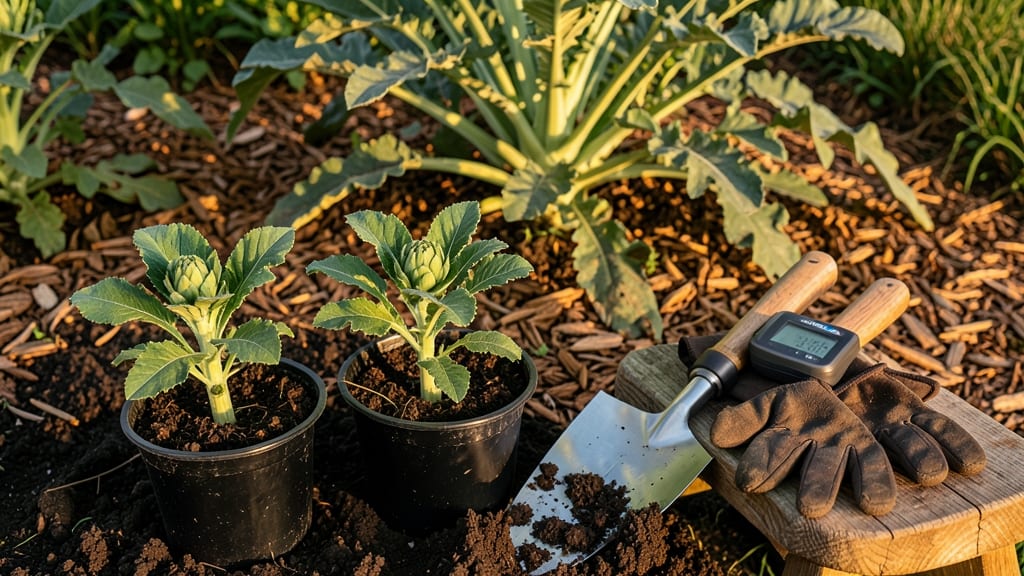
If you're dreaming of homegrown artichokes in Zone 7, when to plant artichokes in zone 7 is the first question—and getting it wrong could mean no harvest at all.
The perfect planting window starts 6-8 weeks before your last frost date, typically between late February and early March, when soil temperatures hit at least 60°F. This is your golden opportunity to give those 🌿 artichoke plants the head start they need to thrive.
Zone 7’s mild climate makes it ideal for artichokes, but local microclimates—like the cooler Piedmont or warmer coastal areas—can shift those critical weeks by up to 10 days.
Whether you're in Virginia or North Carolina, knowing your exact last frost date (usually around March 15) is the key to avoiding frost damage or stunted growth.
Beyond the calendar, soil prep and variety choice make all the difference. Rich, well-draining soil and frost-tolerant varieties like 'Green Globe' or 'Imperial Star' can push your harvest window later into summer.
I’ll show you how to time it right, from seed to table, so you’re picking plump, tender artichokes by May or June.
Ready to turn your garden into an artichoke oasis? Let’s break down the exact steps—plus pro tips—to ensure your plants grow strong, avoid common pitfalls, and reward you with a bountiful harvest. Your taste buds (and dinner table) will thank you!
Optimal planting weeks before last frost in Zone 7 for artichoke success
Zone 7 gardeners enjoy a 180-day frost-free season, perfect for growing artichokes—but timing is everything. Planting too early risks cold soil and stunted growth, while late planting may delay harvests until fall frosts.
The ideal window is 4-6 weeks before your last frost date, typically mid-February to early March in most of Zone 7.
For Northern Zone 7 (e.g., Virginia Piedmont), aim for late February to early March when soil temps hit 60°F. In Southern Zone 7 (e.g., Coastal North Carolina), you can start as early as mid-February, but monitor frost forecasts—unpredictable late frosts can still damage young plants.
🌱
If you miss the spring window, don’t despair—fall planting is possible in Zone 7’s milder areas. Plant 6-8 weeks before your first frost (typically late August to early September) for a late-winter harvest.
However, this requires frost protection like row covers or cold frames, as young plants won’t tolerate freezing temps.
For container growing, plant 2-3 weeks later than in-ground artichokes—pots warm up faster but also dry out quicker. Use 5-gallon containers with drainage holes and plant one artichoke per pot to avoid competition. Place containers in full sun and water daily during hot spells.
💧
Pro tip: Test your soil temperature with a soil thermometer—artichokes won’t germinate well below 60°F. If temps are too cool, wait 1-2 weeks or use a black plastic mulch to warm the soil faster.
In heavy clay soils (common in Piedmont Zone 7), amend with compost and sand to improve drainage—artichokes hate soggy roots.
Zone 7’s microclimates play a huge role. Coastal areas (e.g., Wilmington, NC) can plant 2 weeks earlier than inland spots like Charlottesville, VA, which experiences later frosts.
Use your local cooperative extension service for precise frost dates—even a 2-week difference can mean the difference between a bountiful harvest and a bitter disappointment.
🌡️
Optimal planting weeks before last frost in Zone 7 for artichoke success
Zone 7 gardeners have a narrow but critical window to plant artichokes—typically 4-6 weeks before your last frost date. For most of Zone 7 (including Virginia, North Carolina, and Georgia), this means planting between February 15 and March 15.
The exact timing depends on your microclimate—coastal areas may plant slightly later due to milder winters.
Artichokes need soil temperatures above 60°F to germinate properly. If you plant too early and temperatures dip, your seeds may rot. Use a soil thermometer to confirm readiness—this is especially important in Piedmont regions where nights can still be chilly.
| Planting Window | Zone 7 Regions | Soil Temp Requirement | Frost Risk |
|---|---|---|---|
| Early (Feb 15-March 1) | Piedmont, Inland | 60°F+ (use row covers) | Moderate (late frosts possible) |
| Ideal (March 1-15) | Coastal, Valleys | 65°F+ (optimal germination) | Low (after March 15) |
| Late (March 15-April 1) | All regions (emergency) | 70°F+ (use black plastic mulch) | None (post-last frost) |
For succession planting, you can make a second planting 6-8 weeks after your first to extend your harvest. However, artichokes need at least 120 days to mature, so time this carefully.
In Zone 7, a late-March planting will give you buds ready by mid-July, while an early-April planting risks harvests cutting off before fall.
If you're using starts instead of seeds, transplant them 2-3 weeks before your last frost when they're 4-6 inches tall. Harden them off first by placing them outdoors in protected spots during the day for 1 week before full transplant.
This gives them a head start and reduces transplant shock.
Pro tip: In Zone 7b and colder (northern parts), consider using row covers or a low tunnel to push your planting window earlier. This can add 2-3 weeks of frost protection, letting you plant as early as February 1 in sheltered microclimates.
Remember, artichokes are perennials in Zone 7—if you plant them correctly, they’ll return for 3-5 years with proper care. But get the timing wrong, and you’ll struggle with bitter buds or no harvest at all.
The key is balancing soil warmth, frost risk, and your local last frost date—check your USDA Plant Hardiness Zone Map for precise local data.