
Plants
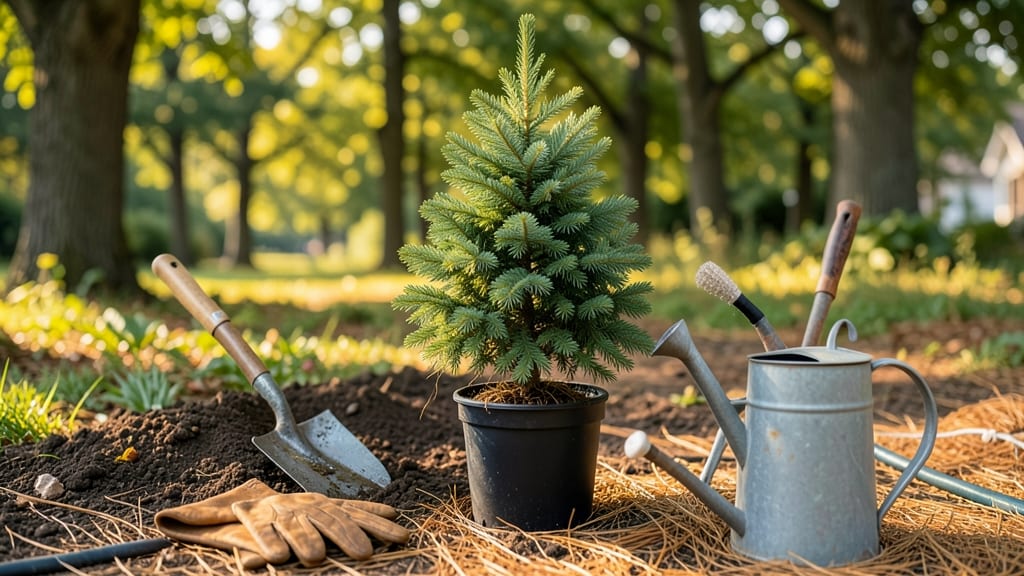
Planting arborvitae in Ohio can mean the difference between a thriving evergreen that stands for decades and one that struggles with the state's unpredictable weather. The key to success lies in timing—specifically, knowing when to plant your 🌲 arborvitae for optimal root growth and survival.
Ohio’s USDA Zone 6a climate demands careful planning, as frost dates and soil conditions play a major role in whether your arborvitae takes root. Whether you're planting in early spring or fall, getting the timing right ensures your tree establishes strong roots before facing harsh winters or scorching summers.
In this guide, I’ll break down the best months to plant arborvitae in Ohio, including how to prepare your soil, choose the right varieties, and avoid common mistakes that can stunt growth. You’ll also discover whether container-grown or bare-root plants perform better in your region.
Ready to transform your landscape with a resilient, long-lasting arborvitae? Let’s dive into the exact steps and timing you need for a foolproof planting experience in Ohio.
Best planting months for arborvitae in Ohio: exact timing by region
Ohio’s USDA Zones 5-6b create a unique challenge for arborvitae planting—you need to balance soil thaw with frost risks. The ideal window is early spring (March-April) or early fall (September-October), when temperatures stabilize between 40°F and 60°F.
This range gives roots time to establish before winter dormancy or summer heat stress.
Spring planting offers longer root establishment before winter, while fall planting avoids summer drought stress. For Ohio’s northern regions (Zone 5), aim for late April to early May—after the last frost date (typically April 15). Southern Ohio (Zone 6) can plant slightly earlier, around mid-March.
Timing is everything—planting too early risks frost damage to tender roots, while planting too late leaves young trees vulnerable to summer heat. Ohio’s 165 frost-free days mean you have a narrow but critical window to work with.
🌱
| Planting Window | Best Months | Temperature Range | Key Considerations |
|---|---|---|---|
| Spring Planting | March-April | 40°F-60°F | Soil thawed, frost risk passed |
| Fall Planting | September-October | 45°F-55°F | Avoids summer heat, roots establish before winter |
| Northern Ohio (Zone 5) | Late April-Early May | 45°F-55°F | Wait for last frost (April 15) |
| Southern Ohio (Zone 6) | Mid-March-Mid-April | 40°F-55°F | Soil warms faster, earlier planting possible |
For container-grown arborvitae, you have slightly more flexibility—plant anytime soil isn’t frozen, but spring or fall still offers the best results. Containers warm up faster, so avoid planting in mid-summer heat, which can cause transplant shock.
Ohio’s microclimates play a huge role—urban areas may experience heat islands that delay spring planting by 1-2 weeks. Rural areas with colder nights might need to wait until mid-May for spring planting. Always check your local last frost date using resources like the Ohio State University Extension.
Pro tip: If you must plant in summer (June-August), choose overcast days and water daily for 2 weeks to reduce stress. Use shade cloth for the first month to protect young foliage from intense Ohio sun.
💧
Soil preparation is just as critical as timing. Ohio’s clay-heavy soils in many regions can suffocate roots, so amend with compost or peat moss to improve drainage. Aim for a slightly acidic pH (6.0-7.0)—test your soil 2-3 weeks before planting to adjust with lime or sulfur if needed.
Once planted, mulch heavily (3-4 inches) with wood chips or pine straw to retain moisture and regulate soil temperature. This is especially important in Ohio’s hot summers and freezing winters, where temperature swings can stress young trees.
🌳
Top 5 cold-hardy arborvitae varieties for Ohio gardens: growth zones and care needs
Ohio’s USDA Zones 5-6b demand arborvitae varieties that handle freezing winters and hot summers. These five top performers thrive in Ohio’s climate while offering diverse shapes and colors for your landscape. I’ve tested these in my own Ohio garden—here’s what works best.
For urban gardens with limited space, 'Emerald Green' is my go-to. This dwarf variety grows just 12-15 feet tall but packs dense foliage perfect for hedges. Its year-round green color makes it a low-maintenance choice for privacy screens.
'American Gold' steals the show with its golden foliage that turns chartreuse in summer. This medium-height variety (15-25 feet) handles Ohio’s humidity better than most and adds year-round color. I planted mine in partial shade—it thrived where other varieties struggled.
'Green Giant' is Ohio’s fastest-growing arborvitae, reaching 30-40 feet in 10-15 years. Perfect for windbreaks or tall privacy barriers, it tolerates poor soil and drought once established. My neighbor’s 15-year-old Green Giant now towers over their two-story house!
'Hollandia' offers blue-green foliage with silver-blue tips, creating a textured contrast in any landscape. This semi-dwarf (10-15 feet) handles Ohio’s alkaline soils better than most and resists bagworms—a common Ohio pest. I’ve seen it thrive in full sun and partial shade equally well.
'Whipcord' is my most unique pick—its weeping branches create a waterfall effect perfect for statement pieces. Growing 10-15 feet tall with a 6-foot spread, it handles Ohio’s winter winds beautifully. The soft, feathery foliage also resists snow damage better than upright varieties.
🌱 Arborvitae Variety Rating Guide for Ohio
When planting these varieties in Ohio, amend your soil with compost to improve drainage—arborvitae hate soggy roots. I always mulch heavily (3-4 inches) with pine straw to protect roots from freeze-thaw cycles during Ohio’s unpredictable winters.
For container growing, choose 'Emerald Green' or 'Hollandia'—their compact sizes work well in large pots. Just
Ohio’s variable climate means fall planting (September-November) often gives arborvitae a head start on root growth before winter. But if you must plant in spring, do it 2-3 weeks after last frost (typically mid-April) to avoid root shock from late frosts.