
Trees
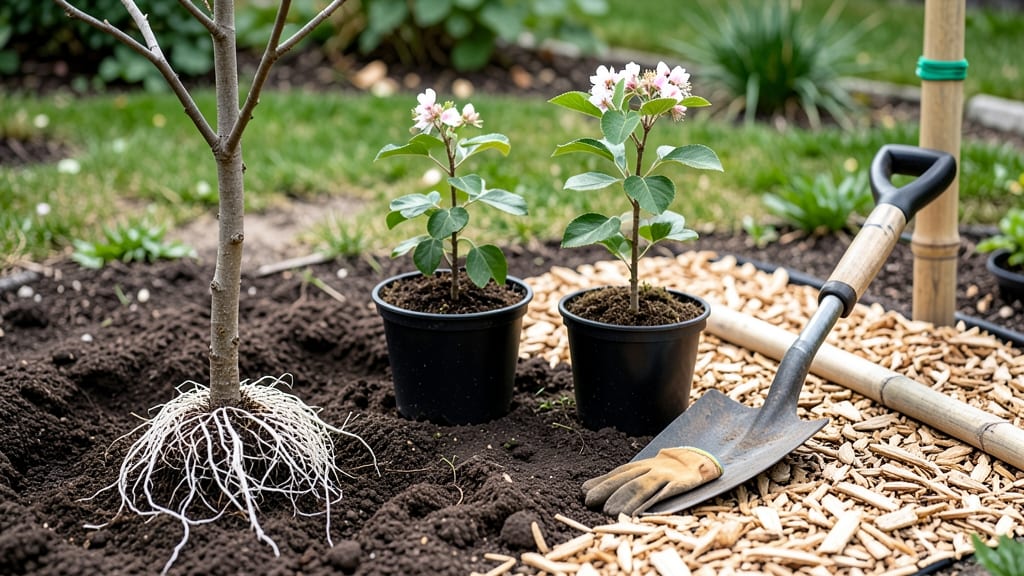
Timing your 🍎 apple tree planting in Oregon could mean the difference between a thriving orchard and a sad pile of frost-killed saplings. With the state’s 7b-9a zones offering diverse microclimates, getting the window right—whether it’s late winter or fall—isn’t just guesswork, it’s science.
The key is understanding Oregon’s tricky balance: plant too early, and a late frost will nip your young trees in the bud; too late, and they won’t root before winter’s chill sets in.
Luckily, I’ve dug into the data to break down the exact months that work best for your region, plus the cold-hardy varieties that’ll survive Oregon’s famously unpredictable weather.
You’ll discover why September-October is the sweet spot for most gardeners, how to prep your soil for Oregon’s acidic conditions, and which apple types—like ‘Granny Smith’ or ‘Honeycrisp’—thrive in your specific zone. Let’s get your orchard off to the right start.
From bare-root planting to container-grown trees, I’ll walk you through the critical steps to ensure your apple trees not only survive but flourish, no matter where you are in the state. Ready to plant with confidence?
Best months to plant apple trees in Oregon by climate Zone
Oregon’s diverse climate means planting windows vary dramatically between Western Oregon’s mild winters and Eastern Oregon’s harsh winters.
In the Willamette Valley (Zone 8-9), you can plant as late as November without frost risk, while Bend (Zone 6) or La Grande (Zone 7) demand fall planting by October to avoid winter dieback.
Timing also depends on whether you’re planting bare-root saplings or container-grown trees—each has unique soil temperature requirements.
Bare-root trees thrive when planted in late winter or early spring (February–April) before buds swell, while container-grown trees offer year-round flexibility—except during frost. Soil temperatures below 40°F (4°C) can shock roots, so wait until ground thaws in spring or plant in fall before first frost.
Oregon’s last frost dates range from March 10 (Portland) to March 20 (Medford), so adjust accordingly.
🌱 Oregon’s Planting Windows by Region
| Region | USDA Zone | Best Planting Months | Soil Temp Threshold | Frost Risk |
|---|---|---|---|---|
| Western Oregon (Portland, Eugene) | 8-9 | September–November (fall) or February–April (spring) | 45°F+ (7°C+) | Low (last frost: March 10–15) |
| Willamette Valley | 8a-9a | September–October (fall) or March–April (spring) | 40°F+ (4°C+) | Moderate (last frost: March 15) |
| Eastern Oregon (Bend, La Grande) | 6-7 | September–October (fall only) | 40°F+ (4°C+) | High (first frost: November 1–15) |
| Southern Oregon (Medford, Ashland) | 8a-9a | September–November (fall) or March–April (spring) | 50°F+ (10°C+) | Low (last frost: March 20) |
For bare-root trees, prioritize late winter planting (February–March) to give roots time to establish before Oregon’s spring rains. Container-grown trees, however, can handle fall planting until November in milder zones like Portland or Eugene.
The key is ensuring 6–8 weeks of root growth before winter dormancy—so plant early enough to avoid stunted growth.
Oregon’s acidic soils (pH 5.0–6.5) can stress young apple trees, so amend soil with lime (if pH < 6.0) or compost before planting. Test soil 4–6 weeks before planting to adjust nutrients.
In Eastern Oregon’s drier climates, mulch heavily to retain moisture, while Western Oregon’s wet winters may require raised beds for drainage.
If you miss the fall window, don’t panic—spring planting (March–April) still works if you water deeply weekly and protect from late frosts with frost cloth. Just avoid planting in summer (June–August), as Oregon’s heat stress young roots and attracts pests like codling moths.
Pro tip: Plant on a cloudy day to reduce transplant shock, and water thoroughly at planting to eliminate air pockets. For dwarf varieties, dig a hole twice as wide as the root ball to encourage root spread—critical in Oregon’s compacted soils.
🌿 Key Takeaway: Western Oregon’s mild climate gives you flexibility (fall or spring), while Eastern Oregon demands fall-only planting. Always check local frost dates and soil conditions—Oregon’s microclimates can vary by just 20 miles!
Best months to plant apple trees in Oregon by climate Zone
Oregon’s diverse climate—from the mild coastal regions to the harsh inland valleys—means planting windows vary dramatically. In Western Oregon (USDA Zones 8-9), like Portland or Eugene, you can plant as early as late February or as late as October, thanks to milder winters.
Meanwhile, Eastern Oregon (Zones 5-7), including Bend or La Grande, demands a narrower window to avoid late spring frosts that can devastate young trees.
The Willamette Valley, Oregon’s apple-growing heartland, offers the most flexibility, with September and October being ideal for bare-root saplings. These months provide warm soil and cool nights, perfect for root establishment before winter dormancy.
For container-grown trees, however, you can plant year-round—except during frost—since their roots aren’t exposed to cold stress.
Soil temperature is your best guide: aim for 40°F (4°C) or warmer at a 6-inch depth. In Eastern Oregon, wait until late April or early May to avoid frost damage to emerging buds. Use a soil thermometer to confirm—this small tool can save your investment!
| Region | Best Planting Window | Soil Temp Threshold | Key Risk |
|---|---|---|---|
| Western Oregon (Portland, Eugene) | Late Feb–April or September–October |
40°F+ (4°C+) | Mild frost in early spring |
| Willamette Valley (Salem, Corvallis) | September–October (ideal) March–April (bare-root) |
45°F+ (7°C+) | Late-season rain (root rot risk) |
| Eastern Oregon (Bend, La Grande) | Late April–May or September |
50°F+ (10°C+) | Late spring frosts (Zone 5-6) |
*Bare-root trees require faster planting than container-grown varieties.
Pro tip: Container-grown apple trees are far more forgiving—they adapt to warmer soil faster and can even be planted in late fall (November) if your region’s first frost is after November 15.
Just mulch heavily to insulate roots. For bare-root saplings, though, time is critical: plant within 24 hours of purchase to prevent root desiccation.
Oregon’s wet winters also play a role. Planting in fall (September–October) lets roots establish before winter rains, reducing root rot risks.
If you’re in Zone 8 or 9, you might even squeeze in a late winter planting (February), but monitor frost forecasts closely—just one night below 28°F (-2°C) can kill tender new growth.
Always check your local last-frost date (e.g., March 10 in Portland, March 20 in Medford) and plan to plant 4–6 weeks before to give roots time to anchor. For Eastern Oregon, add 2 extra weeks to your buffer—those mountains don’t joke about frost!