
Trees
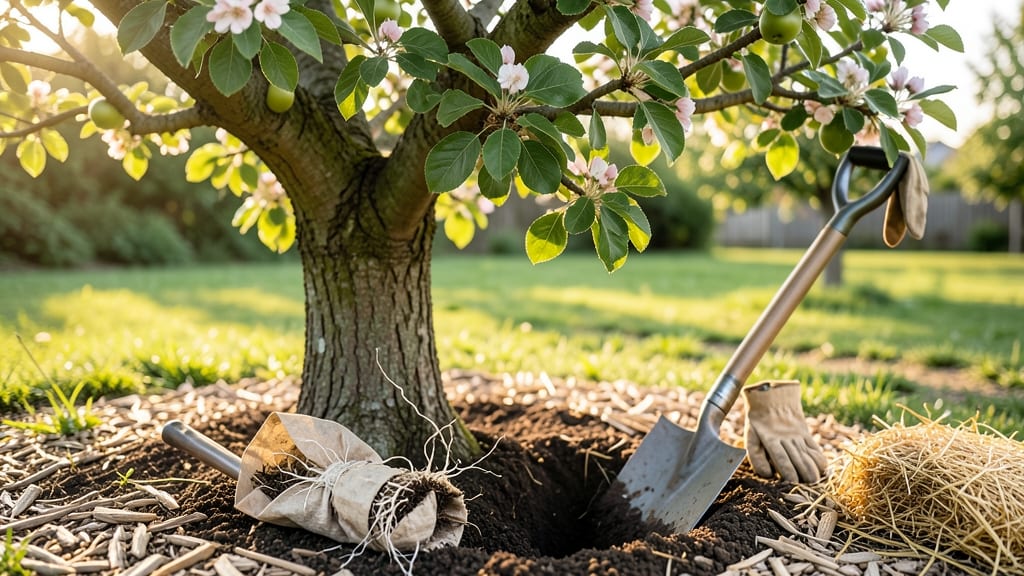
Planting an apple tree 🍎 in England at the wrong time could mean weak roots, stunted growth—or even tree failure. The secret to success lies in understanding your region’s climate, from Cornwall’s milder winters to London’s frost risks.
Most gardeners know spring is ideal, but late autumn (November-January) works just as well for bare-root trees. This timing gives roots time to establish before winter dormancy kicks in, setting your tree up for a stronger harvest in years to come.
Whether you’re in USDA Zone 7 (like London) or Zone 9 (like Cornwall), the right planting window makes all the difference. I’ll break down exactly when to plant, how to prep your soil, and what to avoid—so you can grow thriving trees that produce fruit for decades.
Ready to get started? Let’s dive into the best months for your region and the critical steps to ensure your apple tree thrives.
Best planting months for apple trees in England by chill-hour requirements
Apple trees thrive when planted during their dormant season, which aligns with England’s cooler months. Most varieties need 300-1,200 chill hours—a critical factor for bud formation. In England, this typically means planting between November and March, when trees are naturally inactive and less stressed.
The ideal window is late autumn (November-January) for bare-root trees or early spring (March-April) for container-grown trees. This timing ensures roots establish before active growth begins, reducing transplant shock and frost damage risks.
Chill-hour requirements vary by variety. For example, Cox’s Orange Pippin needs 800-1,000 hours, while Discovery (a modern variety) thrives with 300-500 hours. Matching your region’s chill hours to the tree’s needs is key to successful fruiting.
England’s climate zones—from mild Cornwall (USDA Zone 9) to colder Yorkshire (Zone 7)—influence planting timing. In warmer southern regions, early autumn planting (September-October) can work, but northern areas benefit from waiting until late winter to avoid early frosts.
Here’s a quick guide to chill-hour needs and their impact on planting:
| Variety | Chill-Hour Needs | Best Planting Window | Notes |
|---|---|---|---|
| Braeburn | 800-1,000 hrs | November-January (bare-root) or March-April (container) | Popular in cooler regions; needs winter chill. |
| Cox’s Orange Pippin | 800-1,000 hrs | Late autumn (November-December) or early spring | Traditional English variety; sensitive to late frosts. |
| Discovery | 300-500 hrs | March-April (avoid autumn planting in cold zones) | Low-chill; ideal for milder areas like Cornwall. |
| Fuji | 500-700 hrs | November-January or March-April | Moderate chill needs; good for transitional zones. |
| Greening | 1,000-1,200 hrs | Late autumn (bare-root only) | High-chill; best for northern England. |
For container-grown trees, early spring (March-April) is safest, as roots are already established. Bare-root trees, however, must be planted while dormant—typically between November and January—to minimize stress. Soak roots in water for 1-2 hours before planting to revive them.
Soil temperature matters too. Aim for 5-10°C (41-50°F) at planting time. In southern England, this might mean planting as early as October, while northern regions should wait until February-March to avoid frost.
Always check the last frost date for your area. In London (Zone 8), this is around mid-February, while Edinburgh (Zone 7) can see frost until late April. Planting too early risks root damage from unexpected cold snaps.
Pro tip: If you miss the autumn window, don’t panic—early spring planting still works well. Just ensure the tree is watered thoroughly after planting and mulched heavily to protect roots during winter.
Regional planting timelines: when to plant in England’s coolest vs. warmest areas
England’s diverse climate means planting times vary dramatically from Cornwall’s mild winters to Yorkshire’s frosty conditions. In warmer regions like Devon or Cornwall, you can plant container-grown apple trees as late as April or even early May, thanks to their slower soil cooling.
However, in colder zones like the Lake District or Scottish Borders, aim for November to early March to avoid frost heaving—when soil freezes and thaws repeatedly, damaging young roots.
For bare-root trees, winter planting (November-January) is ideal across all regions because the tree is dormant, reducing transplant shock.
In milder coastal areas, you might extend this window until February, but avoid planting after the last frost date in your area—typically mid-March in London or late February in Cornwall. Always check your local Met Office frost forecasts to time it perfectly.
Soil temperature is your secret weapon. Use a soil thermometer to confirm it’s above 10°C (50°F) before planting container-grown trees in spring. In warmer southern England, this happens by early March, while in northern regions, you may need to wait until April. Cooler soils delay root growth, leaving young trees vulnerable to stress.
| Region | Best Planting Window | Soil Temp Threshold | Key Risk |
|---|---|---|---|
| Southwest (Cornwall, Devon) | November–March or April–May (containers) | 10°C (50°F) | Late frosts (March) |
| Southeast (London, Kent) | November–February or March–April | 8°C (46°F) | Frost heaving (Jan–Feb) |
| Northwest (Lancashire, Cumbria) | November–January or April | 7°C (45°F) | Prolonged cold snaps |
| Scotland/Northern England | November–January only | 5°C (41°F) | Late snow cover |
Container-grown trees offer flexibility for late planting—even up to June in mild areas—but prioritize well-draining soil and regular watering to compensate for slower root establishment. In heavier clay soils (common in the Midlands), consider raised beds or adding organic matter like compost to improve drainage before planting.
If you’re in a transition zone (e.g., East Anglia or the West Midlands), err on the side of earlier plantingunpredictable frost patterns, and a late April planting could still face frost damage if temperatures drop unexpectedly.
Always monitor local weather patterns for the past 5 years to anticipate risks in your specific microclimate.
Pro tip: Plant dwarf or semi-dwarf varieties (like ‘Discovery’ or ‘Cox’s Orange Pippin’) in cooler regions—they establish faster and fruit sooner, giving you a harvest even in less-than-ideal conditions.
Pair them with a windbreak hedge to protect young trees from chilling winds that can stress roots in exposed areas.