
Plants
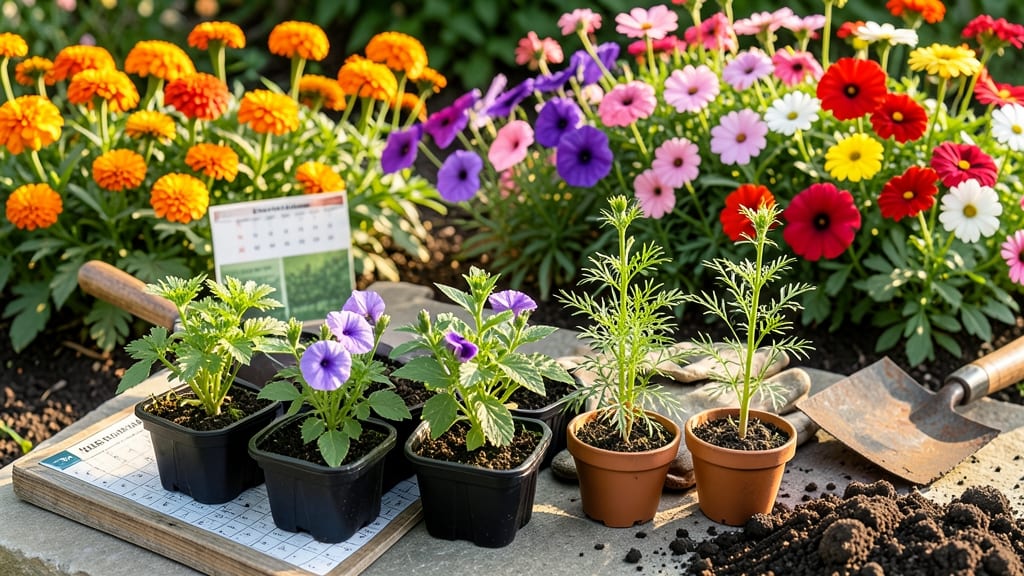
When to plant annuals in Virginia means the difference between a garden bursting with 🌸 color and one that fizzles out before summer even begins. With frost dates shifting from coastal Norfolk to the Piedmont’s Roanoke, there’s no one-size-fits-all answer—but getting it right unlocks 6 months of effortless blooms.
Most gardeners in USDA zones 6a-8a rush to plant between March 15 and May 15, but that window shrinks in mountain valleys or expands near the coast.
Heat-loving tropicals like hibiscus need to wait until soil warms to 60°F, while cool-season snapdragons can handle an early start. The key? Knowing your microclimate.
Whether you’re filling containers or tilling in-ground beds, this guide cuts through the guesswork. I’ll break down exact deadlines for Virginia’s most popular annuals, plus how to tweak your schedule for urban heat islands or late frosts. No more second-guessing—just vibrant gardens from spring to fall.
Ready to turn your yard into a nonstop show? Let’s dive into the precise timing that’ll keep your annuals thriving all season long.
Virginia’s annual planting zones: when to plant based on last frost dates
Virginia’s USDA hardiness zones 5a-8a create a mosaic of planting windows, where a Norfolk gardener might plant zinnias in early April, while a Roanoke gardener waits until mid-May. The key?
Your last average frost date—the moment after which you can safely plant frost-sensitive annuals like impatiens and petunias. But here’s the catch: Virginia’s microclimates can shift these dates by 2-4 weeks, so local knowledge matters.
For most of Virginia, the last frost date falls between March 15 and April 30, but coastal areas like Virginia Beach often see their last frost by March 1, while higher elevations near Blacksburg may wait until May 15.
Warm-season annuals like tomatoes and peppers need even warmer soil—aim for 60°F or above—which typically means waiting until May 1 in most regions.
🌱
| Region/Zones | Last Frost Date | Safe Planting Window | Best Annuals |
|---|---|---|---|
| Coastal (5a-6a): Norfolk, Virginia Beach | March 1 – March 15 | March 15 – April 15 | Pansies, Snapdragons, Calendula |
| Tidewater/Piedmont (6b-7a): Richmond, Petersburg | March 15 – April 1 | April 1 – April 30 | Petunias, Marigolds, Zinnias |
| Valley (7a-7b): Roanoke, Lynchburg | April 15 – May 1 | May 1 – May 15 | Sunflowers, Basil, Okra |
| Mountains (6a-6b): Blacksburg, Abingdon | May 1 – May 15 | May 15 – June 1 | Coleus, Sweet Potatoes, Swiss Chard |
🌡️ Pro Tip: Use a frost date tracker like the National Weather Service or Almanac for your exact location.
If you’re planting cool-season annuals like lettuce or spinach, you can start 4-6 weeks before your last frost date. For example, in Richmond (Zone 7a), that means sowing seeds by February 15.
But for warm-season crops, wait until the soil warms—use a soil thermometer to confirm 60°F+ before planting tomatoes or peppers.
For fall planting, aim for August 1–September 15, giving your annuals 6-8 weeks of growth before the first frost. Cosmos and zinnias thrive in fall’s cooler temps, while marigolds can handle light frosts.
Always check your first frost date—most of Virginia sees frost by October 20–November 15, with higher elevations freezing earlier.
🌿
One common mistake? Planting tender annuals too early in urban heat islands (like downtown Alexandria), where concrete retains heat and can stress plants. Conversely, mountain valleys like Staunton may have late spring frosts in May.
To hedge your bets, use row covers for 2-3 weeks after planting to protect seedlings from unexpected cold snaps.
For container gardening, your planting window shrinks—containers warm up faster but also dry out quicker.
Start potted annuals indoors by March 1 (for coastal areas) or April 1 (inland) to ensure they’re ready for May transplanting. Herbs like basil and vegetables like peppers benefit from this early start, as they need 100+ frost-free days to mature.
🌱
Need a quick reference? Bookmark these Virginia-specific deadlines:
- Coastal zones (5a-6a): Plant by April 15 for summer blooms.
- Piedmont (6b-7a): Aim for April 30–May 15.
- Mountains (6a-6b): Wait until after May 15.
By aligning your planting with these local frost dates, you’ll avoid the heartbreak of frost-nipped petunias and maximize your annuals’ bloom time.
Next, we’ll dive into how to adjust for Virginia’s urban heat islands, mountain microclimates, and coastal breezes—because even within a single county, your neighbors might be planting weeks apart!
How to adjust planting for Virginia’s microclimates (urban heat islands, mountain valleys, and coastal areas)
Virginia’s geography creates unique microclimates that can shift your planting window by 3-4 weeks. Urban areas like Richmond bake faster, while mountain valleys near Roanoke stay cooler longer.
Even coastal Norfolk experiences late frosts in April. Understanding these differences helps you avoid frost damage or heat stress in your annuals.
For example, heat-loving zinnias can go into the ground in early April in urban heat islands, but wait until mid-May in mountain valleys. Meanwhile, coastal areas often see frosts until April 30, delaying planting for frost-sensitive plants like impatiens by 2-3 weeks compared to inland zones.
🌡️ Key Adjustments:
- Urban Heat Islands (cities): Plant 2-3 weeks earlier (soil warms faster).
- Mountain Valleys (Roanoke, Blacksburg): Wait until after May 15 (cooler nights).
- Coastal Areas (Norfolk, Virginia Beach): Monitor late April frosts (plant after April 30).
- Elevated Gardens (balconies, rooftops): Use row covers to extend spring/fall seasons.
To assess your microclimate, observe 3 key factors:
- Sun exposure (urban areas get 10% more sun than valleys).
- Wind patterns (coastal areas have salty winds that delay planting).
- Soil warmth (use a soil thermometer—wait until 60°F for warm-season annuals).
For container gardening, adjust timing by 1 week earlier (pots heat up faster). If you’re unsure, use biodegradable pots to transplant seedlings without disturbing roots when conditions improve.
My go-to trick? Start heat-loving annuals like sunflowers in pots indoors in March and move them outside after the last frost.
Pro tip: Track local frost dates using the Virginia State Climate Office or apps like Old Farmer’s Almanac. These tools provide hyper-local adjustments—critical for Virginia’s 100-mile frost variations. With the right timing, you’ll enjoy longer blooms and healthier plants all season! 🌸